Wolf Attack on Woman in Hamburg Sparks Debate
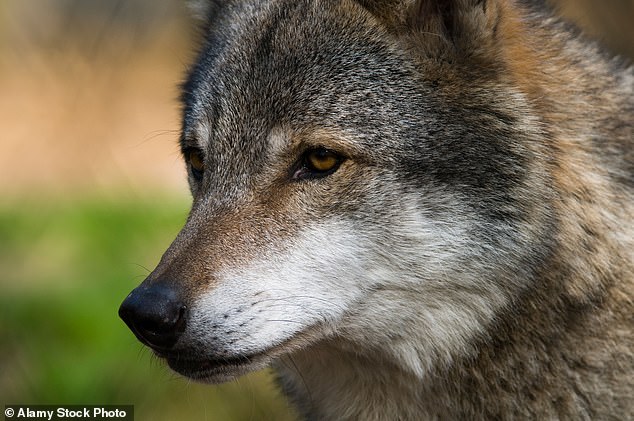
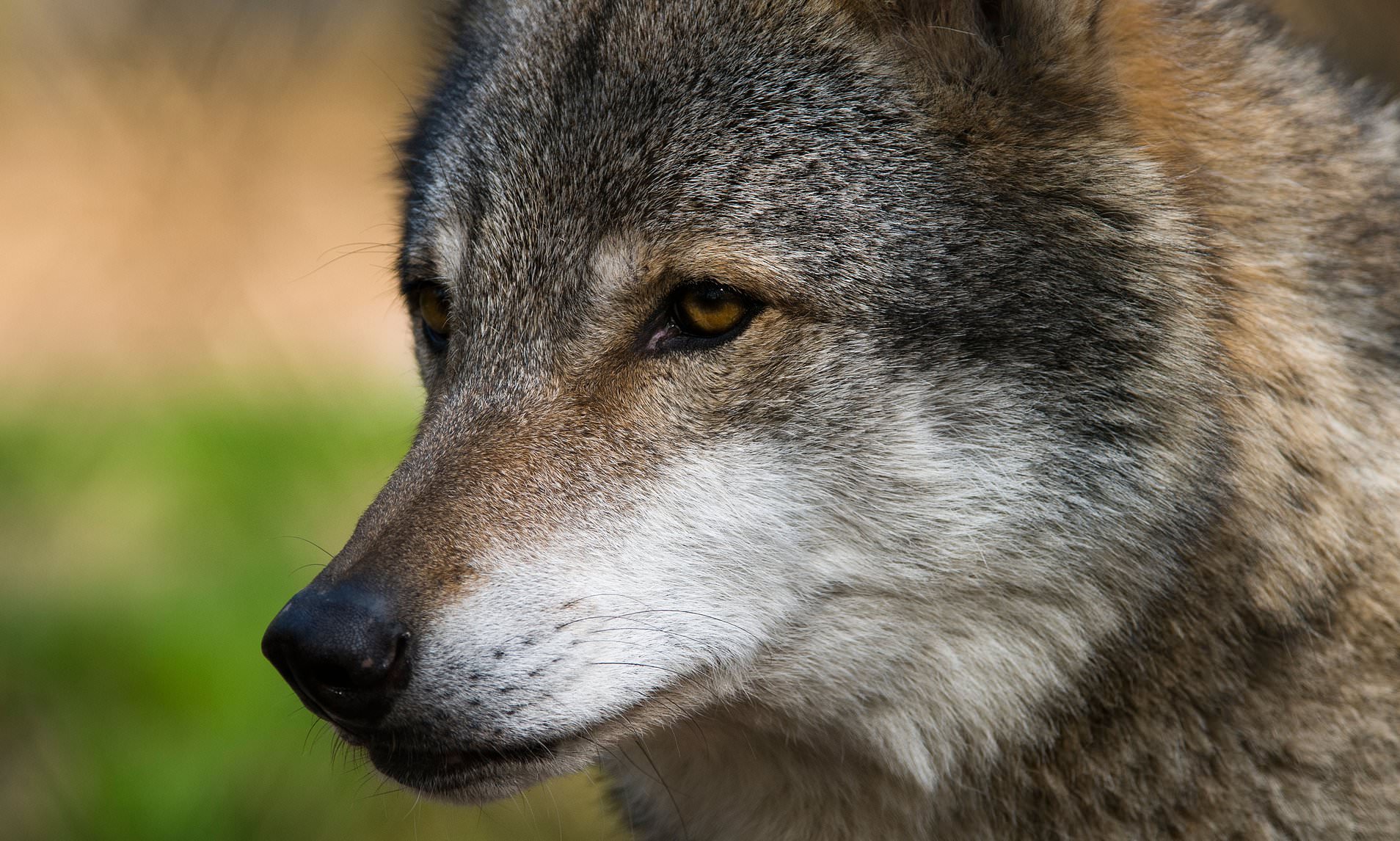
A shocking incident occurred in Hamburg, Germany, when a wolf bit a woman’s face on a busy shopping street. This is believed to be the first attack of its kind since wolves returned to the country in 1998. The incident took place near an Ikea store on Grosse Bergstrasse, close to Altona station, on Monday evening.
The woman was rushed to the hospital following the attack. On the same evening, police managed to pull the wolf from Binnenalster lake in the city’s downtown area using a rope. It was then taken to an enclosure on the outskirts of Hamburg.
Experts suggest that the wolf is likely a young individual searching for its own territory and may have accidentally wandered into the city. This event has raised concerns about the coexistence of humans and wolves in urban areas.
Germany’s Federal Agency for Nature Conservation stated that this is the first known attack by a wild wolf on a human since the animals reappeared after a nearly 30-year absence. This marks a significant shift in the relationship between wildlife and urban environments.
Changes in Wolf Protection Status
Last year, the European Parliament voted to change the status of wolves from ‘strictly protected’ to ‘protected’ as attacks on livestock increased. This decision reflects the growing challenges faced by farmers and the need for a balanced approach to wildlife management.
In response to these challenges, Germany’s parliament approved legislation last week that makes it easier to shoot wolves that kill or wound livestock. Animal protection groups opposed the draft law, but it was passed with support from the centre-right governing coalition and the far-right Alternativ für Deutschland.
Hermann Färber, a member of the Christian Democratic Union (CDU) party, emphasized the need for better protection for livestock. He stated, “The suffering of grazing animals, which are often killed in the bloodlust of wolves, no longer has anything to do with animal welfare.”
Historical Context and Recent Incidents
In 2022, a wolf killed Ursula von der Leyen’s pony, Dolly, near Hanover. This incident prompted the EU Commission president to call for a review of wolves’ protection status, which was later downgraded.
According to the International Wolf Center, wolves were once celebrated as a sensation in the early 2000s but have now become a normality in many parts of Germany. Wolf families can be found in eastern Germany, with the total population estimated between 500 and 1,000.
An official study last year found 219 wolf packs across the country, highlighting the successful return of wolves to their natural habitats. However, this resurgence has also led to increased conflicts with humans, particularly in agricultural areas.
Impact on Livestock and Future Challenges
Government statistics reveal that around 4,300 farm animals were killed or injured by wolves in Germany in 2024. This figure underscores the ongoing challenges faced by farmers and the need for effective management strategies.
The recent wolf attack in Hamburg has sparked renewed debate about how to balance the conservation of wolves with the protection of livestock and human safety. As wolf populations continue to grow, it is essential to find sustainable solutions that benefit both wildlife and communities.