Aussie families are rethinking their Easter traditions as rising fuel and chocolate prices put pressure on budgets. The spike in fuel costs driven by the war in the Middle East has meant many families are opting to stick closer to home this long weekend.
Lithgow dad Chris Wade said Easter was going to look a little bit different for his family this year. They usually travel to visit family on the Central Coast over the holidays, but now are rethinking these plans given closures on the Great Western Highway and higher fuel costs.
“There was already going to be some heavier, congested traffic to do the travelling on. Now, you throw the fuel prices on it as well … if we don’t have to travel, we’re not going to travel,” Wade told Yahoo Finance.
RELATED
Aussie drivers warned over expensive EV ‘lesson’ as fuel crisis accelerates demand
Calls for Bunnings, Kmart, McDonald’s and others to be included in cash mandate
Young workers to get pay boost as major ruling abolishes ‘junior’ rates
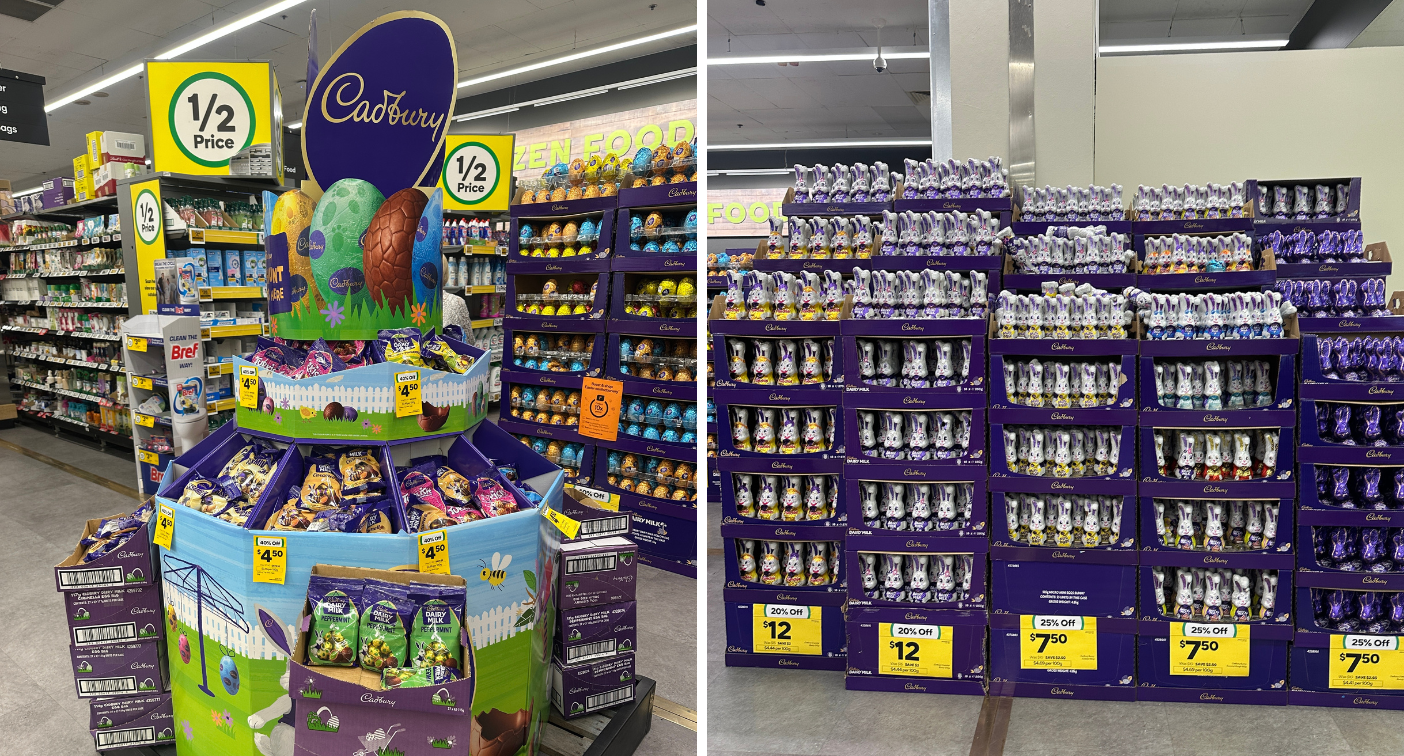
High chocolate prices mean Wade is also planning to cut back on treats for his two kids, aged 10 and 13, this year.
“They’ll still get a visit from the Easter Bunny, but it’ll be a bit more limited. We’ll be focusing more on lollies or clothing or pyjamas and things like that,” he said.
Wade said he’d noticed chocolate prices had gone “absolutely crazy” this year, and he feels like what was once an affordable treat has now become a “burden” for many households.
“It’s hard to watch when there’s the cost-of-living crisis hitting a lot of families,” Wade, who is the club manager of PCYC Lithgow, said.
“Unfortunately, then it’s going to be a case of activities or the recreational activities for some of these kids may stop happening because families are stretching every dollar they possibly can to purchase food or do these Easter traditions.”
Do you have a story to share? Contact [email protected]
New research from the Tourism and Transport Forum collected between March 26 and 29 found 41 per cent of Aussies had cancelled or scaled back Easter travel, with some choosing holidays closer to home, and others shortening trips or cancelling them altogether.
“Australians are watching the current environment closely and adjusting their plans in real time,” TTF CEO Margy Osmond said.
The tourism sector is hoping the decision to halve the fuel excise this week will encourage more Aussies to go ahead with their Easter travel plans, but Osmond said we would have to see over the coming days how much the move shifts behaviour.
Cocoa prices drop, but Easter chocolate remains expensive
Cocoa prices have plummeted this year, but that doesn’t mean Aussies will be able to find cheaper chocolate on supermarket shelves this Easter.
Cocoa prices peaked at $US12,000 per tonne in 2024 due to supply shortages in West Africa, where around 60 per cent of the world’s cocoa is produced. But prices have since dropped back to around $US3,000 and $US4,000 per tonne.
However, ANZ executive director food, beverage and agribusiness, Michael Whitehead, noted the cocoa used in Easter eggs on shelves today was typically purchased by manufacturers and processors six to 12 months ago.
“To manage risk, manufacturers hedge and lock in cocoa supplies well in advance – particularly for highly seasonal events like Easter, where production runs are planned months ahead. The result is that today’s retail prices are largely still reflecting yesterday’s cocoa market,” he wrote.
Cocoa is also only one part of the cost of an Easter egg, accounting for roughly 10 to 20 per cent of the retail price of a typical milk chocolate Easter treat. The rest comes from sugar, dairy, packaging, energy, labour, transport, retail and margins.
Wade said he understands higher cocoa prices are a factor in current Easter chocolate prices, but he would like to see greater transparency around how prices are set.
He recently started a Change.org petition calling for an investigation into pricing strategies and wants to ensure both consumers and businesses benefit from fair pricing strategies.
“Companies need to cover overheads and pay wages and keep people employed, but when you hear about the record profits that some of these companies also have, which returns a good equity back to their investors and shareholders, it seems like it’s at the cost of consumers struggling,” he said.