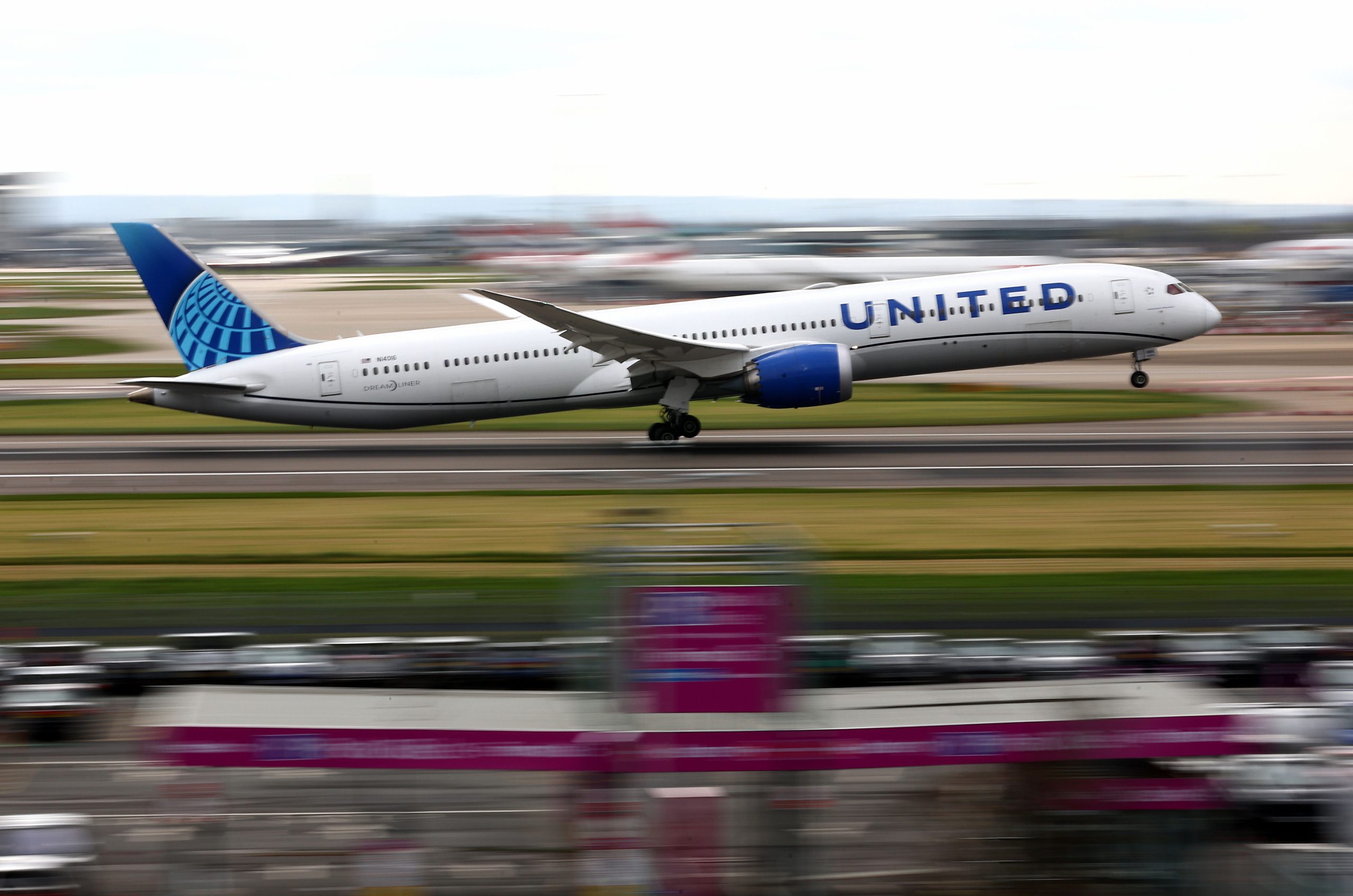
Travelers heading into the busy Easter travel period are facing higher costs at the airport as major U.S. airlines move to raise checked baggage fees due to soaring fuel prices related to the Iran war.
Why It Matters
United Airlines and JetBlue have announced new baggage fee increases that take effect just days before one of the spring travel season’s busiest weekends. Easter travel is typically one of the first major stress tests for airline pricing in the spring, and baggage fees are among the most visible costs for families and leisure travelers. With airlines facing volatile fuel prices and rising operating expenses, more carriers could follow United and JetBlue’s lead if high oil prices persist.
What To Know
United Airlines confirmed it is increasing checked baggage fees for tickets purchased on or after April 3, just ahead of Easter weekend. The airline said first and second checked bags will each cost $10 more in most markets, while the fee for a third checked bag will jump by $50. The airline said the move is its first baggage fee increase in more than two years and comes as jet fuel prices have surged following the war, which has disrupted global oil supplies as the Strait of Hormuz is effectively closed.
Fuel costs have nearly doubled in recent weeks, putting pressure on operating budgets. However, at United, many travelers will still avoid the higher fees, including MileagePlus Premier members, United credit card holders, active-duty military members, and passengers flying in premium cabins. United’s move follows a similar announcement from JetBlue, which raised checked baggage fees earlier this week, citing sharply higher fuel prices linked to the conflict in the Middle East as well.
“United is the second airline in the last week to raise baggage fees, and given the current ongoing military conflict in Iran boosting oil prices, it’s easy to see why the company made the move. Not only are customers seeing higher fares, but airlines are looking for other fee increases to offset fast-rising fuel costs,” Alex Beene, a financial literacy instructor for the University of Tennessee at Martin, told [SOURCE].
He added: “The result is more than likely going to be an expensive spring and summer for travelers to fly. Even if the conflict subsides, it could take weeks to see prices come down. And, sadly, it might be that baggage fees never come down, as those fees are known to stay at their new levels.”
JetBlue increased the cost of a first checked bag for most domestic economy passengers to $39 during off-peak travel and $49 during peak periods, including spring break and holiday travel windows. Fees for a second checked bag also rose, with some travelers now paying up to $69 during peak demand. The airline said charging more for optional services such as checked bags allows it to keep base fares competitive while absorbing higher operating costs. The new fees took effect immediately.
“While we recognize that fee increases are never ideal, we take careful consideration to ensure these changes are implemented only when necessary,” JetBlue said.
Other major U.S. airlines have not announced new checked baggage fee hikes tied specifically to the holiday travel period or the conflict in the Middle East. [SOURCE] reached out to American, Southwest, Delta and Alaskan Airlines for comment via email.
In February, American Airlines adjusted its baggage pricing, raising the cost of a second checked bag paid at the airport to $50. Southwest Airlines, which historically allowed two free checked bags, ended that policy last year, with most passengers now paying for checked luggage.
What People Are Saying
Kevin Thompson, the CEO of 9i Capital Group and the host of the 9innings podcast, told [SOURCE]: “Jet fuel prices are rising, and that cost flows directly through to the consumer. It won’t just show up in ticket prices, it will be layered into baggage fees, seat selection, and tighter restrictions as airlines look to protect margins.”
Drew Powers, the founder of Illinois-based Powers Financial Group, told [SOURCE]: “The cost of fuel is a major expense for airlines, and with prices on jet fuel nearly doubling since the start of the Iran war, the airlines feel they must make up the cost somewhere. But this will be different than variable fuel surcharges on tickets. Baggage fees are likely sticky— once they go up, they stay there. I would not expect these costs to go down if gas prices go down.”
What Happens Next
For now, travelers flying United or JetBlue this Easter may want to double-check when tickets were purchased, prepay for bags online when possible, or look into airline credit cards or elite status benefits that can help offset the added costs.
“Looking ahead, expect higher costs and potentially softer demand. Even when the conflict ends, prices won’t fully reset,” Thompson said. “Some supply is gone, and there is now a risk premium built into oil, which means higher prices for longer.”

In a polarized era, the center is dismissed as bland. At [SOURCE], ours is different: The Courageous Center—it’s not “both sides,” it’s sharp, challenging and alive with ideas. We follow facts, not factions. If that sounds like the kind of journalism you want to see thrive, we need you.
When you become a Member, you support a mission to keep the center strong and vibrant. Members enjoy: Ad-free browsing, exclusive content and editor conversations.
Help keep the center courageous. Join today.

Related Articles
Skip Bustling Barcelona for Girona’s Medieval and Culinary Magic
‘Once in a Lifetime’: Passenger’s Artemis 2 View From Plane Goes Viral
New Travel Warning Issued for Americans
Start your unlimited trial