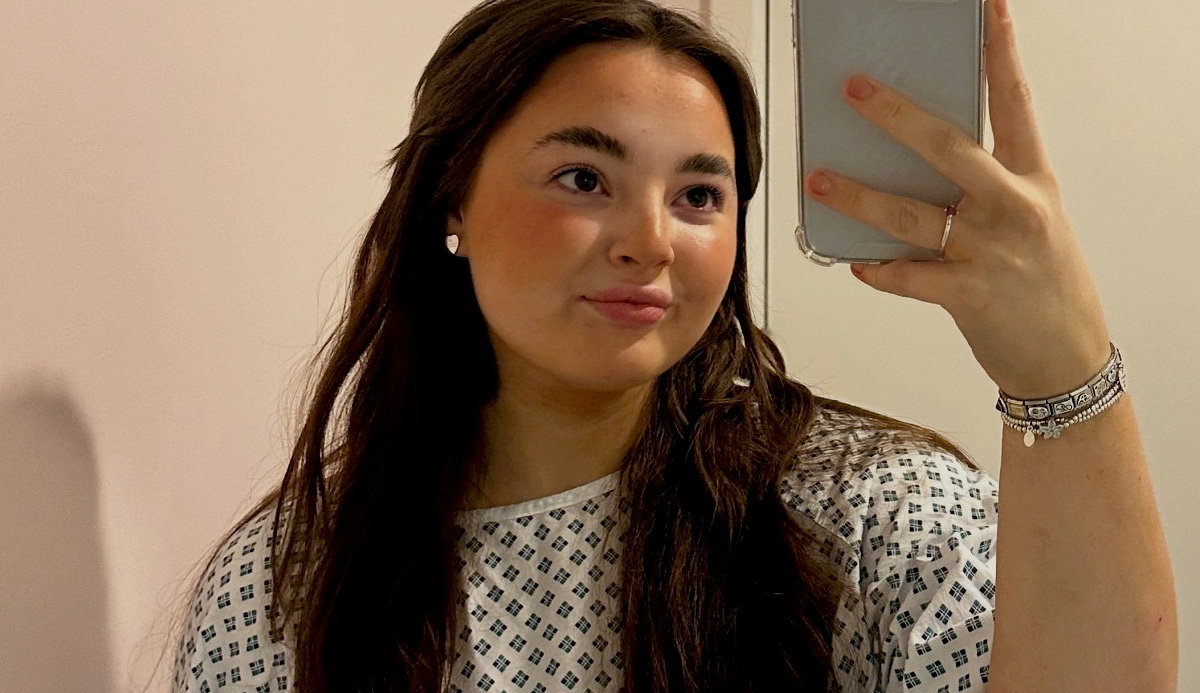
A Journey of Resilience and Recovery
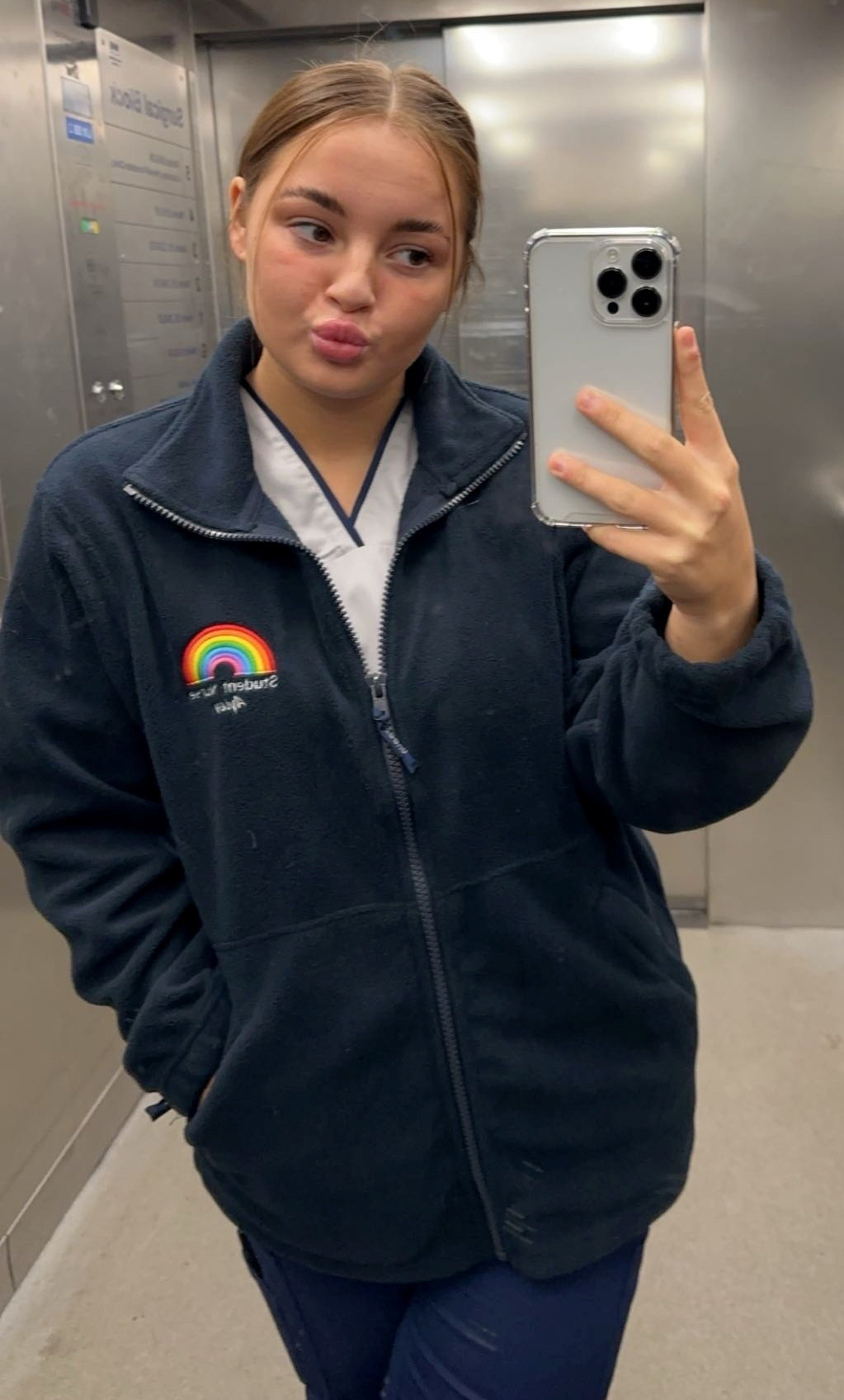
A young student nurse from Scotland, Ayley Crawford, faced a life-altering diagnosis when she was found to be suffering from a deadly form of cancer. At the age of 19, Ayley began her degree at Glasgow Caledonian University, but soon started experiencing persistent colds and sinus infections. As time passed, her symptoms worsened, leading to constant exhaustion and difficulty keeping food down.
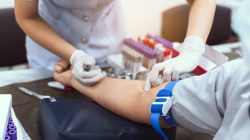
After fainting during an exam, Ayley sought medical attention, with her GP initially suspecting diabetes. However, after several tests, she was diagnosed with acute myeloid leukaemia (AML), an aggressive type of blood cancer that required immediate treatment.
The Diagnosis and Initial Treatment

The news of AML came as a shock to Ayley, who was only 21 at the time. With nearly 80% of those diagnosed not surviving more than five years, she felt terrified. “My first thought was ‘I’m going to die’,” she recalled. “I knew something was wrong, but I never thought it would be cancer.”
Ayley underwent four cycles of chemotherapy, which caused hair loss and nausea. Despite the challenges, she remained positive, thanks to the support from the staff at the Beatson hospital. “I kept thinking, I just need to get through this and then I’ll be able to get back to my life,” she said.
She was eventually told she was in remission in November 2024, allowing her to return to work and enjoy a holiday. However, her journey was far from over.
Relapse and the Need for a Stem Cell Transplant
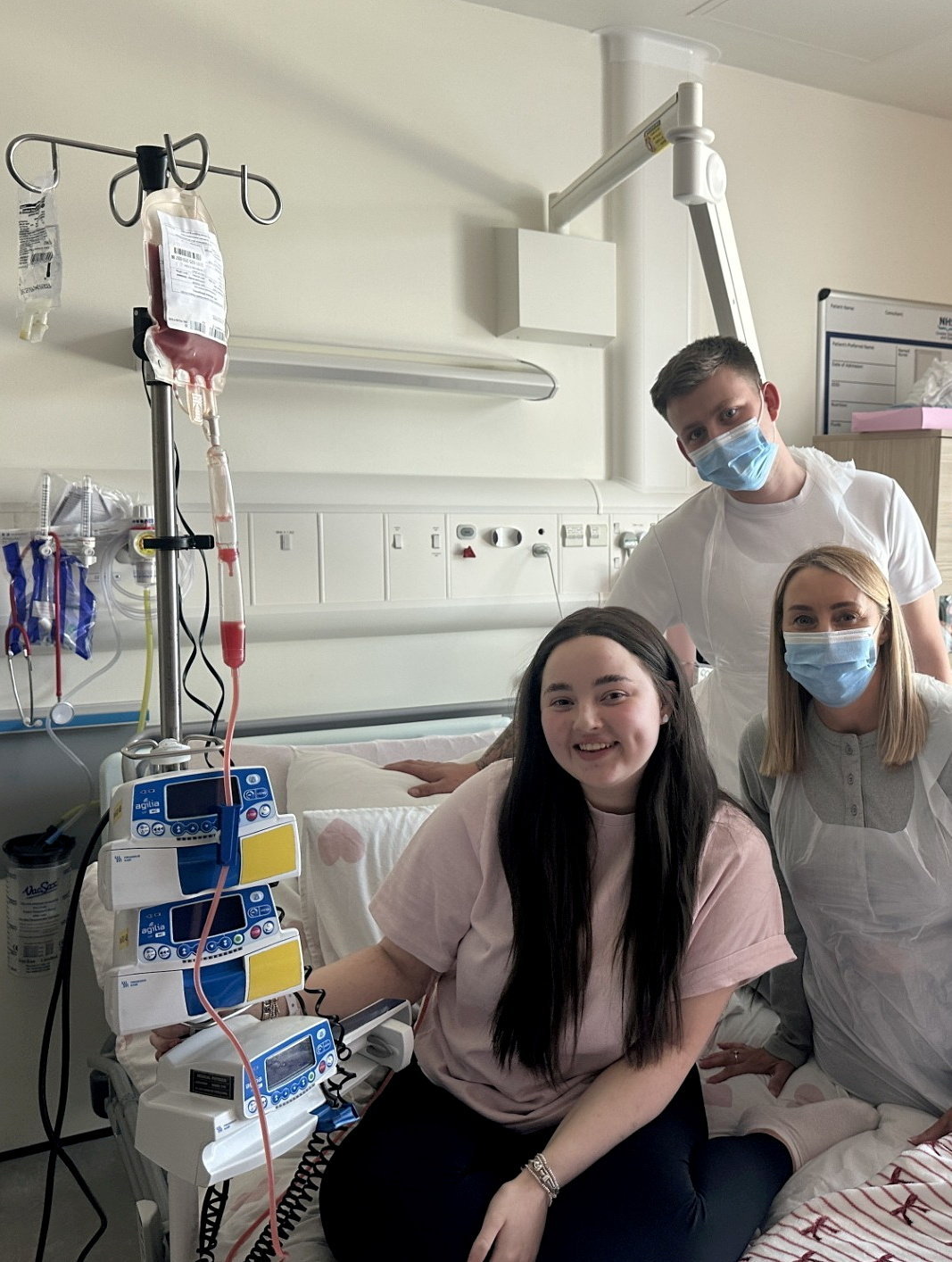
In March 2025, a routine bone marrow biopsy revealed that Ayley had relapsed. “I was devastated,” she said. “It felt like everything I went through had been for nothing.” She was informed that a stem cell transplant was necessary, and a match was found with an anonymous donor from Australia.
In July 2025, Ayley was admitted to the Queen Elizabeth University Hospital in Glasgow, where she described the procedure as “the worst thing I’ve ever endured.” She experienced ulcers in her digestive tract, leading to significant weight loss. For five weeks, she was confined to her room, with only her mother, boyfriend Riley, and friend Melissa allowed to visit.
Recovery and New Challenges
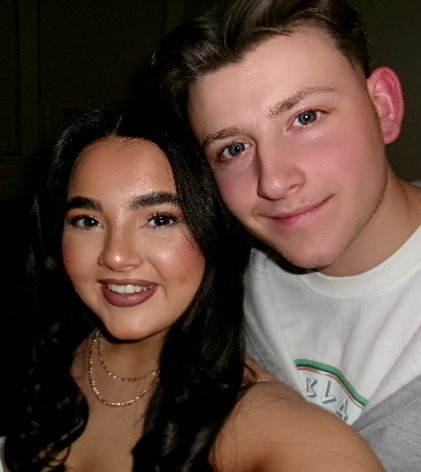
After the transplant, Ayley spent three months in isolation at home, dealing with side effects from medications and physical weakness. Walking from her bedroom to the bathroom became a challenge. “It was very hard for me dealing with how I looked as a young woman at the time,” she admitted. “Thankfully, I had my family and friends, who supported me greatly.”
Despite the difficulties, Ayley slowly recovered and was able to celebrate Christmas 2025, which she described as a special moment. Today, she is in remission and planning to travel this summer before returning to university in 2026.
Reflections on Life and Future Goals
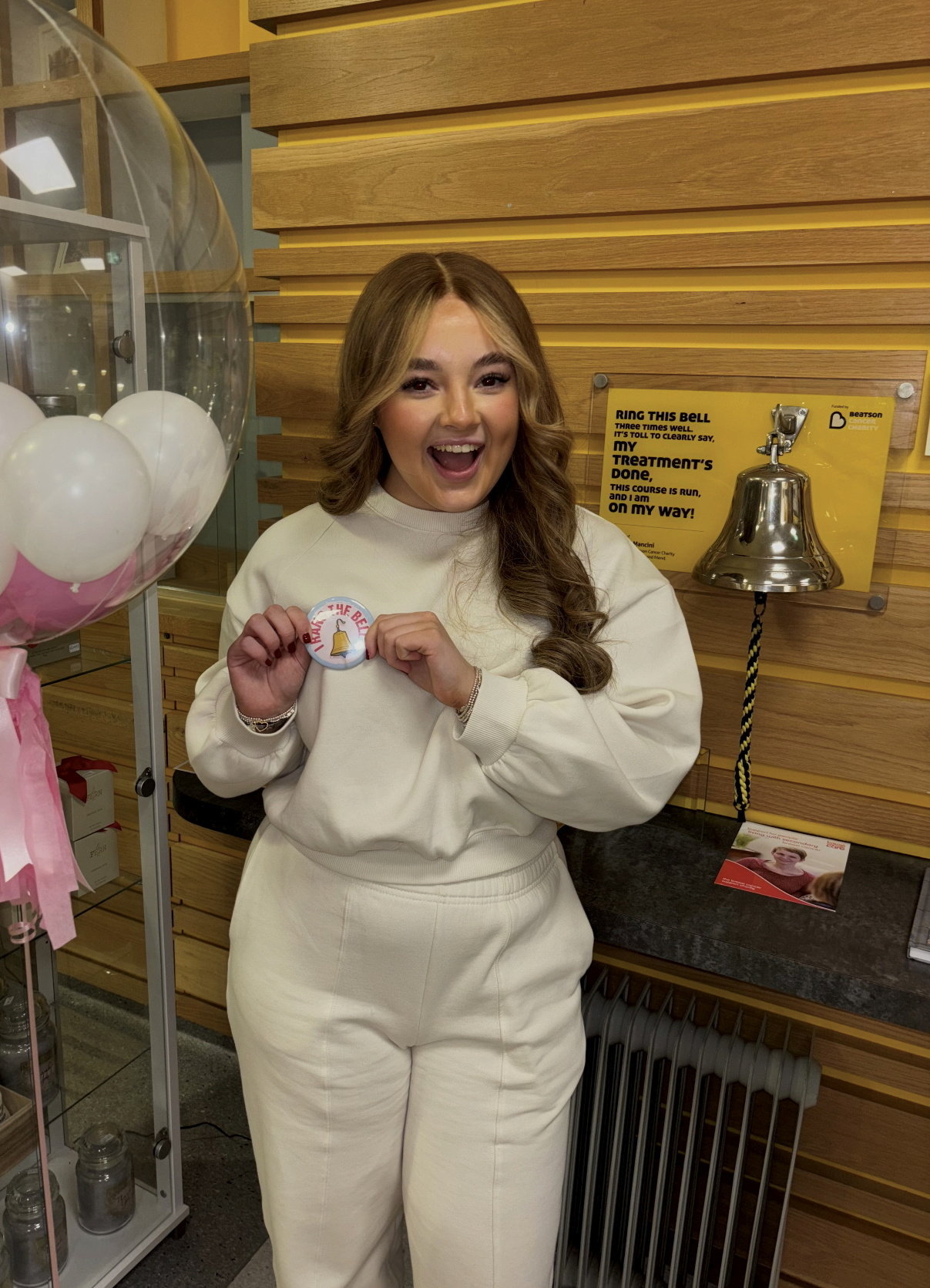
Ayley admits that the diagnosis profoundly affected her life. “I was a 19-year-old finding my feet in the adult world, and it was all taken away from me in the blink of an eye,” she said. “I was supposed to be graduating this year, and I’ve missed countless experiences with friends. I feel so behind.”
However, she sees a silver lining. “The one good thing to come of it all is that I think it will make me a better nurse. Every ward I was on, the nurses wanted me to come and join them once I was qualified. So, I may actually go into oncology.”
Her main goal now is to return to university and catch up on all the time she has missed.
Raising Awareness About Leukaemia
Fiona Hazell, chief executive at Leukaemia UK, praised Ayley’s story. “Many people aren’t aware of the signs and symptoms of leukaemia until they or someone they know is diagnosed,” she said. “We are so grateful to Ayley for sharing her story and helping to raise awareness of what to look out for.”
Hazell emphasized the importance of early diagnosis. “Early diagnosis saves lives, so we want to make sure more people are aware of the signs and symptoms, and to contact their GP to ask for a Full Blood Count test if they’re experiencing them.”
Together, the hope is to prevent leukaemia from devastating so many lives.