Rising Concerns Over Private Parking Fines in the UK
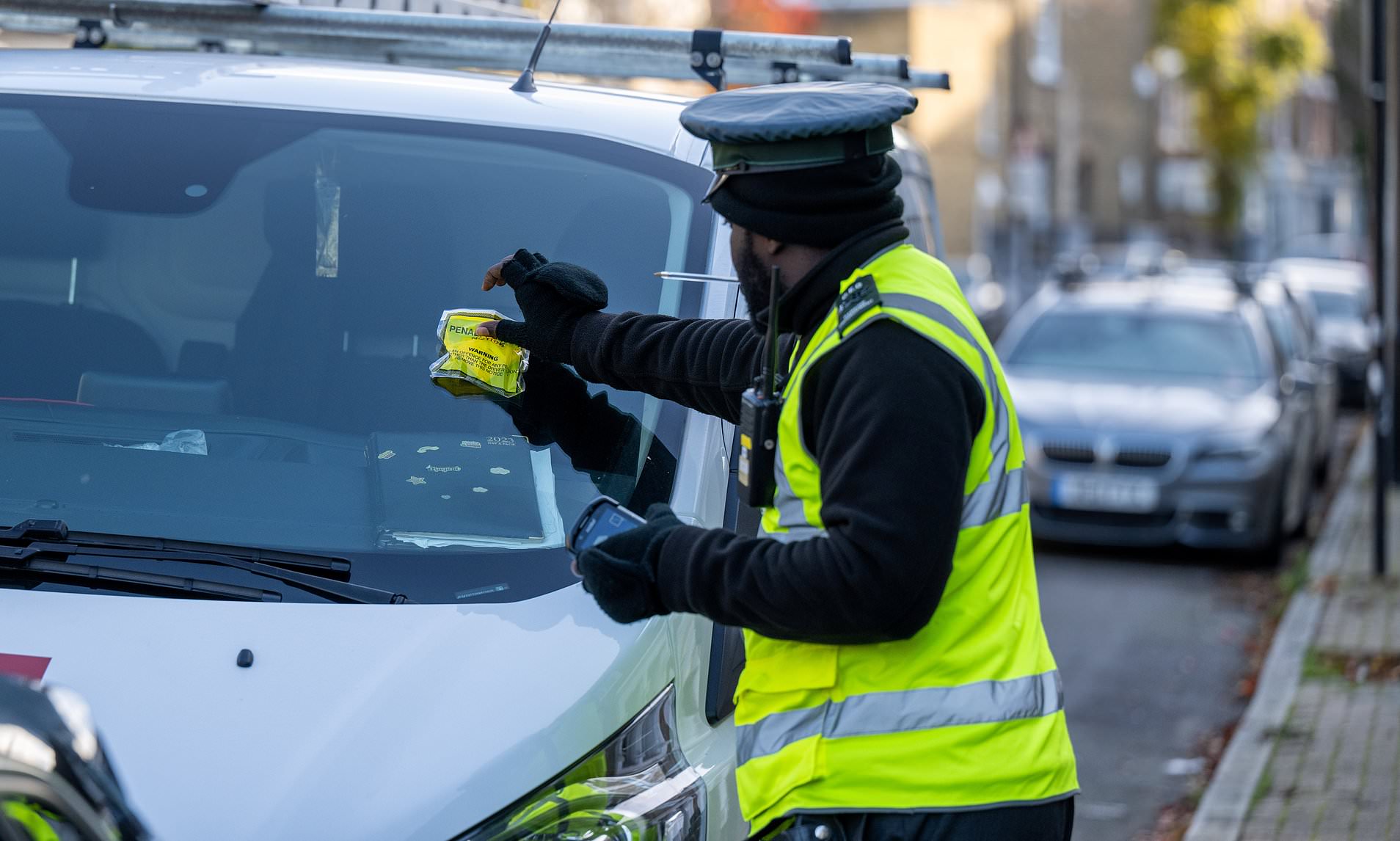
New data has revealed that drivers across the UK are facing an average of nearly 48,000 parking tickets every day from private companies. This staggering number highlights a growing issue with the current system of private parking enforcement, which is now costing motorists millions of pounds annually.
Between April last year and the end of December, over 13.1 million tickets were issued by private parking management firms. This represents a 19% increase compared to the same period the previous year, equating to roughly 47,749 tickets per day. The RAC Foundation, a motoring research charity, has raised concerns about this trend, suggesting that there may be something fundamentally wrong with how these fines are being issued.
Each ticket can carry a maximum fine of £100, meaning that the daily cost to drivers could reach as high as £4.8 million at the current rate. Critics argue that many of these fines are not only excessive but also unfair, with some drivers claiming they were caught out by confusing or misleading signage. Additionally, the use of aggressive debt collection practices and unreasonable fees has drawn widespread criticism.
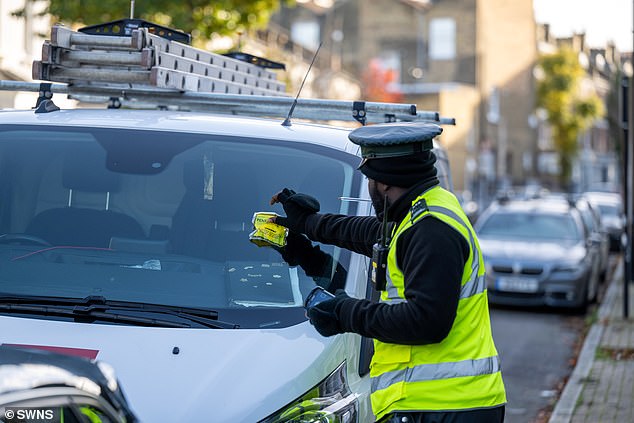
Steve Gooding, director of the RAC Foundation, commented on the situation, stating that with fuel prices at record highs, receiving a parking charge notice is the last thing any driver needs. He questioned whether such a large number of people are intentionally breaking rules or if the system itself is flawed.
A proposed Bill aimed at introducing a code of practice for the private parking industry received royal assent in March 2019. This code was expected to take effect across Britain by the end of 2023 and included measures such as halving the cap on most parking fines to £50. It also sought to create a fairer appeals process and ban the use of aggressive language on tickets.
However, the code was withdrawn by the former Conservative government in June 2022 following a legal challenge by parking companies. A new consultation on the code by the current Labour Government closed in September 2025. Despite repeated calls for reform, progress has been slow, according to Gooding.
The rising cost of living, particularly the sharp increase in fuel prices, has added urgency to the need for a more transparent and fair regulatory framework. Since the start of the conflict in the Middle East on February 28, the average price of petrol and diesel in the UK has increased by 26p and 49p respectively.
The analysis of parking tickets was based on records obtained from the Driver and Vehicle Licensing Agency (DVLA) by companies seeking to enforce charges against UK vehicle owners in private car parks, such as those found in shopping centres, leisure facilities, and motorway service areas. These figures do not include fines from council-run car parks.
In the final three months of last year, 195 parking management businesses requested vehicle owner records, with ParkingEye being the most active, purchasing 619,000 records. The DVLA charges private companies £2.50 per record, claiming that this covers the cost of providing the information without generating profit.
A spokesperson for the Ministry of Housing, Communities and Local Government stated that motorists must be protected when using private car parks, and the government is determined to improve standards in the industry. They plan to introduce a code of practice to Parliament this autumn to address the issues drivers are facing.
Isaac Occhipinti, head of external affairs for the British Parking Association, emphasized that the majority of drivers follow the rules and pay their way. He highlighted the importance of effective parking management in keeping towns and cities functioning and ensuring access to essential services.
Recent Incidents Highlight Systemic Issues
Separately, it was revealed that motorists paid a record £782 million in parking fines to councils last year—£160 million more than in the previous 12 months. Campaigners have accused local authorities of treating drivers as “wallets on wheels” due to the 26% increase in fines.
Last month, a foodbank was hit with £500 worth of parking tickets for overstaying just minutes in a Tesco drop-off bay to pick up donations. Meanwhile, a grandmother was fined £270 after she claimed she couldn’t pay for parking because of a broken ticket machine. She moved her car after 11 minutes but was hit with the bill less than two weeks later.
Trading standards officials are currently investigating controversial parking fines after drivers complained of being “conned” at a Southampton shopping centre. Thousands of pounds worth of fines are believed to have been issued at West Quay Retail Park since parking rules were changed last year.
Drivers said they were forced to pay £100 fines because of misleading and confusing signs, which made it unclear how to park after 8pm. Frustrated drivers began a petition to urge a review of the “unfair” measures. Britannia Parking, the company responsible for managing the car park, changed the rules in September, installing automatic number plate recognition (ANPR) cameras and new restrictions.
Drivers claimed they were unable to pay for a ticket beyond 8pm but were still fined if they parked later than that time. Trading Standards has since called for a review of the signage after the petition gathered hundreds of signatures.
Britannia Parking previously stated that the signage “exceeds the requirements” of the British Parking Association’s Approved Operators Code of Conduct and confirmed that all appeals are handled “on a case-by-case basis.” The company added that customers who overstay or fail to enter their registration number to extend their stay are at risk of a parking charge. Any driver who is issued with a parking charge has the ability to submit an appeal, highlighting any extenuating circumstances for consideration.