Free Public Transport Becomes Permanent in Western Australia
Free bus and train services on Sundays and for children traveling to and from school are set to become a permanent feature in Western Australia. This decision comes after a successful trial that saw a significant increase in public transport usage, according to the state government.
The new policy is expected to cost $70 million in the state budget and was announced by Premier Roger Cook on Sunday. He emphasized the popularity of the free Sunday transport program, stating, “Our incredibly popular free Sunday transport program will continue for another year.” Since the initiative was introduced, more than eight million Western Australians have taken advantage of the opportunity to use the state’s world-class public transport system.
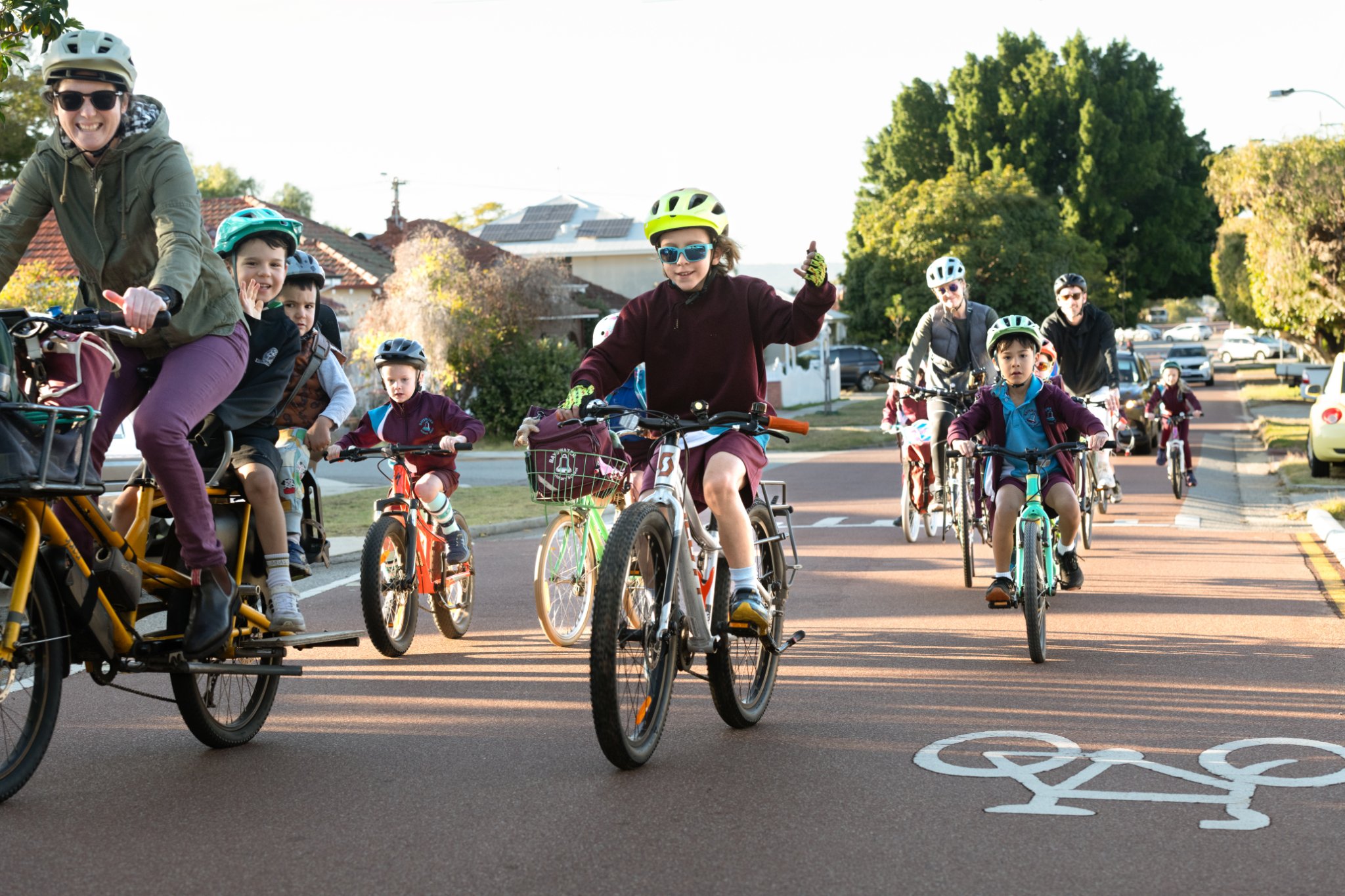
Cook also confirmed that the free travel program for students to and from school will now be a permanent measure, starting this week as term two begins. This change is expected to provide an annual saving of around $560 for families with two school-aged children.
Transport Minister Rita Saffioti highlighted the growing demand for public transport services, noting that last month’s boardings reached 15.7 million – a 14% increase compared to the same period last year. She added, “We’ve also seen a significant jump in the number of people using our bus and train services to get to school. We can see more than ever people are jumping on public transport.”
When asked about the cost of the initiative, Cook dismissed concerns, stating that the state government could afford to support public transport due to the “responsible financial management” of his cabinet. The move is part of a broader strategy to encourage West Australians to use public transport, which aims to reduce congestion and conserve fuel.
The government has already implemented several measures to promote public transport use. These include incorporating public transport into event tickets held in the city and lowering the Smartrider maximum fare to $2.80 across all zones. Additionally, travelers can now tap on with their smartphones at ticket machines.
Broader Implications and Future Plans
The announcement coincided with the Premier’s comments on the uncertain situation in the Middle East and its potential impact on global fuel prices. Cook acknowledged the volatility of the situation, saying, “It’s a fast-moving situation. We’re buoyed by the prospect that the Strait of Hormuz was open yesterday – but today, they say they’re closed. Who knows what’s going to happen tomorrow?”
To mitigate the risks associated with fuel supply disruptions, the government has established a small stockpile of fuel at Wyndham port in the state’s north. However, Cook emphasized that further discussions are underway to secure additional fuel reserves in the future. He said, “We are having conversations with third-party suppliers and third-party reserves… and we’re certainly looking to see what we can get towards the south of the state, so that we can get that fuel into the southern Wheatbelt.”
Conclusion
The decision to make free public transport services permanent reflects the state government’s commitment to improving accessibility and reducing reliance on private vehicles. With the ongoing efforts to enhance public transport infrastructure and promote sustainable travel, Western Australia is taking significant steps toward a more efficient and environmentally friendly transportation system.