A Glimpse into the Latest Interior Design Trends from Milan Design Week
After returning home from a brief but intense visit to Milan Design Week, I’m still processing the sheer volume of creativity and innovation on display. As one of the most significant design events in the world, this year’s fair felt more vibrant and dynamic than ever. While a few days aren’t enough to take in everything, I’ve gathered insights from a team of editors who were immersed in the event. Here are the key interior design trends that stood out this year, along with some of my own observations.
1. Mixed Metallics
One of the most intriguing trends this year was the blending of warm and cool-toned metals. This is an evolution of the stainless steel trend, but with a twist. At Design Lab by stylist Iokasti Sotirakopoulou, we saw stainless steel paired with bronze, which added warmth and made the material feel less industrial and more decorative. The combination felt effortless, as seen at Dimorestudio’s new gallery where chrome, bronze, and brass coexisted in a way that felt edgy yet refined.
2. Unexpected Mint
Mint green emerged as a surprising yet effective color choice this year. While Italian design typically leans toward warm, neutral palettes, the addition of a soft mint green brought a refreshing contrast. It’s disruptive in a way that adds life to a space, but its subtlety prevents it from feeling jarring. This pastel shade is perfect for those looking to inject a bit of personality without overwhelming the room.
3. Lacquer
High-gloss lacquer was everywhere, both on updated older pieces and newly created ones. “It creates a moment of glamour and eye-catching intrigue,” noted Pip Rich, executive editor. Lacquered tables have been popular for a while, but expect to see this finish used in unexpected ways, such as on accent chairs to add structure and texture. The color palette also shifted, with softer shades like warm browns, mint, olive green, pale blue, and muted neutrals becoming prominent.
4. Oak
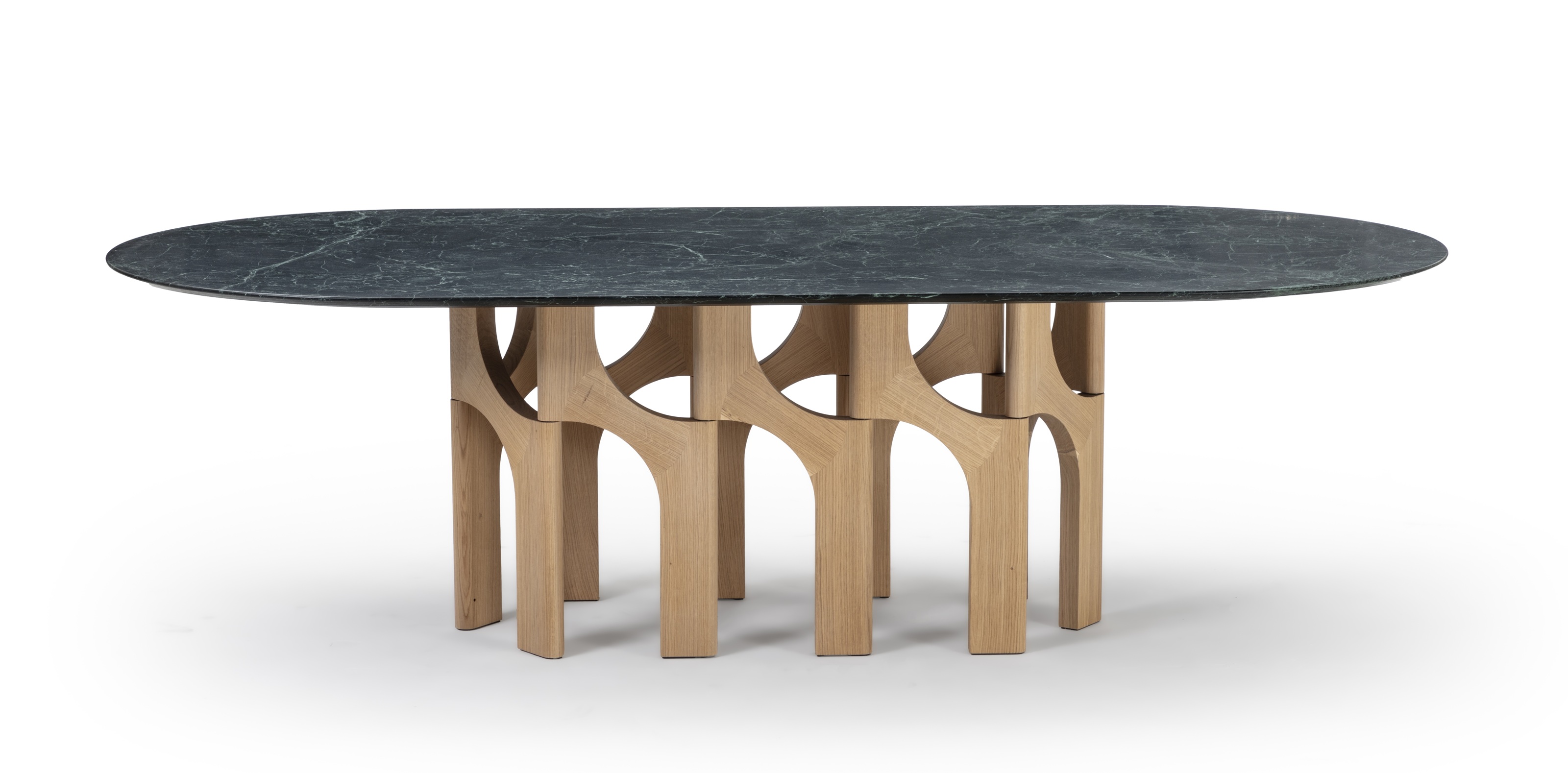
While walnut has long dominated Milan Design Week, oak is now making a strong comeback. It’s softer, cooler, and more approachable. “It pairs well with the cooler tones coming through, like blues and pastels,” says Pip. Italian brand Porada is using its own oak forest, which takes three years to treat, marking a significant shift from its signature Canaletta style.
5. Blue
Blue emerged as a unifying theme across several collections. From icy, almost-white shades at Natuzzi to deep marine tones at Saba, the color’s freshness and connection to holiday skies resonated with many. However, blue was often balanced with contrasting colors like oranges, tans, and reds. For instance, a bedroom at the Nilufar Grand Hotel exhibition featured hand-embroidered wall coverings by de Gournay, showcasing how blue can be both bold and harmonious.
6. Powdered Glass
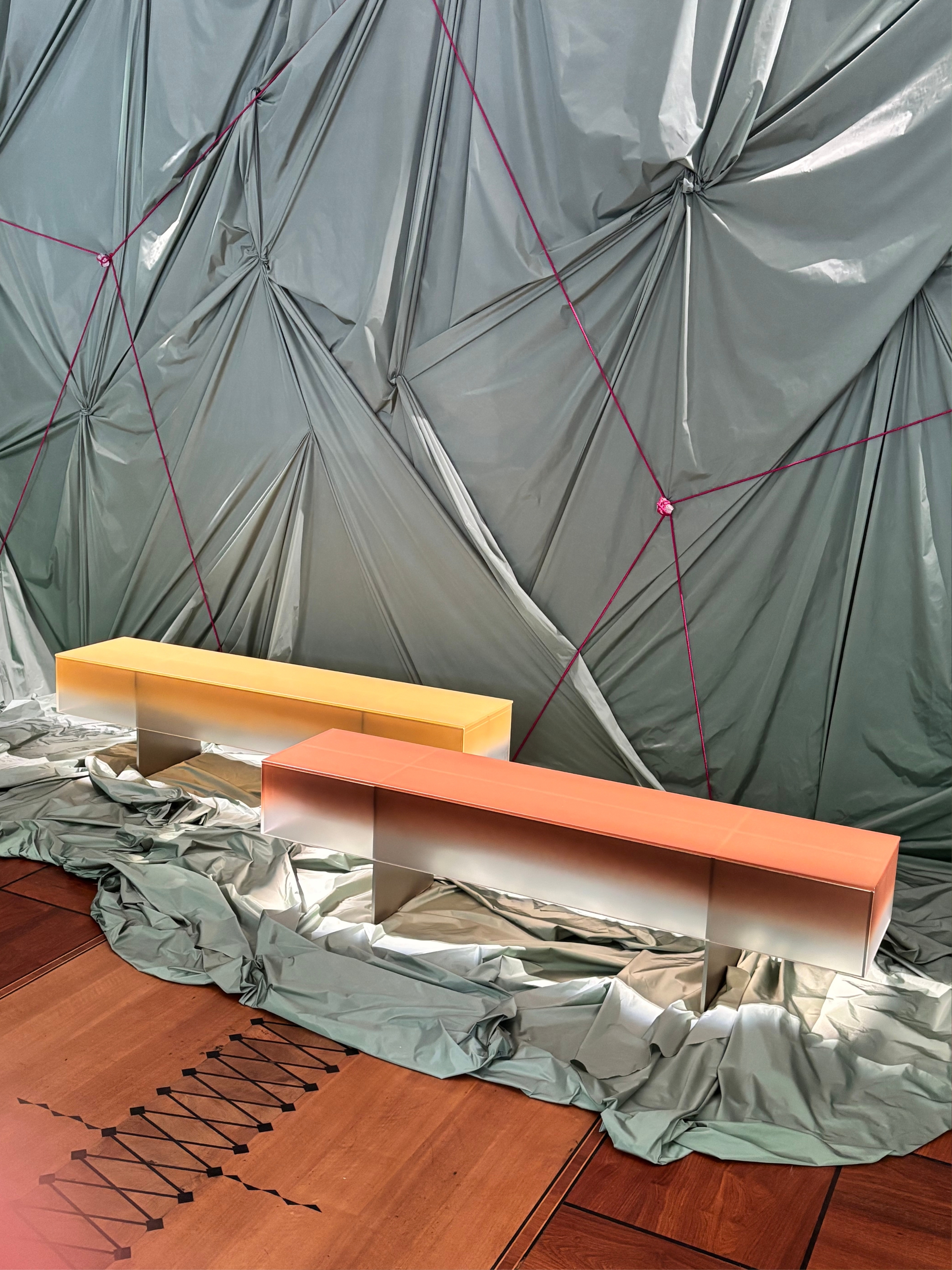
Glass remains a staple at Milan Design Week, and this year, powdered glass finishes on side tables at Gallotti&Radice caught attention. The gem-like gleam of this material offers a fresh take on an old favorite, creating a jewel-like effect that feels both modern and timeless.
7. Blurred Lines
This year, Milan focused on contrast, but designers used blurred lines and soft boundaries to soften the impact. Draga & Aurel’s collaboration with Murano glassmakers Salviati introduced organic borders that added depth to color contrasts. Similarly, Jov Designs’ installation with Bieke Casteleyn featured blurred motifs that gave a retro feel to a neutral palette.
8. Romance
There was a romantic atmosphere in the air this year, blending modern minimalism with traditional Italian elements. Florals made a strong appearance, with cherry blossom motifs at Porada and Armani/Casa. The prettiness of rose-colored petals signaled a softening even in brands not typically associated with patterns. Calligaris’ collaboration with Twinset brought lacy textiles to armchairs, merging fashion and furniture in a unique way.
From kitchens and bathrooms to lighting and rugs, there’s much more to explore in the evolving design landscape. Keep an eye out for these trends as they continue to shape the future of interior design.