The Dodgers’ Response to a Loss: A Case of Denial and Deflection
The Los Angeles Dodgers, as the two-time defending World Series champions, are expected to handle any early-season loss with grace and composure. After all, they’ve been far and away the best team in the league so far in 2026, and one loss out of 162 games shouldn’t be cause for alarm. Yet, when the Dodgers fell to the Colorado Rockies on Saturday, it was clear that not everyone on the team was ready to accept the defeat.
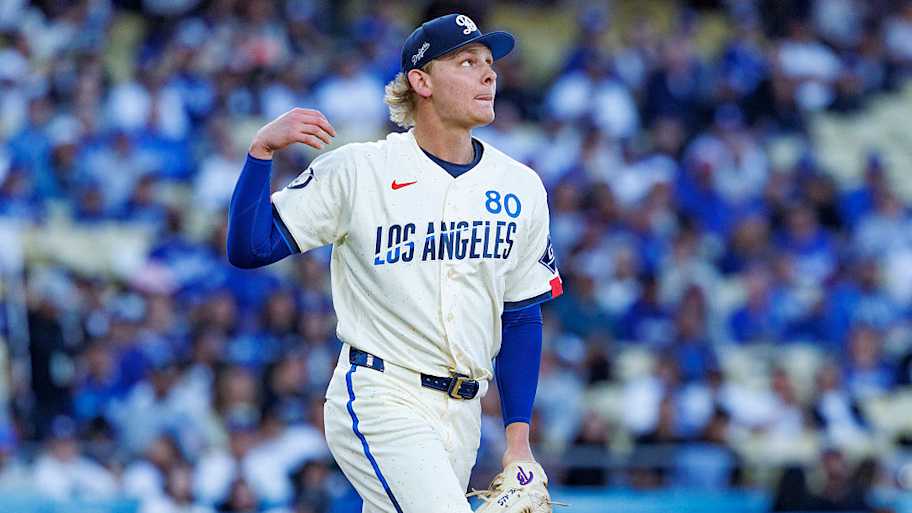
Catcher Dalton Rushing, in particular, seemed to take the loss personally. Instead of acknowledging the Rockies’ strong performance, he chose to imply that something was off. “I think they had a good game plan as an opposing team, and maybe I pitched into their game plan,” Rushing said. “As far as calling pitches, I’m not 100-percent sure. I just, I think it’s odd some of those hitters that do what they do, they go up there and they were only on the first pitch that was thrown. So it’s a little fishy.”
This kind of passive-aggressive commentary is baffling. The Rockies entered the weekend with the second-highest swing rate in the league, which means they’re known for being aggressive at the plate. It’s not unusual for them to swing early, especially against a pitcher who’s struggling. But Rushing seems to believe that this aggression was somehow orchestrated or suspicious, rather than a natural part of the game.
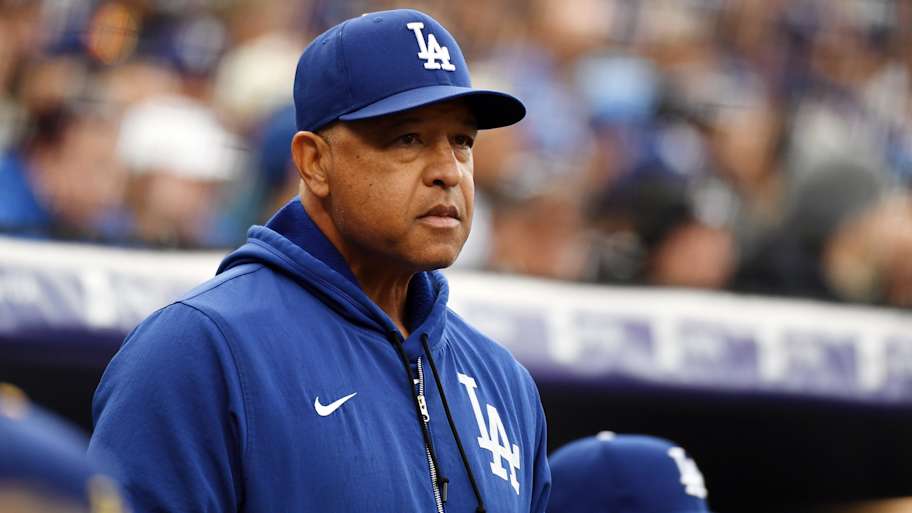
Manager Dave Roberts Dismisses the Claims
When asked about Rushing’s comments, manager Dave Roberts was quick to dismiss the idea that anything was amiss. “I saw some bad breaking balls,” Roberts said, according to Jack Harris. “So I don’t think there was anything fishy behind it.” This was the truth. Both starter Emmet Sheehan and reliever Will Klein struggled early in counts, leaving the ball in the strike zone where the Rockies could capitalize.
The Rockies’ aggressive approach is well-known, and it comes with its own set of vulnerabilities. Their high swing rate makes them susceptible to pitches outside the strike zone, particularly breaking balls. However, the Dodgers didn’t take advantage of these weaknesses, either because of poor execution or a lack of familiarity with the scouting reports.
A Game of Humility and Responsibility
Baseball is a humbling sport. Even the best teams face setbacks, and no amount of talent or resources can eliminate the possibility of failure. For a player like Rushing, who is having a breakout season, it’s even more important to maintain perspective. He plays for a team that has every institutional advantage, including top-tier development and scouting. If anyone is born on third base, it’s the Dodgers, who seem to be playing the sport on easy mode right now.
Yet, despite all of this, a loss to a lesser team still feels shocking enough to warrant an explanation that borders on conspiracy. Instead of taking a hard look at themselves or simply moving on, Rushing and others on the team are trying to shift the blame onto the Rockies. This kind of behavior is not only unprofessional but also damaging to the team’s reputation.
The Bigger Picture
The Dodgers’ threepeat bid is one of the most anticipated stories in baseball this season. However, if this kind of response is indicative of the team’s mindset, it might not be long before fans start to lose faith. A reality check is needed—not just for the players, but for the entire organization.
There’s nothing wrong with striving for greatness, but it’s equally important to accept that even the best teams will face challenges. The real test of character isn’t how you respond to victory, but how you handle defeat. In this case, the Dodgers have shown a troubling tendency to deflect rather than confront.