The New Era of Aging: Baby Boomers Redefining Longevity
Living longer is no longer just about genetics—it’s about daily choices. And Baby Boomers are beginning to adapt, embracing a new approach to aging that focuses on healthspan rather than lifespan.
Across major cities like Los Angeles and Miami, Baby Boomers are entering a new phase of life with a growing focus on longevity and quality of living. As global life expectancy increases, experts emphasize that lifestyle habits—not genetics—play the biggest role in how long and how well people live, making everyday routines more important than ever.
In this shifting landscape, health is no longer defined simply by avoiding illness. Instead, the concept of “healthspan”—the number of years lived in good health—has become central. Many Boomers are now prioritizing habits that support both physical vitality and mental clarity, recognizing that small, consistent lifestyle changes can significantly extend both lifespan and overall well-being.
Daily Habits Reshaping How Boomers Age
One of the most critical changes involves physical activity. Regular movement, whether through walking, light exercise, or recreational activities, is increasingly seen as essential. Research shows that consistent physical activity can extend life expectancy and improve both physical and mental health, reinforcing its role as a cornerstone of longevity.
Nutrition has also taken center stage. Rather than relying on processed foods, many are shifting toward balanced diets rich in whole, nutrient-dense ingredients. This approach supports long-term health and reduces the risk of chronic diseases, aligning with broader global wellness trends.
Equally important is mental engagement. Activities such as reading, learning new skills, or solving puzzles help maintain cognitive function over time. Experts note that keeping the brain active is just as important as maintaining physical fitness when it comes to aging well.
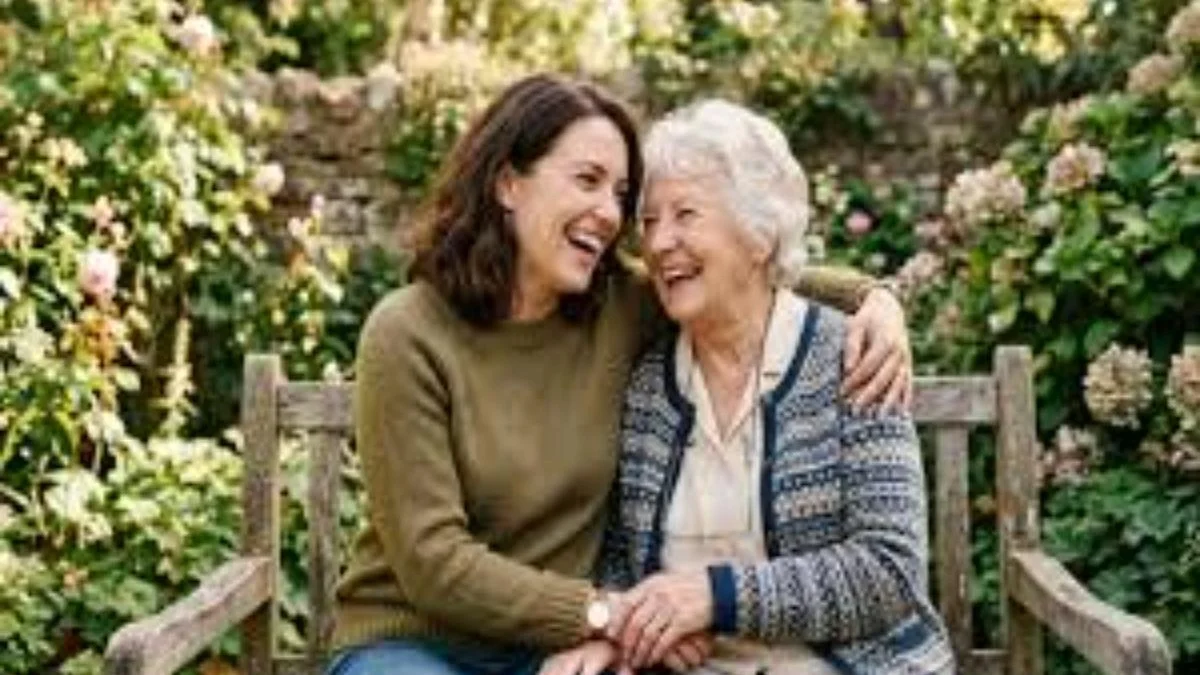
Social connection is another powerful factor. Maintaining strong relationships with family, friends, and communities has been linked to better emotional health and even longer life expectancy. In an increasingly digital world, staying socially connected remains one of the most underestimated keys to longevity.

A Shift in Perspective
Ultimately, the way Baby Boomers approach aging is evolving rapidly. No longer defined by decline, this stage of life is becoming one of reinvention, purpose, and proactive health management. The growing realization is clear: longevity is not just about adding years to life, but adding life to those years.
This transformation is driven by a deeper understanding of what it means to age well. It’s not just about surviving longer; it’s about thriving in every aspect of life. From physical health to mental sharpness, from social connections to personal fulfillment, the Baby Boomer generation is redefining what it means to grow older.
As they embrace these new habits, they are setting a powerful example for future generations. Their commitment to healthspan and quality of life is reshaping societal expectations around aging. It’s a movement that highlights the importance of taking control of one’s health and making intentional choices that support long-term well-being.
The Future of Aging
The question remains: Are these habits enough to redefine aging for future generations? While there is no single answer, the trend is clear—aging is no longer something to be feared. It’s an opportunity to live fully, intentionally, and with purpose.
For Baby Boomers, this shift represents a profound change in mindset. They are no longer passive participants in the aging process; instead, they are active agents in shaping their own futures. By prioritizing health, engagement, and connection, they are proving that aging can be a time of growth, discovery, and renewed energy.
As more people follow in their footsteps, the definition of what it means to grow old will continue to evolve. The focus will remain on living well, not just living longer. And in doing so, the next generation may find themselves inspired to adopt similar habits, creating a legacy of health and vitality that extends far beyond their own lifetimes.