Know what you’re actually looking for
Before testing anything, it helps to know the basic identity of each metal.
Copper is a pure element with a distinctive reddish-orange color when clean. It’s one of only two metals that isn’t silver or gray in its natural state (gold being the other). With age, copper develops a patina ranging from warm brown to dark chocolate to full green verdigris.
Brass is an alloy of copper and zinc. Its color depends on the ratio: high-copper brass (red brass) looks almost salmon or rosy gold; standard yellow brass is bright gold-yellow; high-zinc brass is paler and cooler-toned. It’s harder and more durable than pure copper.
Bronze is an alloy of copper and tin (sometimes with small amounts of aluminum, phosphorus, or silicon). It sits between copper and brass in color, warmer and redder than brass, with a richer, deeper tone. True bronze is denser and harder than brass and was historically used for statues, bells, and heavy-duty hardware.
The magnet test: your first move, every time
Pull out a small rare earth (neodymium) magnet before you test anything else. These cost a few dollars and fit in a pocket.
Real copper, brass, and bronze are all non-ferrous, meaning they contain no iron and have zero magnetic attraction. If your magnet sticks, even slightly, the piece is either:
- Steel or iron with a copper, brass, or bronze plating
- A zinc alloy (pot metal) with plating
- Cast iron with a decorative coating
A magnet that slides right off with no drag at all is your first green light. Note that a mild slip-and-drag can happen on thick plating over a non-ferrous base metal, but a genuine snap or hold means ferrous metal underneath. Discard those pieces unless you specifically want plated items.
The weight test
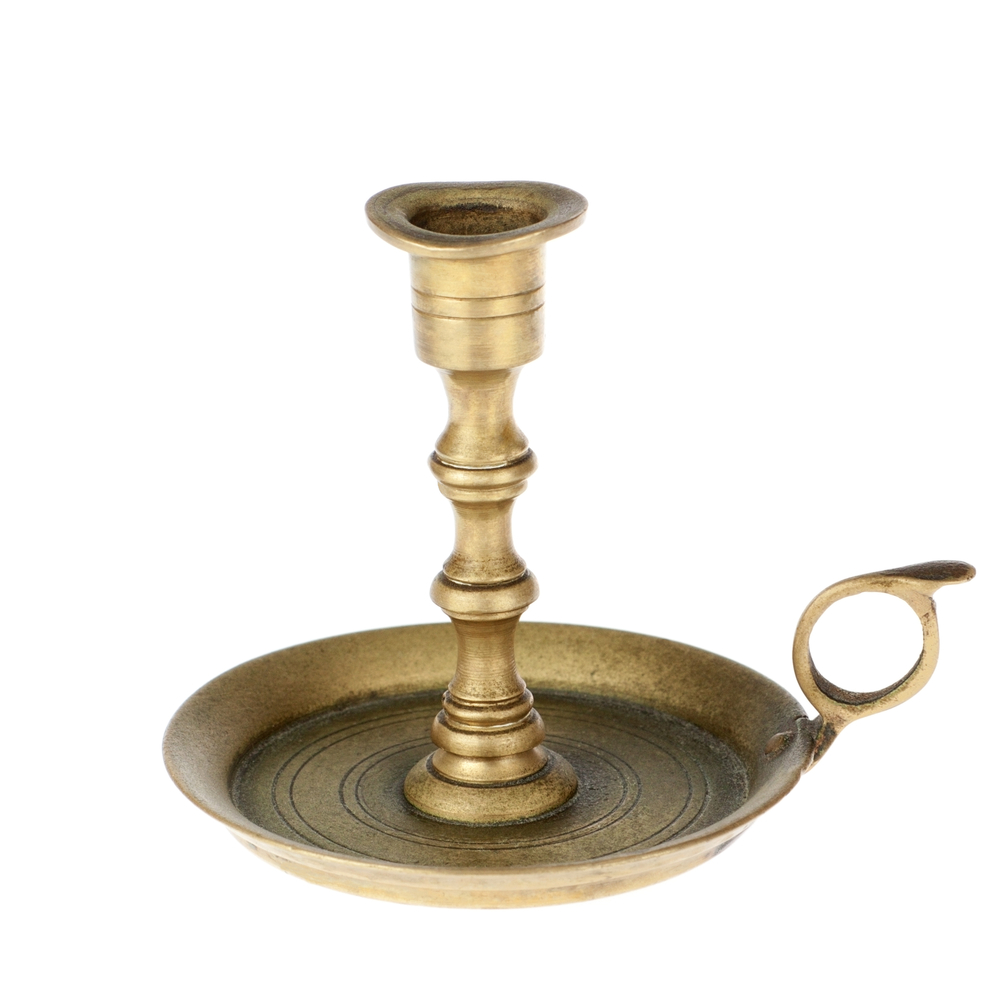
Copper, brass, and bronze are all significantly dense metals. A real brass candlestick, copper pot, or bronze figurine has serious heft for its size. Pick it up and let your hand calibrate.
Lightweight pieces that look like these metals are almost always:
- Pot metal (zinc alloy/zamak): Very common in decorative pieces, hardware, and figurines. Feels almost hollow-light compared to real brass.
- Aluminum: Occasionally used in decorative pieces. Extremely light, almost shockingly so.
- Resin or cold-cast bronze: Used extensively in decorative figurines. Has a plastic-hollow quality to the weight.
- Thin plating over stamped steel: Light and often tinny-sounding.
There’s no formula here. It’s a tactile comparison, and if you handle a lot of pieces over time, you’ll internalize what “right” feels like very quickly.
Color and visual examination

Copper should look reddish-orange where clean. Cleaned copper is almost salmon-pink in strong light. Patina ranges from warm brown to black to green. The green (verdigris) is copper carbonate or sulfate; it’s normal and valuable. Be suspicious of a uniform, sprayed-on looking patina with no variation.
Brass ranges from pale yellow-gold to deep reddish-gold. It doesn’t go green the way copper does; it typically darkens to a brownish-gold and can develop a warm honey tone with age. Pieces that look bright acid-yellow all over may have been machine-polished or lacquered.
Bronze is noticeably warmer and more amber-brown than brass. Old bronze often has a rich brown or dark greenish-brown patina in the recesses with warmer tones on high points. This natural high-low contrast (called archaeological patina) is very hard to fake convincingly on cheap pieces.
Red flags in the color:
- Chrome-bright finish with no wear, often plated
- Uniform spray-painted “antique” look with no depth
- Green that wipes off easily, sometimes applied artificially to plain zinc castings
- Brassy color on raised areas, gray or white at the base where plating has worn through
The scratch test
Find an inconspicuous spot: the bottom of a piece, inside a rim, the back of a figure’s base. Scratch firmly with a coin, your thumbnail, or a key.
Real copper reveals bright reddish-orange metal in the scratch.
Real brass reveals yellow-gold metal.
Real bronze reveals warm brownish-gold metal.
If the scratch reveals:
- Gray or silver metal: Zinc, aluminum, or steel underneath. The piece is plated.
- White or chalky material: Resin or cold-cast metal (more on that below).
- A different color than the surface: Plated, no question.
Don’t scratch anything you’re planning to buy without doing it discreetly in an unnoticeable location. On decorative pieces, the underside of the base is your best bet.
The sound test
Strike the piece gently against your palm or tap it with a fingernail.
Real copper, brass, and bronze ring with a clear, sustained tone. Brass in particular has a bright, resonant ring, which is why it’s used for bells and musical instruments.
Pot metal, zinc alloy, and plated steel produce a dull, dead thud with almost no ring. Resin has a completely hollow, plastic-sounding knock.
This test is most useful on hollow pieces: vases, bells, candlestick tubes, vessels. Solid cast pieces will always be somewhat duller regardless of material.
The temperature test
Metal conducts heat and cold rapidly. Real copper, brass, and bronze feel immediately cool to the touch in a room-temperature environment and warm quickly to your body heat in your hands.
Resin, cold-cast pieces, and heavily painted pot metal retain room temperature longer and don’t give you that instant cold-metal sensation. This is a subtle but real distinction once you’ve handled enough genuine pieces.
Spotting cold-cast bronze: the big fake in decorative figurines
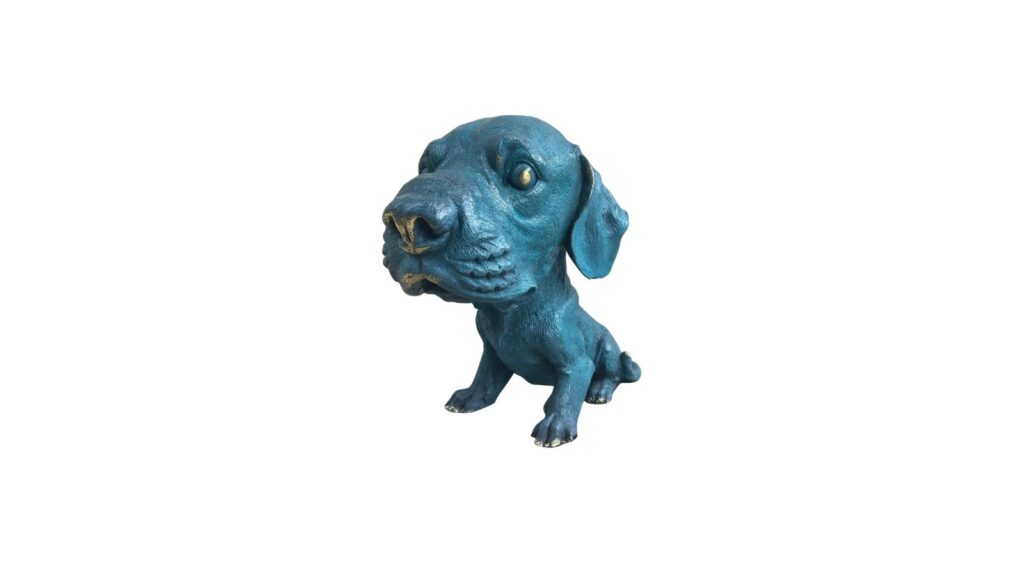
This one catches a lot of people. Cold-cast bronze (also called resin bronze or bonded bronze) is polyester resin mixed with real bronze powder. It looks remarkably similar to genuine cast bronze, especially when patinated, and it’s used heavily in decorative figurines, wildlife sculptures, and reproduction art pieces.
How to spot it:
- Weight: Cold-cast is significantly lighter than real bronze for the same size. Hold two similarly sized figurines and the weight difference is dramatic.
- Surface texture: Real cast bronze has a fine, crystalline surface texture when you look closely. Cold-cast often looks slightly plastic or has very fine surface bubbles.
- Temperature: Cold-cast warms up faster and doesn’t feel as cold initially.
- Scratch test: A scratch on an inconspicuous area reveals white or tan resin below the surface color.
- Base inspection: Many cold-cast pieces have a hollow base with a fabric or felt bottom glued on. Real bronze figurines either have open bases showing the metal interior or solid bases with the metal visible.
- Seam lines: Cold-cast pieces from molds often have fine seam lines where mold halves met. Real sand-cast or lost-wax bronze is finished by hand and seams are ground away.
- Price context: A thrift store “bronze” figurine priced at $3 is almost certainly cold-cast. Genuine bronze sculpture retains real value.
Spotting pot metal and zinc alloy
Pot metal (zamak, zinc-aluminum alloy) was used extensively in decorative hardware, figurines, and decorative objects throughout the 20th century. It’s often chrome-plated, brass-plated, or painted.
Signs of pot metal:
- Very light weight despite apparent bulk
- Pitting on the surface, particularly on older pieces, zinc alloys develop a distinctive pitting and flaking as they age and “zinc pest” sets in
- Gray or grainy metal visible at any worn or damaged area
- A dull, flat thud when tapped
- Magnetic neutrality (pot metal is not magnetic, so the magnet test won’t help you here, rely on weight and scratch)
Spotting copper-plated and brass-plated steel
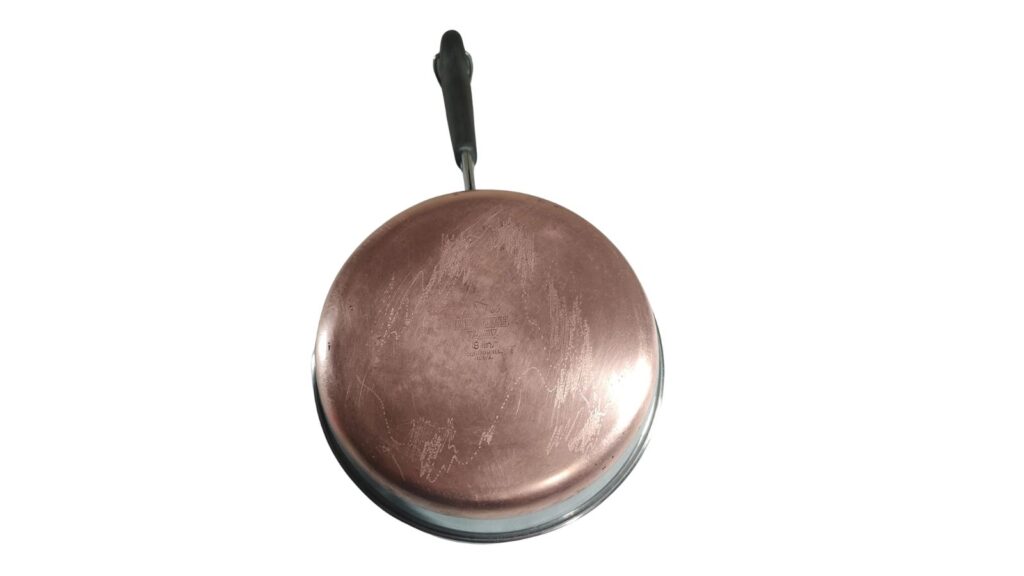
Common on cookware, decorative bowls, trays, and hardware.
The magnet test catches the majority of these immediately.
Look for wear patterns at edges, rims, and high points where plating wears first. If you see silver or gray peeking through, it’s plated steel.
On cookware specifically, look inside. A copper-clad steel pan will show stainless or plain steel on the cooking surface.
Plating is often too uniform and too bright, lacking the natural color variation of solid metal.
Reading stamps and markings
Genuine copper and copper alloy pieces are sometimes marked, though not always.
Useful marks to know:
- .999 or 99.9%: Fine copper
- COPPER: Stamped on plumbing fittings, sheet metal, and some cookware
- BRASS: On hardware, some musical instrument components
- BR or BRS: Abbreviations sometimes found on hardware
- “Solid Brass”: Stamped on hardware (hinges, knobs, bathroom fixtures) is generally reliable
- Made in England/France/Germany + pre-1950s date context: Often indicates solid brass or copper in decorative objects
Marks that indicate plating:
- EP, EPNS, EPC: Electroplated (nickel silver, copper), plating over base metal
- Copper Clad, Copper Tone, Coppertone: Plated or coated, not solid
- Gold Tone, Brass Tone: Definitively not solid brass
No mark at all is neutral. Plenty of genuine old brass and copper pieces were never stamped.
Item-by-item thrift store guide
Candlesticks: Real brass candlesticks are heavy and ring when tapped. Turn them upside down; solid brass bases often show machining marks or hand-finishing, while plated or pot metal often has a rough cast underside with a felt sticker. Run your magnet along the base.
Cookware: Real copper cookware is exceptionally heavy, has a warm reddish-orange exterior, and typically has tin, stainless, or brass lining inside. Tap it and it rings clearly. Copper-colored cookware that’s light, magnetic, or sounds dead is steel or aluminum with a coating.
Decorative vases and bowls: Tap test and weight test both apply. Look inside; real hammered copper or brass shows the same metal throughout with natural variation, while plated pieces often show different metal inside.
Figurines and sculptures: See the cold-cast section above. Weight, scratch, and temperature are your tools.
Hardware (hinges, knobs, pulls): Magnet test first. Real solid brass hardware is heavy, uniform in color throughout a scratch, and often marked. Brass-plated stamped steel is the most common fake here and very common on vintage-looking hardware sets.
Fireplace accessories (tongs, screens, pokers, log holders): Often genuinely solid brass on older sets. Magnet test the structural parts; some pieces legitimately mix solid brass decorative elements with steel functional parts.
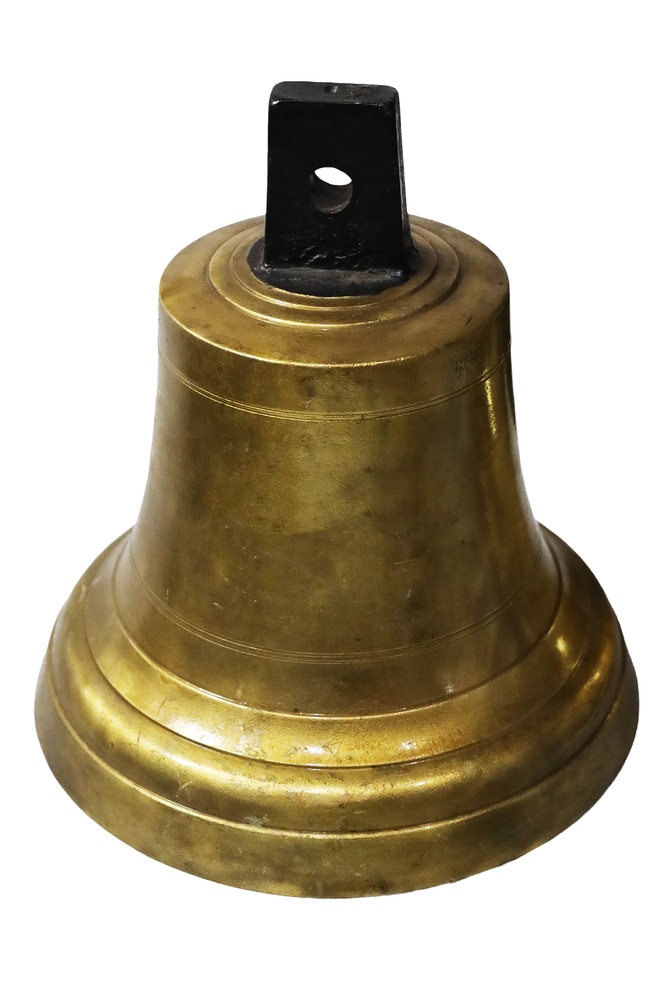
Bells: Ring them. A real brass or bronze bell rings with sustained, clear tone. A pot metal or plated-steel bell produces a dead clunk.
Picture frames: Heavy brass frames exist but most decorative “brass” frames are plated pot metal or steel. Magnet test and corner scratch are your checks here.
Vinegar test (for home confirmation)
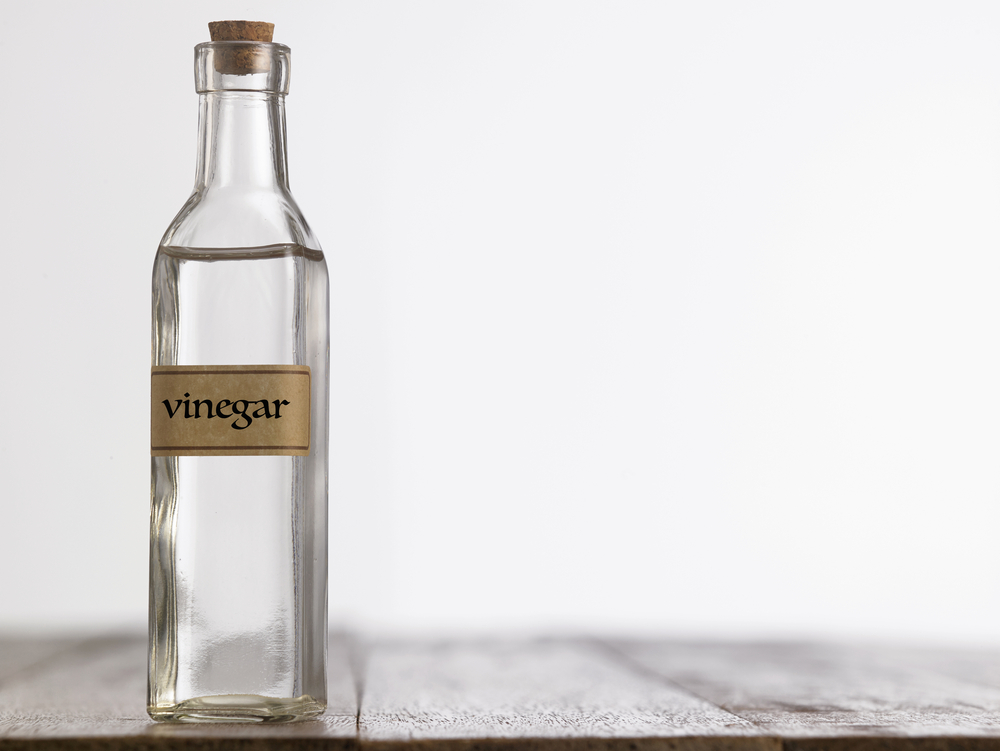
If you’re still uncertain after buying a piece, dab a small amount of white vinegar on a clean metal spot and wait 30 seconds.
Real copper, brass, and bronze will react visibly. Copper darkens almost immediately and may show a hint of green. Brass and bronze react more slowly but will show darkening.
Zinc, aluminum, and plated steel show little to no reaction in this short timeframe. This test is better as a home confirmation than an in-store test, but it’s useful when you’ve gotten a piece home and are still unsure.
Quick reference summary
The magnet and weight tests together will catch the majority of fakes before you even look closely at anything else. Add the scratch test for anything you’re seriously considering. For figurines specifically, cold-cast resin is the biggest trap and weight is your most reliable counter. Markings like EP, EPNS, and “Tone” confirm fakes; markings like “Solid Brass” and .999 confirm the real thing. When in doubt at home, the vinegar test gives you a quick read with no equipment needed.