A long-standing dispute over rental costs at a key Glasgow arts venue has reached a resolution, offering hope for the future of several cultural organizations that call the space home.
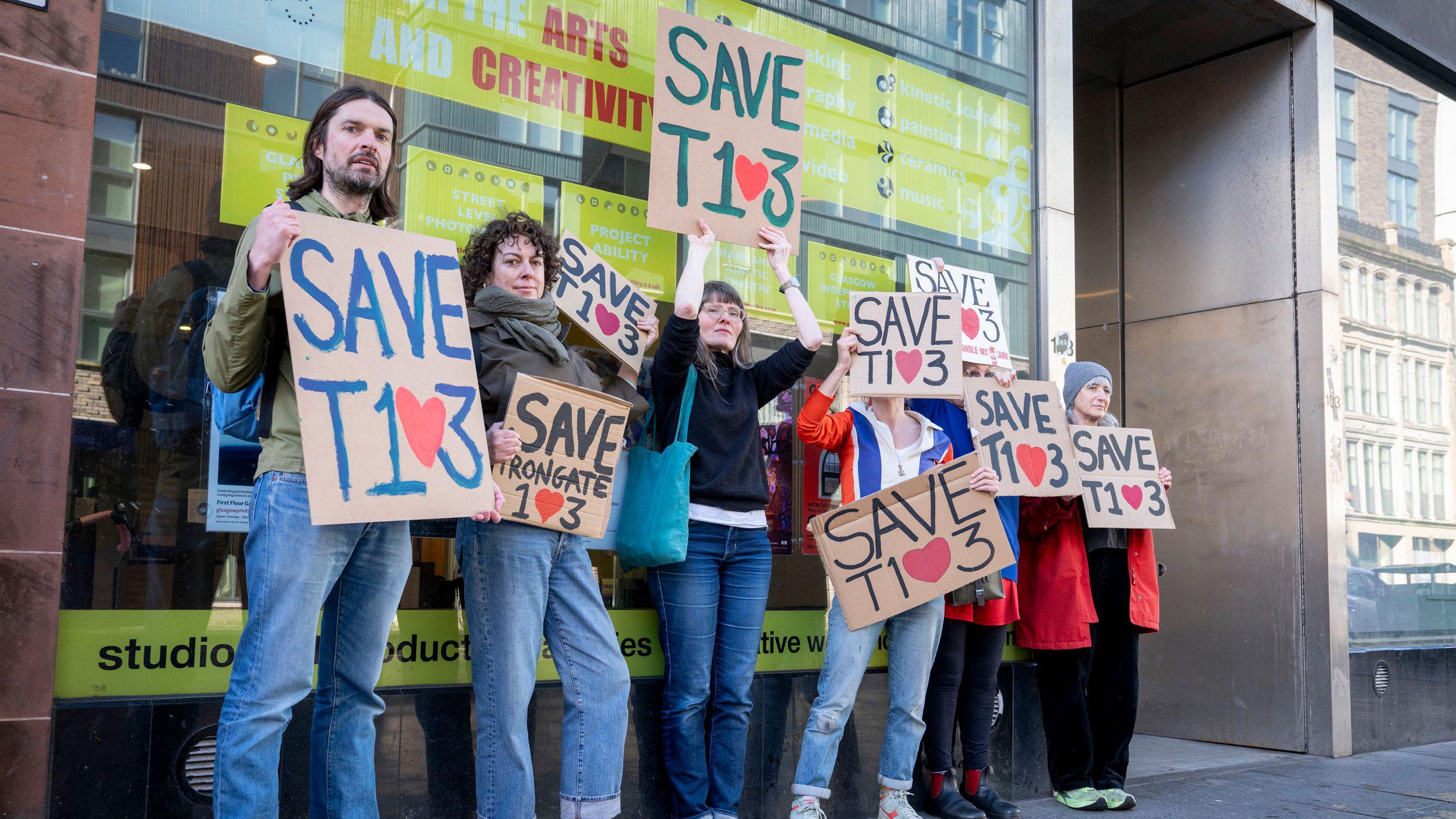
Trongate 103, which serves as a hub for various arts groups, recently announced that a meeting with local authorities had resulted in a “clear plan of support” aimed at addressing their financial challenges. The agreement comes after months of tension, as seven organizations faced the threat of eviction due to a proposed fourfold increase in rent at the city center location.
City Property, the Glasgow City Council body responsible for managing the building, defended its initial offer, stating that the terms proposed in February were still more affordable than commercial rates. However, the organizations involved have expressed concerns about the sustainability of the current arrangement.
The building is home to a variety of cultural entities, including the Glasgow Print Studio, Street Level Photoworks, Sharmanka Kinetic Theatre, Project Ability, Transmission, and the Glasgow Project Room. These groups have been vocal about their fears regarding the future of Trongate 103, particularly as it relates to the management structure and financial obligations.
In a statement, the organizations said: “There are a number of opportunities to explore in the coming months to help shape a long-term, sustainable future for Trongate 103. We look forward to working in partnership with Glasgow City Council and Glasgow Life to build a secure future for this vital cultural hub.”
Trongate 103 was originally established in 2009 as a not-for-profit arts space, housed in a former warehouse. Its funding came from Glasgow City Council and other supporting bodies. However, the way the building’s operations were managed has raised questions among the tenants, particularly regarding why it ended up under the City Property portfolio rather than being part of a charitable lease.
Initially, there was an intention to implement a 25-year charitable lease. However, for approximately 17 years, the rent was handled on a month-to-month basis, leading to uncertainty and instability for the organizations using the space.
City Property noted that the new proposed rent would be up to 12 times higher than current costs if a commercial organization were the tenant. One of the groups, the Glasgow Media Access Centre (GMAC), has already decided to leave the site, highlighting the growing pressure on the remaining tenants.
Trongate 103 shared positive feedback following a meeting with Bailie Annette Christie, the culture convener of Glasgow City Council. The discussion focused on creating a “viable long-term model” for the building. The council, led by a minority SNP administration, has proposed practical and financial support for the tenants until March next year.
Additionally, councilors are considering options to transfer the building from City Property’s portfolio back into council ownership. This move could provide greater stability and control over the future of Trongate 103.
Bailie Christie emphasized the importance of Trongate 103 as a cultural asset for Glasgow, stating: “Trongate 103 is a hugely important cultural asset for Glasgow, providing affordable and accessible space where artists, creative organisations and communities can thrive. This arrangement reflects our commitment to working in partnership to secure a financially sustainable, long-term future for the building. Culture is central to Glasgow’s identity, and we are determined to support it in practical and meaningful ways.”
Glasgow City Council and City Property have been contacted for further comment. As the situation continues to evolve, the focus remains on ensuring the survival and growth of this essential cultural space for the benefit of the community and the arts scene in Glasgow.