Shenzhen’s Robotics Industry Hits Record Highs in 2025
The robotics industry in Shenzhen has achieved a historic milestone, with its total output surging by 20% year-on-year to over 242 billion yuan (US$35.4 billion) in 2025. This remarkable growth was highlighted at the Fair Plus robotics trade show, where the focus shifted from flashy demonstrations to practical applications of robotic technology.
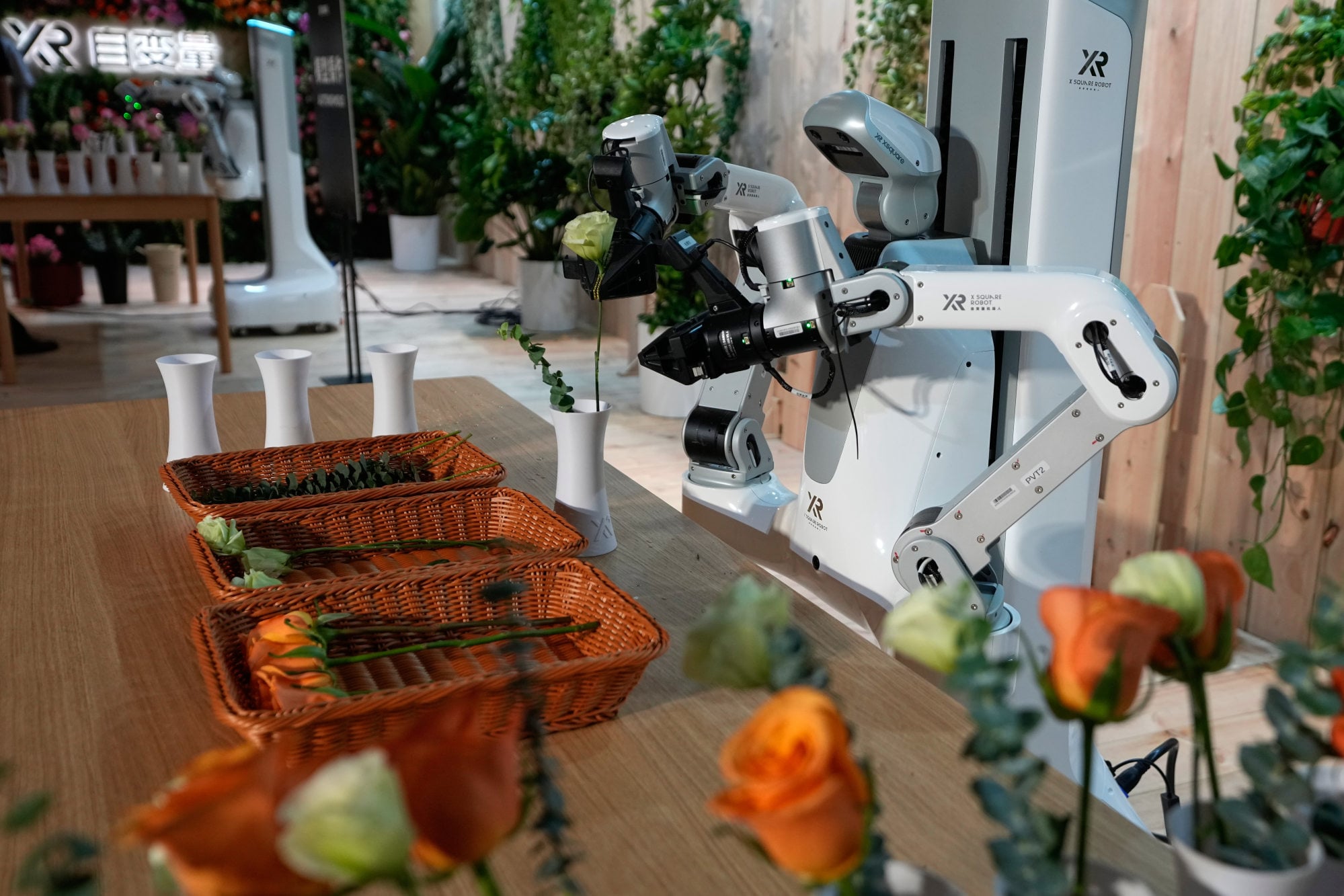
Inside the bustling aisles and booths of the event, robots were seen performing real-world tasks such as sorting supermarket stock, serving popcorn, and transporting large boxes. One standout exhibit was from Shenzhen-based X Square Robot, which showcased the capabilities of its wheel-based humanoids. Using the company’s self-developed Wall-A embodied foundation model, the robot successfully picked up rubbish from the floor and placed it in a bin.
In addition, the Quanta X1 Pro robot, currently deployed in on-demand cleaning services in homes across Shenzhen, demonstrated its ability to handle household chores like folding laundry and scooping cat litter. These advancements reflect the growing integration of robotics into everyday life.
According to a whitepaper released at Fair Plus, Shenzhen accounted for 43% of China’s total output of service robots, producing nearly 8 million units last year. The city also manufactured 194,900 industrial robots, making up a quarter of the national output. This places Shenzhen at the top nationally for both core categories of robotics.
The revenue of Shenzhen’s robotics industry cluster increased by 34% to 37.9 billion yuan last year. In terms of technological innovation, the city was home to 4,676 companies holding robotics-related patents in 2025, a nearly 20% increase from the previous year.
Embodied Intelligence: A New Frontier
Embodied intelligence, a branch of artificial intelligence that operates through a physical body, was identified for the first time by the Chinese government as a key future industry in a work report delivered at the annual legislative meeting in March. This recognition underscores the growing importance of this field in shaping the future of robotics.
Shenzhen has become a hotbed for robotics start-ups, nurturing some of the country’s leading innovators. Engine AI, for example, gained international acclaim for performing the world’s first front flip by a robot. UBTech, another notable player, became the first Chinese humanoid robot maker to go public in Hong Kong.
Supply Chain Advantages
The city’s world-leading hardware supply chain cluster plays a crucial role in accelerating the development of customised components. According to Yang Qian, chief operating officer of X Square, custom parts can be delivered in days, compared with months overseas. This efficiency significantly reduces the costs and time needed for product iteration, making Shenzhen an attractive hub for robotics manufacturing.
Yang added that the local government is actively supporting the opening of industrial, retail, and community scenarios for robot deployment. This initiative enables robotics firms to test products and iterate models quickly, fostering a dynamic environment for innovation.
X Square is preparing to expand its home robot line-up next month, with an upgraded humanoid powered by its next-gen Wall-B foundation model. This development highlights the company’s commitment to pushing the boundaries of robotic technology.
Future Prospects
As Shenzhen continues to solidify its position as a global leader in robotics, the city’s success story serves as a testament to the power of innovation, strategic planning, and a robust supply chain. With continued investment and support, the future of robotics in Shenzhen looks brighter than ever.