Workers Across Europe Face Growing Challenges
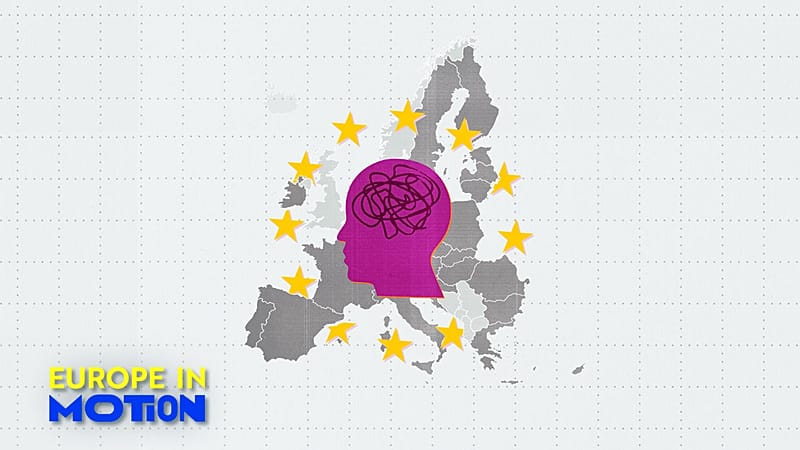
Workers across Europe are under constant pressure, caught amid geopolitical crises that ramp up the cost of living and automation that threatens to chip away at jobs. As a result, many individuals are turning to therapy as a way to manage stress and prevent burnout. A report by Eurofound, the EU’s agency focused on improving working conditions, highlights the challenges people face in accessing mental health support.
The findings from the report are sobering. The average cost of a handful of private therapy sessions, typically lasting between 45 and 60 minutes, can, in some cases, eat up an entire monthly minimum wage. This has led to concerns about the affordability of mental health care for many workers across the continent.
Where Is Therapy the Cheapest in Europe?
Starting with the good news, France and Spain emerge as two of the most affordable countries for therapy. In France, not only is the cost of a private session relatively low — usually between €50 and €80 — but the public healthcare system covers up to 60% of the cost, capped at €50. The rest is typically picked up by private insurance, for those who have it.
In Spain, prices can dip even lower, with a private session costing up to €70. Private insurance — covering about one in four Spaniards — usually reimburses between 15 and 20 sessions. This makes therapy more accessible for many individuals in the country.
Who Has the Highest Therapy Costs Compared to Salaries?
Germany tells a different story. According to Eurofound, private insurance doesn’t cover psychotherapy sessions. A single appointment can set patients back €100 to €150, and 10 sessions can swallow anywhere from two-thirds to an entire salary on minimum wage.
Romania seems to be the extreme case. The cost of 10 private sessions can match or even end up being two and a half times the monthly minimum wage. The report notes that private sessions aren’t covered by private insurance. Greece shows a similar picture. Ten sessions can add up to as much as 170% of a monthly minimum wage, although in some cases, private insurance may chip in.
Do Private Health Insurance Plans Cover Therapy?
In most cases, yes. Denmark also ranks among the most expensive, with costs reaching up to 175%. However, around 40% of the cost is reimbursed by the state, with an additional share often covered by a supplementary insurance, which reaches nearly three million people.
All things considered, Ireland may be one of the European countries where therapy is most accessible. Not only are session costs reasonable — between €60 and €90 — but when you stack them up against local wages, 10 private sessions come in at around 32% to 48% of a monthly minimum salary, with part of the bill often covered by health insurance.
Which Workers Are Most at Risk of Burnout and Why?
Negative working conditions, like job insecurity, harassment, clashing demands, and excessive workloads, can all take a toll on mental health. Some sectors are hit harder than others, especially those involving direct contact with customers.
According to Eurofound, the highest rates of people who report feeling often or always emotionally exhausted were found among healthcare and social workers, with 24.5%. These workers often deal with high-stress environments and long hours, making them particularly vulnerable to burnout.
Does Hiding Emotions Contribute to Exhaustion?
One of the things that most contributes to stress for health workers is hiding their emotions “most or all the time,” according to the agency’s research. This emotional suppression can lead to increased levels of exhaustion and mental fatigue.
Accommodation and food services are the second-most mentally drained category of professionals, with nearly 23% of respondents affected. Here, the fast-paced environment is the main source of stress, with employees struggling with high speed and tight deadlines.
Educators are third with around 20% feeling mentally exhausted. Similarly to health workers, many feel forced to hide their feelings. At the same time, the lowest proportions of those at risk of exhaustion were found among IT (13.1%) and public administration (14.1%) professionals.