A Vision for African Energy Independence
Kenya’s President William Ruto recently highlighted the critical role of African leadership in addressing energy challenges on the continent. His remarks at an infrastructure summit in Nairobi underscored the importance of self-reliance and the potential of African-led solutions to overcome long-standing issues like fuel scarcity.
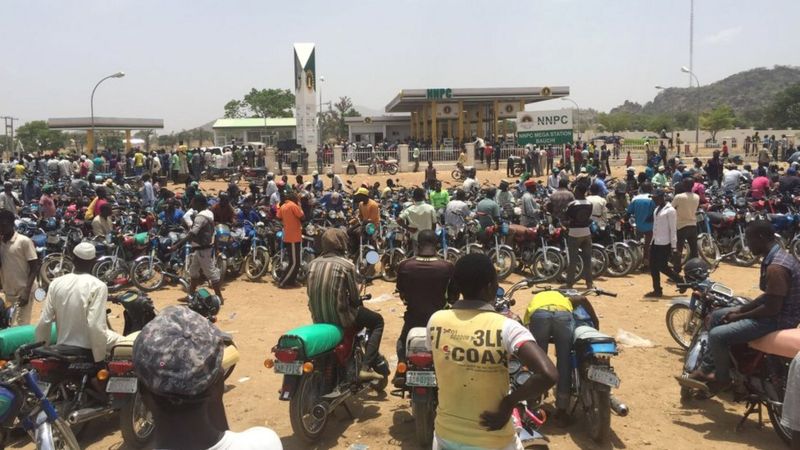
Ruto pointed to Nigeria as a prime example of how oil-rich nations can still face severe fuel shortages. “Nigeria has been a producer of oil for all the years that we know. Yet, when you went to Nigeria, there were queues of people looking for fuel in petrol stations for a long time,” he said. He credited Aliko Dangote, one of Africa’s most prominent business leaders, for stepping in and building a refinery that helped alleviate these challenges.
This example served as a powerful reminder that Africa possesses the human and financial resources needed to solve its own problems, without relying on external support from Europe or Asia. Ruto emphasized this point during his speech, urging regional leaders, industrialists, and financiers present at the summit to act swiftly.
“The solution wasn’t in Europe or Asia. The solution was in Nigeria for a problem that disturbed Nigeria for years,” Ruto stated. He added, “I dare say, ladies and gentlemen, we have in this room the political leadership, we have the industrialists, we have the financials to transform our continent and we must waste no time looking any further.”
A New Refinery Model for East Africa
The Kenyan president is advocating for a new refinery project in East Africa, modeled after the successful Lagos facility. This initiative aims to address energy shortages across the region by leveraging local expertise and investment. Dangote, who was present at the summit, expressed his support for the proposed East African refinery if regional governments commit their backing.
The Nigerian National Petroleum Company Limited had long promised to rehabilitate the country’s four public refineries in Port Harcourt, Warri, and Kaduna. However, repeated maintenance efforts yielded little success, forcing private investors to step in and fill the gap.
Despite these efforts, critics argue that fuel supply and pricing pressures have not fully eased in Nigeria since the Dangote refinery came online. Pump prices remain high for many Nigerians, raising questions about the long-term effectiveness of such projects.
The Path Forward
Ruto’s call for African-led solutions highlights the need for greater collaboration and investment in the continent’s energy sector. By focusing on local initiatives, African nations can reduce their dependence on foreign markets and build more resilient energy systems.
The proposed East African refinery represents a significant opportunity to create jobs, stimulate economic growth, and improve access to affordable fuel. It also serves as a model for other countries facing similar challenges.
However, the success of such projects will depend on sustained government support, private sector participation, and effective policy frameworks. Addressing these challenges requires a coordinated effort from all stakeholders.
Challenges and Opportunities
While the Dangote refinery has brought some relief to Nigeria, it has not entirely resolved the country’s fuel crisis. High pump prices and supply disruptions continue to affect consumers, indicating that more needs to be done to ensure stable and affordable energy access.
In this context, the proposed East African refinery offers a promising alternative. By learning from past experiences and incorporating best practices, the project could serve as a blueprint for future energy initiatives across the continent.
As Ruto emphasized, the key to Africa’s energy future lies in its ability to harness its own resources and talent. With the right strategies and commitments, the continent can overcome its energy challenges and build a more sustainable and prosperous future.