President William Ruto Defends Kenya’s High Fuel Prices Amid Public Outcry
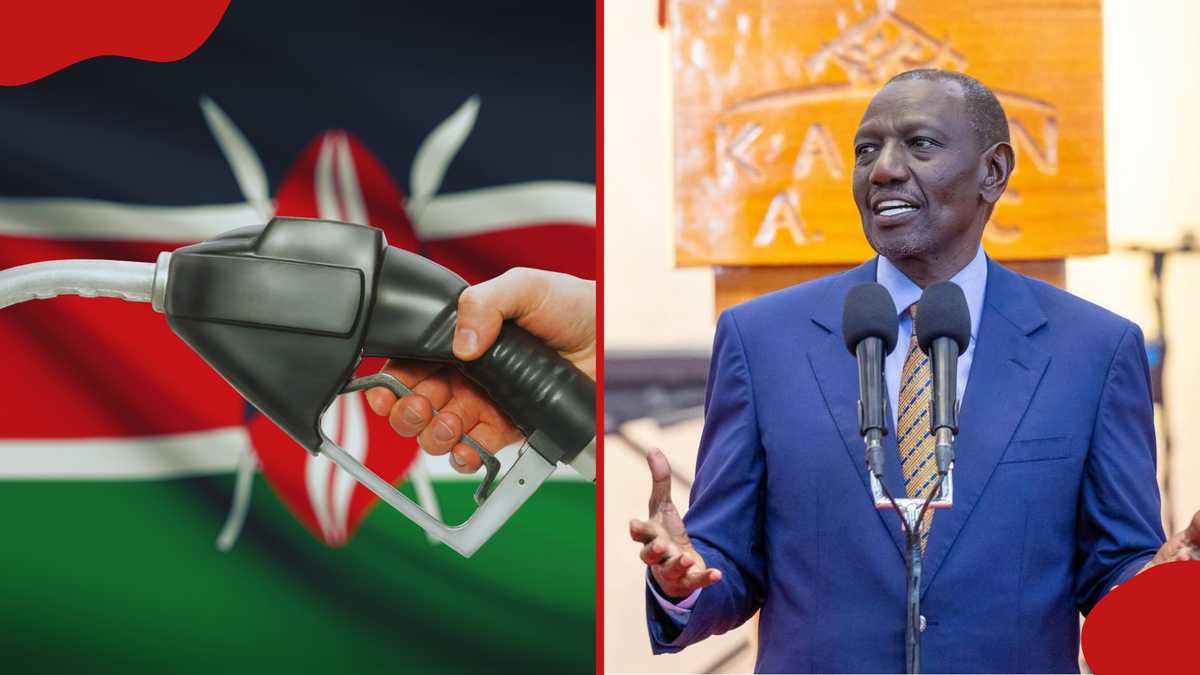
President William Ruto has defended Kenya’s high fuel prices in the face of widespread public discontent over recent increases. The president emphasized that the cost of fuel is closely tied to the country’s infrastructure needs and road maintenance levies.
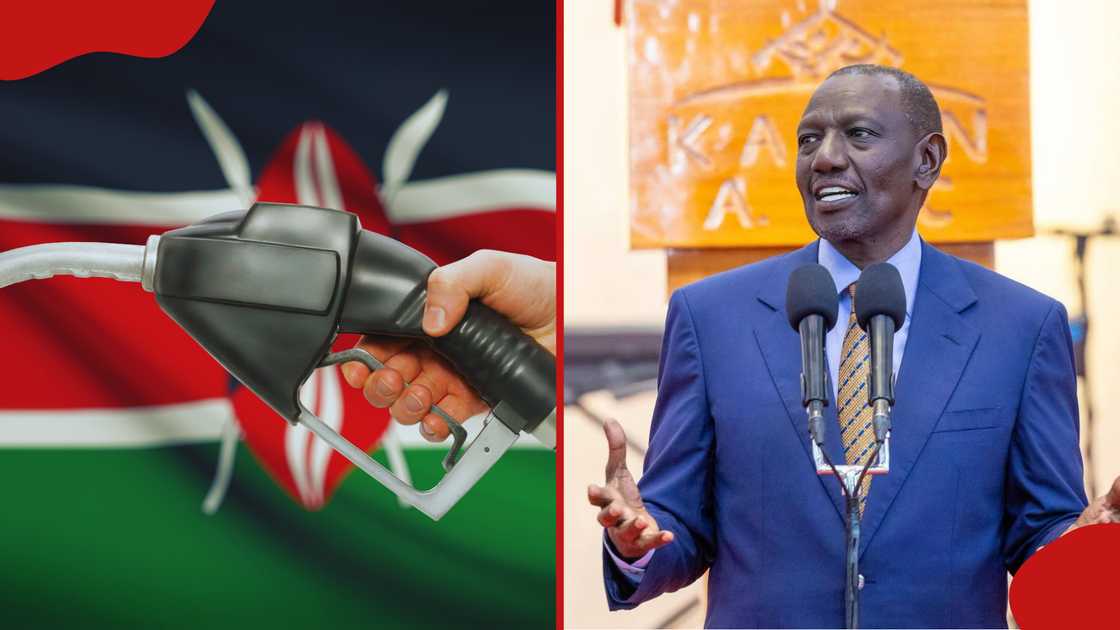
During a church service in Karen on Sunday, April 19, Ruto stated that the recent rise in fuel prices aligns with Kenya’s status as a low- and middle-income country (LMIC). He acknowledged the concerns raised by Kenyans about why fuel prices in neighboring countries like Tanzania and Uganda are lower than in Kenya.
Why Fuel Prices Are Higher in Kenya Than in Uganda
In his speech, Ruto explained the disparity in fuel prices between Kenya and its neighbors within the East African Community. According to the president, Kenya is not comparable to its neighbors, who are among the least developed countries.
“I know many people in Kenya keep asking why it is that sometimes the prices of fuel are different in Kenya from our neighbours. Kenya is a middle-income country. Our neighbours are the least developed countries. There is a big difference. If you want to compare Kenya fairly with others, compare Kenya with other middle-income countries,” Ruto said.
He argued that Kenya should only be compared to other middle-income countries rather than its less developed neighbors.
What Contributes to High Fuel Prices in Kenya?
Ruto attributed the higher fuel prices to road maintenance levies, which make up a significant portion of the cost. He highlighted that Kenya’s 20,000 km of tarmac roads surpass the combined networks of all other East African countries, including Uganda and Tanzania.
The president clarified that fuel taxes are used for transport infrastructure, which supports the economy by improving connectivity, trade, and mobility.
“Kenyans need to understand that we currently maintain over 20,000 kilometres of tarmac roads across the country and have another 6,000 kilometres under construction,” he said.
How Can the Government Reduce Fuel Prices by KSh 27?
As reported earlier, when the Energy Petroleum Regulatory Authority (EPRA) released new fuel prices on April 14, Kenya emerged as the country paying the most for fuel in the East African region. The prices announced by EPRA were higher than those in Tanzania, Uganda, and Rwanda.
On April 15, Kiharu MP Ndindi Nyoro criticized the recent fuel price hikes, specifically KSh 28.69 for super petrol and KSh 40.30 for diesel. The Kiharu lawmaker, citing the country’s 400 million litre monthly fuel consumption, urged a review of fuel pricing. He called for the removal of the KSh 7 fuel levy added in 2024 and a 5% VAT reduction, which he estimates would lower prices by KSh 8.
Nyoro proposed that the government use KSh 5 billion from the Fuel Stabilisation Fund, which he claims will save an additional KSh 12. He argued that this would reduce fuel prices by a total of KSh 27, alleviating the burden of high fuel costs for Kenyans.