Nigeria’s Bilateral Debt Rises, Highlighting Growing Reliance on Foreign Lenders
Nigeria’s bilateral debt stock increased significantly in 2025, rising by $634.34 million. This growth saw loans owed directly to other countries increase from $6.09 billion in 2024 to $6.72 billion at the end of 2025. The data was released by the Debt Management Office (DMO) and reflects a year-on-year increase of 10.42%. Despite this rise, the share of bilateral debt in Nigeria’s total external debt slightly decreased from 13.30% in 2024 to 12.97% in 2025. This indicates that other forms of external debt grew at a faster pace during the year.
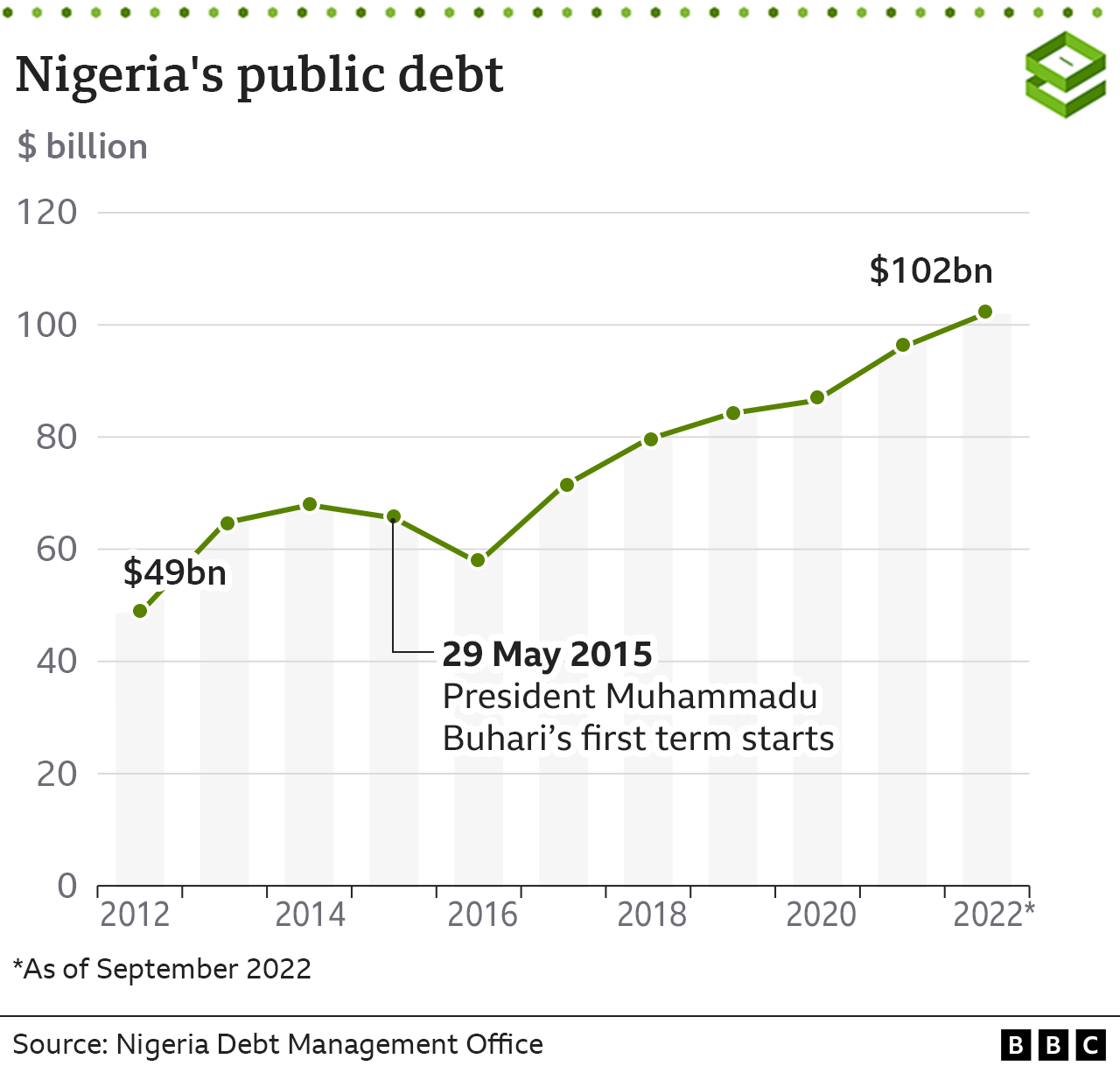
The country’s total external debt also increased, reaching $51.86 billion in 2025, up from $45.78 billion in 2024—a rise of $6.08 billion or 13.27%. This significant growth highlights the increasing financial obligations Nigeria faces as it continues to borrow to fund various development projects and meet its economic needs.
Key Contributors to the Rise in Bilateral Debt
Among the major contributors to the increase in bilateral debt, France and the China Development Bank stood out. Loans from France, through the Agence Francaise de Developpement, surged by $318.83 million, climbing from $592.60 million in 2024 to $911.43 million in 2025—an impressive 53.80% increase. Meanwhile, debt owed to the China Development Bank more than doubled, rising by $262.66 million from $254.71 million to $517.37 million, representing a 103.12% increase.
Together, these two creditors accounted for $581.49 million of the $634.34 million increase in bilateral debt, or approximately 91.66% of the total rise. Japan also contributed to the increase, with credit through the Japan International Cooperation Agency rising sharply by $77.53 million, from $53.31 million in 2024 to $130.84 million in 2025, marking a 145.43% increase.
However, not all bilateral creditors experienced growth. Debt owed to the Exim Bank of China fell marginally by $570,000, from $5.06464 billion to $5.06407 billion. Despite this small decline, the Exim Bank of China remained Nigeria’s largest bilateral creditor, accounting for about 75.31% of total bilateral debt in 2025. India’s Exim Bank exposure also declined by $6.04 million, while Germany’s Kreditanstalt Fur Wiederaufbau fell by $18.07 million.
Concentration of Debt Among Chinese Lenders
The data revealed a heavy concentration of bilateral debt among Chinese lending institutions. When combined, the Exim Bank of China and the China Development Bank accounted for $5.58 billion in debt at the end of 2025, compared to $5.32 billion in 2024. This means that Chinese bilateral creditors made up approximately 83% of Nigeria’s bilateral debt stock in 2025.
Beyond bilateral loans, multilateral debt remained the largest component of Nigeria’s external obligations. It increased from $22.32 billion in 2024 to $23.85 billion in 2025. Eurobond debt also rose, from $17.32 billion to $18.55 billion, while other commercial loans surged from $54.87 million to $2.73 billion, largely due to syndicated project loans.
Rising Concerns Over Debt Sustainability
Recent developments have raised concerns about Nigeria’s growing debt burden. The Federal Government is in advanced discussions with the Export-Import Bank of China for a $2 billion facility to finance a new electricity super grid. This could further increase Nigeria’s exposure to Chinese lenders.
Meanwhile, the Emir of Kano, Muhammadu Sanusi II, and the Presidency have exchanged words over the country’s rising debt. Sanusi, a former Governor of the Central Bank of Nigeria, criticized the government’s reliance on loans despite the removal of petrol subsidies. He warned that weak fiscal discipline could undermine the benefits of recent reforms.
Sanusi highlighted concerns over the sequencing and execution of key economic reforms, including the removal of fuel subsidies and foreign exchange liberalization. “We’ve removed the subsidy. We’re now spending it. What we should not see is fiscal indiscipline,” he said. He also questioned why Nigeria continues to support foreign refineries while its own refineries remain non-functional.