The Rise of AI in the Beauty Industry
The beauty industry is experiencing a significant boom, especially during times of economic uncertainty. This trend has been dubbed the ‘lipstick effect,’ where consumers tend to purchase small, affordable luxuries like cosmetics even when the economy is struggling. However, the current landscape of the global beauty market, valued at £525 billion annually, is now being shaped by another phenomenon known as the ‘Nvidia effect.’ This term reflects the role of the American tech giant Nvidia in powering the artificial intelligence (AI) systems that are revolutionizing the sector.
AI: A Game-Changer for Beauty Giants
Artificial intelligence is enabling major players in the beauty industry, such as Estee Lauder and L’Oreal, to innovate and stay competitive. AI technology is streamlining product development, allowing companies to bring new products to market faster. For instance, the time required to develop a perfume can be reduced by 30 to 50 percent, while new moisturizers can now be created in months rather than years. Additionally, AI helps these companies keep up with emerging trends, such as the popular K-Beauty movement, which emphasizes South Korean skincare techniques.
Carolyn Bell, manager of Stonehage Fleming’s Global Best Ideas fund, which invests in L’Oreal, noted that when the ‘glass skin’ trend emerged from South Korea—characterized by a translucent, poreless look—L’Oreal was able to adjust its existing products to align with this new preference.
Evolving Trends and Consumer Behavior
The ‘cloud skin’ style is reportedly gaining traction as a new trend, highlighting the need for the beauty sector to remain relevant to a broader age range of consumers. Historically, women born between 1946 and 1964 typically began using cosmetics after their 18th birthday. However, recent studies suggest that interest in skincare can start as early as eight years old, influenced by the rise of child influencers on social media.
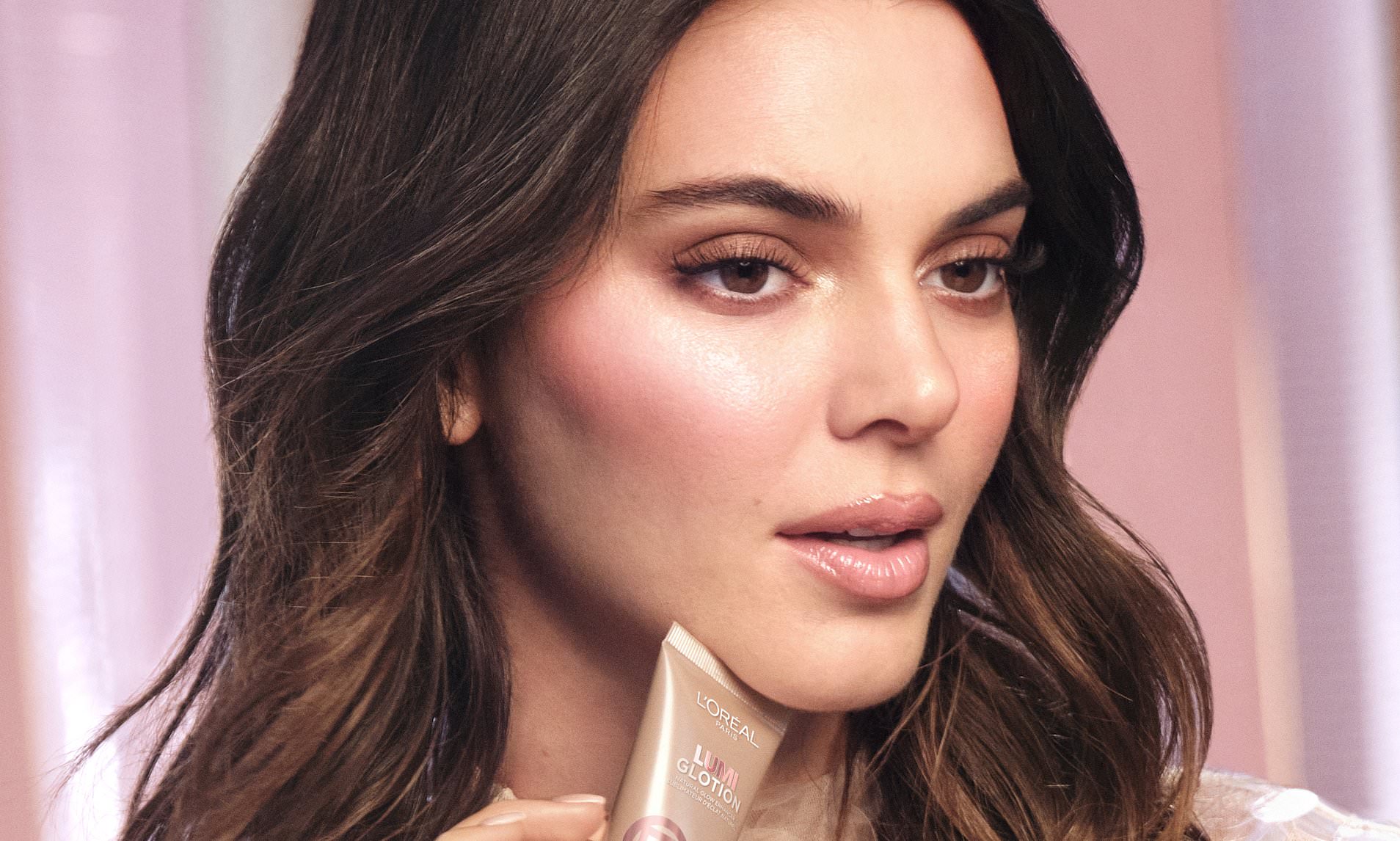
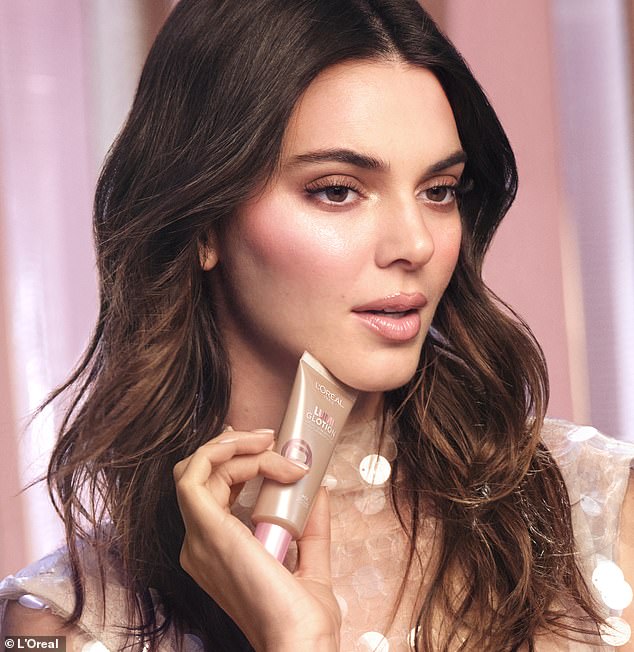
L’Oreal, founded in 1909 and endorsed by model Kendall Jenner, recently partnered with Nvidia, a company just 33 years old, to leverage AI in its operations. This partnership is part of a growing trend where cosmetics conglomerates are collaborating with tech startups from Silicon Valley.
Collaborations and Innovations
Estee Lauder, an 80-year-old US-based group known for brands like Clinique and Jo Malone, is working with Microsoft and OpenAI, the owner of the ChatGPT bot. Meanwhile, Unilever, which is spinning off its food division to focus more on beauty, has partnered with Google Cloud.
L’Oreal’s collaboration with Nvidia initially focused on marketing but has now expanded into research and development. According to Bell, Nvidia’s Alchemi innovation tool enhances the capabilities of L’Oreal’s 4,000 scientists, accelerating research and reducing costs.
Last week, L’Oreal reported its strongest quarterly sales in two years, attributing this success to the ‘lipstick effect.’ Earlier this month, UK firm The Beauty Tech Group celebrated a ‘transformational year,’ highlighting the demand for its £400 LED masks that address skin issues.
AI in Skincare and Future Prospects
The company’s CEO, Laurence Newman, stated that The Beauty Tech Group works with Manchester University’s School of Dermatology to use AI for gaining insights into different types of skin and hair, and how devices can adapt to individual needs. He added that while currently AI is used to improve decision-making, future applications will involve analyzing clinical study results to determine the effectiveness of devices.
The adoption of AI by UK, US, and European companies has been driven by the success of K-Beauty firms like APR. The firm’s share price has surged over 500% in the past year due to its Medicube AGE-R devices, which have been promoted by Kylie Jenner on TikTok. These gadgets, enhanced by AI, aim to maximize skincare efficacy, with 6 million units sold so far. Newer models even include an AI mode that analyzes skin condition.
Amorepacific, another K-Beauty company, has seen a 15% increase in shares over the past year as it embraces AI to create personalized creams and devices. The firm offers AI labs in its stores where robots mix bespoke products tailored to customers’ skin.
The Influence of K-Beauty and AI
K-Beauty’s rapid growth has been fueled by the popularity of unusual natural ingredients in its products, such as bee venom, salmon sperm, and snail mucin. However, its true success has been driven by AI, a strategy that Western rivals are now closely following.