The Changing Landscape of Higher Education
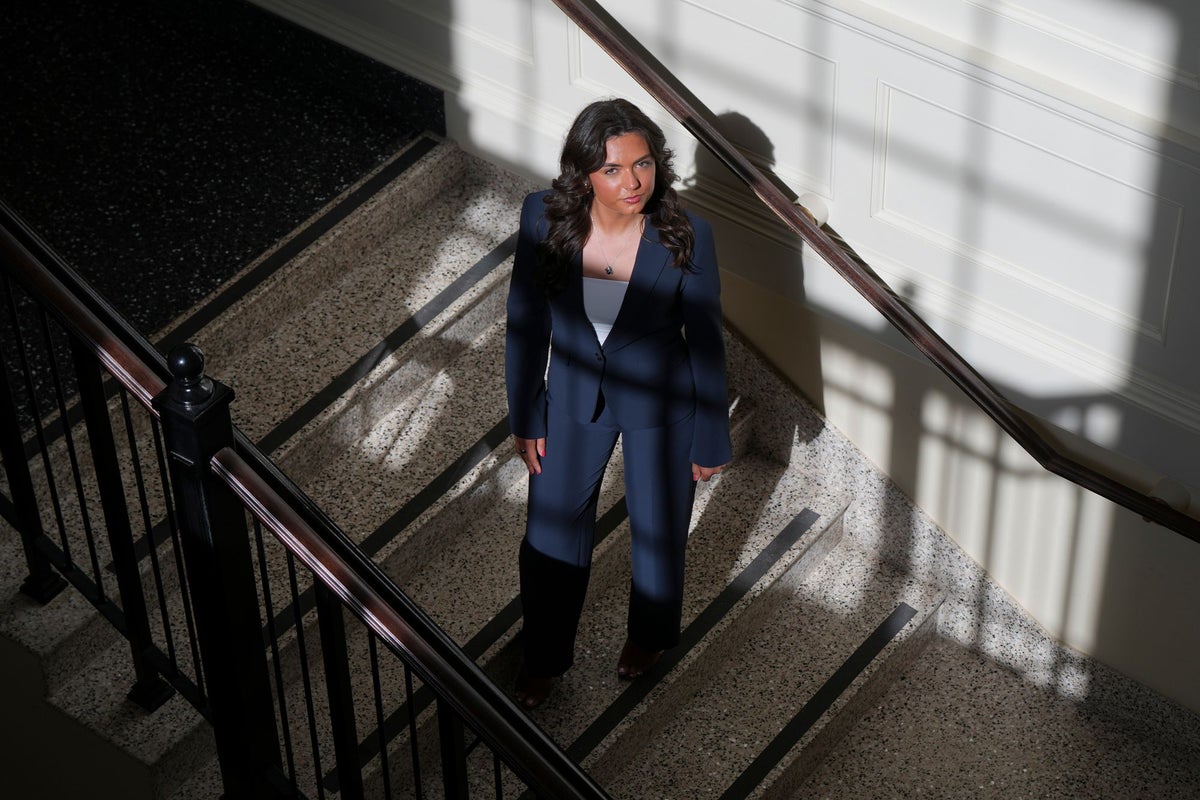
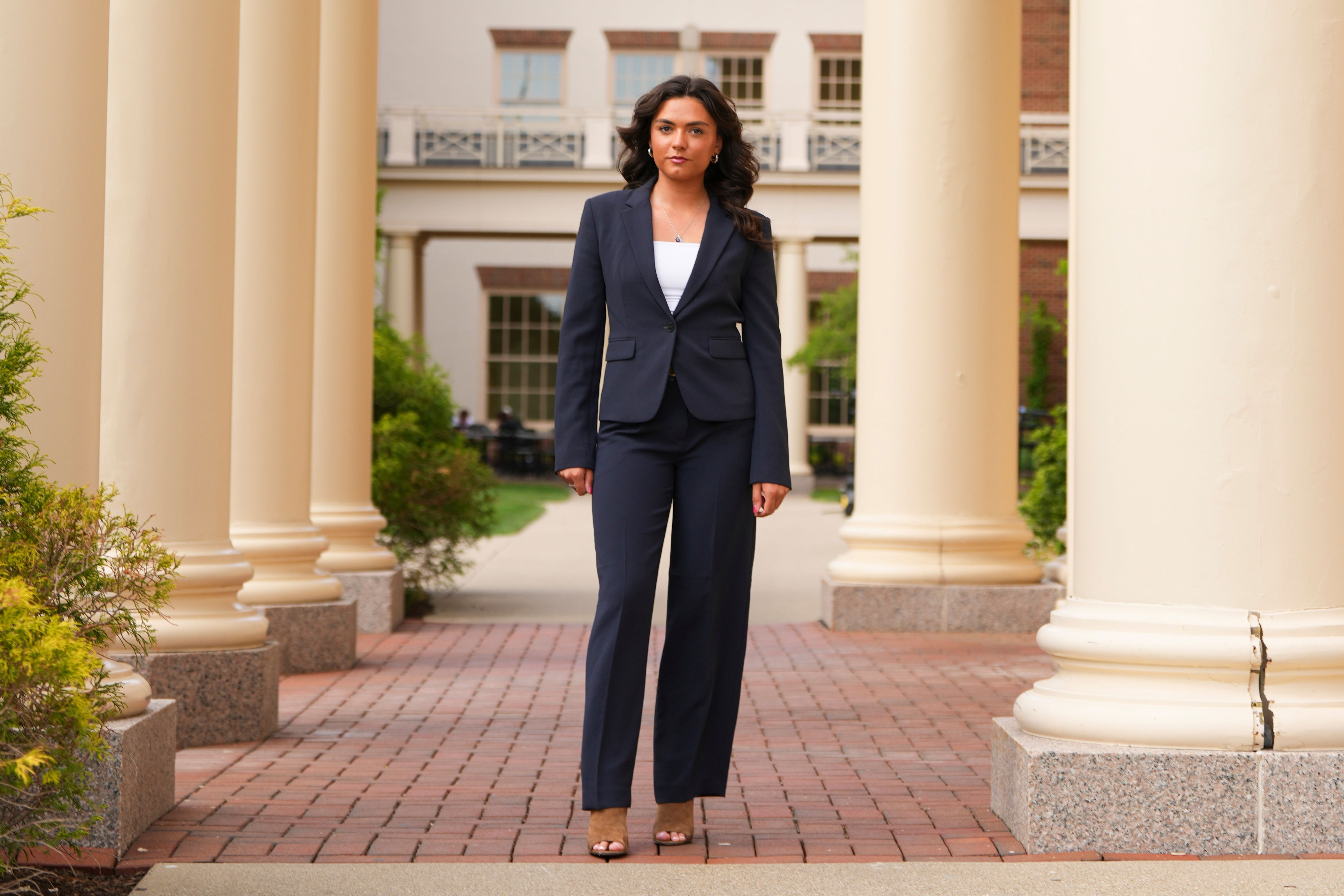
Two years ago, Josephine Timperman had a clear plan when she started college. She declared a major in business analytics, believing that learning niche skills would give her an edge in the job market and lead to a successful career after graduation. However, the rapid rise of artificial intelligence has disrupted those plans. Skills such as statistical analysis and coding—once seen as valuable assets—are now being automated with ease.
“Everyone has a fear that entry-level jobs will be taken by AI,” said the 20-year-old at Miami University in Ohio. In response, Timperman recently switched her major to marketing. Her new strategy is to focus on building critical thinking and interpersonal skills—areas where humans still hold an advantage.
“You don’t just want to be able to code. You want to be able to have a conversation, form relationships, and be able to think critically, because at the end of the day, that’s the thing that AI can’t replace,” she explained. While she is keeping analytics as a minor, she plans to dive deeper into the subject for a one-year master’s program.
Today’s college students are increasingly aware that choosing a major that is “AI-proof” feels like trying to hit a moving target. As they prepare for a job market that could look completely different by the time they graduate, many are rethinking their career paths.
Students Reassessing Career Paths
A recent poll by the Institute of Politics at the Harvard Kennedy School found that about 70% of college students see AI as a threat to their job prospects. This concern is echoed in Gallup polling, which shows U.S. workers are growing more worried about being replaced by new technologies.
Students are increasingly seeking majors that teach ‘human’ skills, such as communication, creativity, and problem-solving. These areas are seen as less likely to be automated. A Quinnipiac poll revealed that the vast majority of Americans believe it is “very” or “somewhat” important for college students to learn how to use AI. However, students studying healthcare and natural sciences may be less affected by AI overhauls, according to Gallup.
“We see students all the time change majors. That’s not new or different. But it’s usually for a ton of different reasons,” said Courtney Brown, a vice president at Lumina, an education nonprofit focused on increasing the number of students who seek education beyond high school. “The fact that so many students say it’s because of AI — that is startling.”
A Gallup poll of Generation Z youth and adults, between the ages of 14 and 29, found increasing skepticism and concerns about AI. Although half of Gen Z adults use AI at least “weekly,” and teenagers report higher use, many in this generation see drawbacks to the technology and worry about its impact on their cognitive abilities and job prospects. About half — 48% — of Gen Z workers say the risks of AI in the workforce outweigh the possible benefits.
Navigating Uncertainty
One of the biggest challenges for college students is that the experts they typically turn to for advice—such as advisers, professors, and parents—don’t have clear answers. “Students are having to navigate this on their own, without a GPS,” says Brown.
This uncertainty was evident last month at Stanford University, where leaders of several prominent universities gathered for a panel discussion on the future of higher education. Topics of concern included the AI revolution that is transforming how students learn and forcing educators to rethink pedagogy.
“We need to think really hard about what students need to learn to be successful in the job market in 10, 20, 30 years,” said Brown University President Christina Paxson. “And none of us know. We don’t know the answer to that. I think it’s communication, it’s critical thought. The fundamentals of a liberal education are probably more important than learning how to code in Java right now.”
Anxiety Among Computer Science Majors
Even computer science majors are feeling the pressure. Ben Aybar, 22, graduated last spring from the University of Chicago and applied for about 50 jobs, mostly in software engineering, without getting a single interview. He pivoted to a master’s degree in computer science and meanwhile has found part-time work doing AI consulting for companies.
“People who know how to use AI will be very valuable,” said Aybar, who sees new jobs emerging that require AI skills, particularly for people who can explain the complexities in layman’s terms. “Being able to talk to people and interact with people in a very human way I think is more valuable than ever.”
At the University of Virginia, data science major Ava Lawless is wondering if her major is worthwhile but can’t get concrete answers. Some advisers feel that data scientists will be safe because they’re the ones building AI models, but she keeps seeing gloomy job reports that indicate the contrary.
“It makes me feel a bit hopeless for the future,” Lawless said. “What if by the time I graduate there’s not even a job market for this anymore?” She is considering switching to studio art, which is her minor.
“I’m at a point where I’m thinking if I can’t get a job being a data scientist, I might as well pursue art,” she said. “Because if I’m going to be unemployed, I might as well do something I love.”