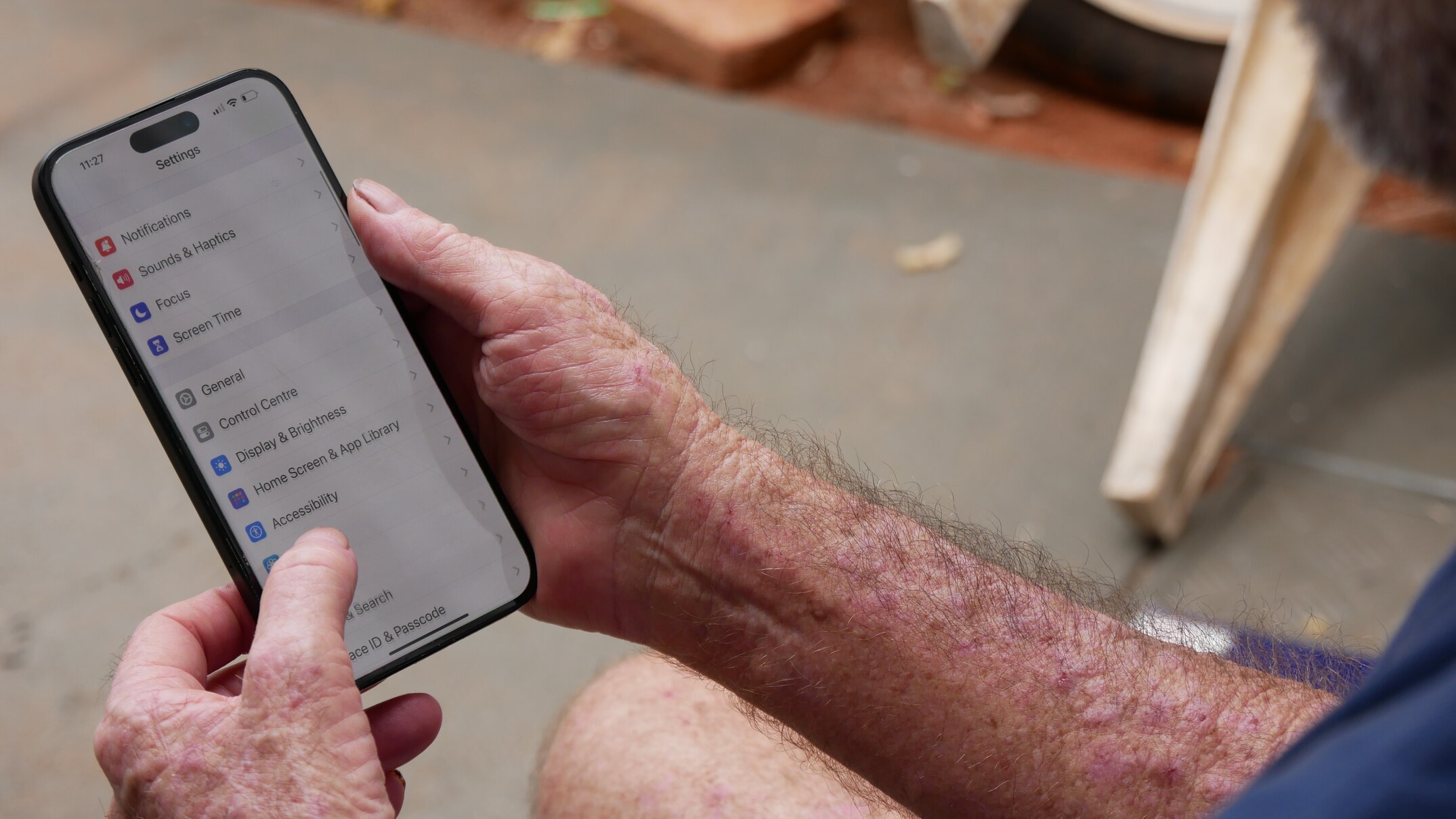
The Rise of Digital Drivers Licences in Western Australia
Western Australia is set to roll out a new digital drivers licence system, with a trial beginning in mid-2027 and a full rollout expected by the end of the year. While this initiative has been praised for its convenience, cybersecurity experts have raised concerns about potential risks to privacy and data security.
Cybersecurity Concerns
Dr Reza Ryan from Curtin University has expressed worries about the centralised nature of the database that will store these digital licences. He warned that if the system were to be hacked, it could expose sensitive personal information about all users. “If they hack that centralised system, they can get access to all the information about the people,” he said. “The system could eventually be used for broader surveillance and to track individuals.”
Dr Ryan also pointed out that many existing Australian digital licenses do not meet international security standards, making them more vulnerable to fraud. He emphasized the need for robust data protection technology before the system can be rolled out on a large scale.
Security Measures and Their Limitations
The ServiceWA app, which will store the digital licence, uses “on-app holograms” as a security measure to prevent forgery. However, Dr Ryan cautioned that these holograms could be faked using artificial intelligence if verifiers rely only on visual checks rather than scanning a QR code. “In other states, which focused on the on-app holograms, [these] can be easily faked using generative AI,” he said.
He also highlighted the importance of addressing public concerns about data safety. “We need to make sure we have some control in place to make sure people are also comfortable to use it,” he added.
Positive Perspectives
Despite these concerns, Paul Haskell-Dowland, a cybersecurity professor at Edith Cowan University, believes the benefits of digital licences outweigh the risks. “I think digital licenses are generally a positive idea — the idea that you don’t have to carry a physical piece of plastic with you,” he said.
Professor Haskell-Dowland noted that smartphones are equipped with effective security measures, such as facial recognition, fingerprint scanning, or PIN codes. “Your wallet can be stolen just as easily as your mobile phone … the chances are if this is something that will be running on smart devices, most users will be having some kind of authentication barrier to accessing the device,” he explained.
However, he acknowledged that there are still questions about the security of the centralised data. “We don’t want rogue individuals being able to access the Department of Transport website, for example, and being able to clone or download your driver’s licence to their own devices,” he said.
Government Promises and Funding
Western Australia is the latest state to join the digital drivers licence rollout. The government has allocated over $28 million for the initiative, with a trial starting in mid-2027 and a full rollout planned by the end of the year.
Australia began introducing digital drivers licences in 2017 in South Australia, followed by a statewide rollout in New South Wales in 2019. Queensland and Victoria followed in 2023 and 2024, respectively.
Assistant Transport Minister Jessica Stojkovski stated that the digital licence would be an optional choice for those who feel it suits their circumstances. Physical licences will remain available for the foreseeable future.
Science and Innovation Minister Stephen Dawson claimed that Western Australia would “leapfrog over other states” to deliver safety standards that meet international and national security requirements.
Ms Stojkovski admitted that there may be “teething issues” during the initial rollout but stressed that managing the “security aspect” was crucial. She also mentioned that minimizing the risk of data breaches, which have occurred in other Australian states, was a key reason for the delayed implementation.
Public Reaction
Public opinion on the digital licence rollout is mixed. Some Western Australians, like Kabo Masimege, are resistant to the idea until the government ensures secure systems and policies. “Especially until the government finds ways to create systems and policies to verify and secure cybersecurity,” he said.
On the other hand, students like Charlotte Bradshaw see the digital licence as a convenient solution. “I lose my drivers licence all the time and the easy access would be amazing,” she said. “All my friends and I are always crying: ‘I can’t find my ID.’”
The ServiceWA app allows users to choose what personal information they provide, with a feature that hides unnecessary details when presenting the licence for identification purposes.