The Power of Emily Dickinson’s Poetry
Could I but ride indefinite
As doth the meadow-bee
And visit only where I liked,
And no man visit me,
I’d soar above the verdant hills,
In search of hidden glades,
Where sunlight filters through the trees,
And dances in the shades.
The breeze would be my constant friend,
The sky my boundless roof,
And in the hush of nature’s breath,
I’d find my living proof.
For in the silence of the wild,
My soul would find its peace,
A gentle, endless wandering,
Where all my cares would cease,
In nature’s vast embrace,
My heart’s true, quiet lease.
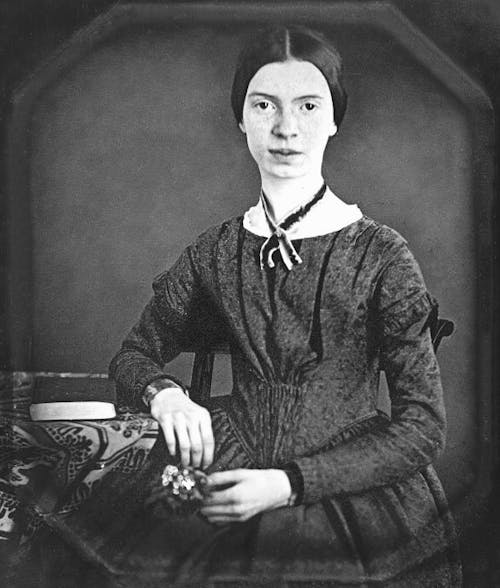
Emily Dickinson’s poetry is known for its emotional depth and vivid imagery. Her work is often described as original, evocative, and full of subtle rhymes that flow smoothly from one image to the next. Many people might assume these lines were written by Dickinson herself, but only the first four lines are her own. The rest were generated by OpenAI’s GPT4o.
Emotional Responses to AI-Generated Poetry
Our study aimed to explore how students respond to AI-generated poems. We wanted to understand if AI could evoke the same emotional connections and growth that come from reading literature. Researchers have found that both lay and professional readers often prefer AI-generated texts to human ones, and many cannot reliably distinguish between them. A recent New York Times quiz confirmed this, with over 50% of participants preferring AI texts.
Despite this, many quiz-takers were upset when they learned they had preferred AI-generated content. Our experiment with students showed similar emotional reactions. Students were surprised to learn that their favorite poems were not written by humans.
Investigating AI’s Impact on Dickinson’s Work
To investigate this further, we used GPT4o to create new versions of Dickinson’s poems that are in the public domain. We prompted the model to reuse the first stanza and complete each poem three times, mimicking Dickinson’s style. Students read and commented on one of two original poems and the three AI renderings.
Students knew that only one poem was “real,” but we revealed which one at the end of the interviews. The results were unexpected. Not only were seven out of eight students unable to tell the real Dickinson poems apart from the AI-generated versions, but they confidently rejected the original as “definitely” AI-generated.
Differences in Style and Perception
The AI-generated versions of the meadow-bee poem offered a fluent and logical story of the bee as a free and authentic self. Dickinson’s original, however, has a more unpredictable arc. It presents a fractured and ironic psychological state. The speaker desires freedom but quickly shifts to darker themes, such as fleeing from moral authorities.
Dickinson’s final stanza returns to the opening motif, highlighting the poem’s wild ride. In the final lines, the speaker and reader realize that her psychological situation is actually a prison. This contrasts sharply with the soothing lines of the AI version.
Reactions to the Original vs. AI Poems
Students found Dickinson’s use of em-dashes suspicious and dismissed her unusual imagery as “stilted” and “jarring.” They preferred the emotional and aesthetic qualities of the AI poems, describing them as “very soothing,” “flowing,” and “calming.” The AI poems moved them, connected with their memories, and motivated them to experience nature.
However, when we revealed that the original poem was not AI-generated, students felt disappointment, alarm, fear, and even betrayal. Knowing a poem was written by AI created an emotional distance. One student said, “you’re not going to have that connection […] you’re seeking that connection with the human being.”
The Importance of Human Connection in Literature
At a time when AI-generated texts can pass for human writing, it is critical to understand why the connection with human experience and emotions through literature matters so much. Reading literature helps us work through difficult emotions. Dickinson’s poems often reflect intense states of mind and divided feelings, helping readers recognize and understand their own emotions.
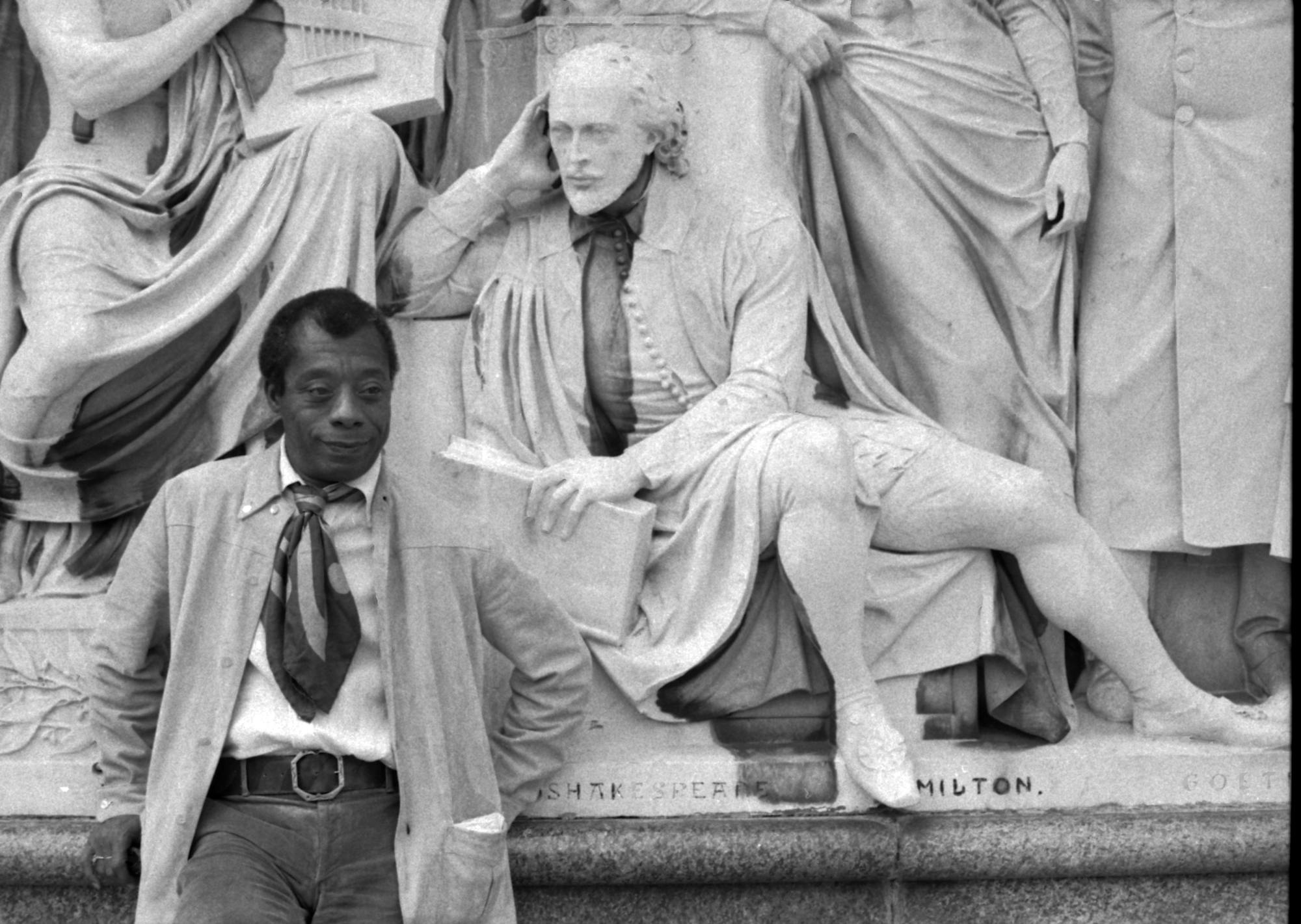
Literature can also shift our ways of thinking and feeling through the internal dialogue we enter into with a text. As Annette Federico points out, literary reading is fundamentally relational, involving a self-to-other, self-to-world, and even self-to-self experience. It can help us feel less alone, as James Baldwin noted: “You think your pain and your heartbreak are unprecedented in the history of the world, but then you read.”
Preserving Human Connection Through Literature
Our research suggests that literature’s recuperative effect is amplified when reading together. Sharing the reading experience makes literature a springboard for broader reflections on life and personal experience. Valuing the surprise and idiosyncrasy of human writing, with its genuine interiority, may be key here.
Generative AI now offers production-line quality in writing across a wide range of genres. But the price may be losing our connection to each other’s human experience and emotion through our words.
One of our students summed it up well: “poetry is, at its core, an expressive form of art that relies on emotion and […] human experiences and the imperfections that come with being human […] I just don’t feel that great about technology trying to replicate that.”