Introduction to SiNTL and Its Potential
1414 Degrees has introduced a groundbreaking technology known as SiNTL, which is described as a “drop-in anode” upgrade for lithium-ion batteries. This innovation is designed to significantly enhance the energy capacity of batteries, potentially offering up to 10 times the performance of traditional graphite anodes. The company is currently in the process of engaging with the drone and UAV battery supply chain, aiming to bring this technology into commercial use.
Technical Advancements and Performance Metrics
Recent developments have shown that test cells using SiNTL have reached a specific capacity of about 530mAh/g. The company is working towards an initial target of 600mAh/g, with the potential for further improvements over time. This level of performance is notably higher than the typical 350mAh/g seen in graphite-based systems. The enhanced capacity could lead to significant advancements in battery technology, including faster charging times and longer run times for drones and other applications.
Targeting the Drone Market
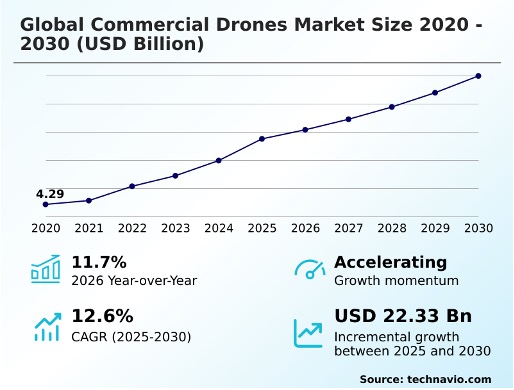
Drones and UAVs are the primary commercial targets for SiNTL. These markets prioritize energy density and have lower cycle life requirements compared to electric vehicles. By focusing on drones, 1414 Degrees aims to leverage the unique advantages of SiNTL, such as longer range, higher payloads, and shorter charging times. The global drone market is experiencing rapid growth, driven by demand in defense, logistics, and delivery sectors. This makes it an ideal starting point for the commercial deployment of SiNTL.
The Benefits of a Drop-In Design
SiNTL is designed as a drop-in anode material, meaning it can be integrated into existing battery manufacturing processes without requiring a complete redesign of production lines. This approach not only simplifies the adoption of the technology but also reduces costs. Unlike more complex high-silicon anode designs, SiNTL offers improved performance while maintaining a simpler and potentially lower-cost manufacturing process.
A special aluminium coating on the silicon nanoparticle anode is intended to address volume expansion, a critical challenge for silicon-anode technologies. This innovation helps ensure stability and longevity, making SiNTL a viable option for various applications.
Focus on Scalability and Manufacturing
In addition to performance, 1414 Degrees is now focusing on scaling up production and defining a viable manufacturing pathway for SiNTL. The production process uses utility-grade materials and aims to remain simpler and lower cost than some competing silicon-anode technologies. The company is testing whether the material can be produced economically and integrated into existing battery supply chains.
Commercial Deployment Strategies
1414 Degrees is preparing to initiate discussions with selected participants in the drone battery supply chain to test technical fit and explore potential collaboration. This marks the start of the company’s commercial engagement phase, moving from technical validation toward potential market adoption. The company is also working to establish whether SiNTL can meet the needs of an initial customer segment.
Broader Applications and Future Prospects
SiNTL is part of 1414 Degrees’ broader silicon-based technology platform, which spans energy storage, industrial heat, and hydrogen systems. This comprehensive approach highlights the company’s commitment to innovation and its vision for the future of battery technology. As the development of SiNTL progresses, the potential for commercial deployment continues to grow, opening new possibilities for various industries.
Conclusion
The advancements in SiNTL technology represent a significant step forward in the evolution of lithium-ion batteries. With its focus on performance, scalability, and cost-effectiveness, 1414 Degrees is well-positioned to make a meaningful impact in the drone and UAV markets. As the company moves forward with its commercial strategies, the future of battery technology looks increasingly promising.