A Journey Through Trauma and Resilience
April 28, 1996, is a date that Cath Gordon will never forget. That day marked the last time she felt truly herself, and the events of that fateful day have left an indelible mark on her life. Over the past 30 years, Cath has faced immense challenges, but she has chosen to keep going, finding strength in her determination to survive.
Cath, now 58, suffers from crippling post-traumatic stress disorder (PTSD) as a result of the incident. She describes the pain as invisible but constant, yet she refuses to give up. “Some days are nearly impossible,” she says, “but I go outside and I look at something to make myself smile.”
Into a War Zone
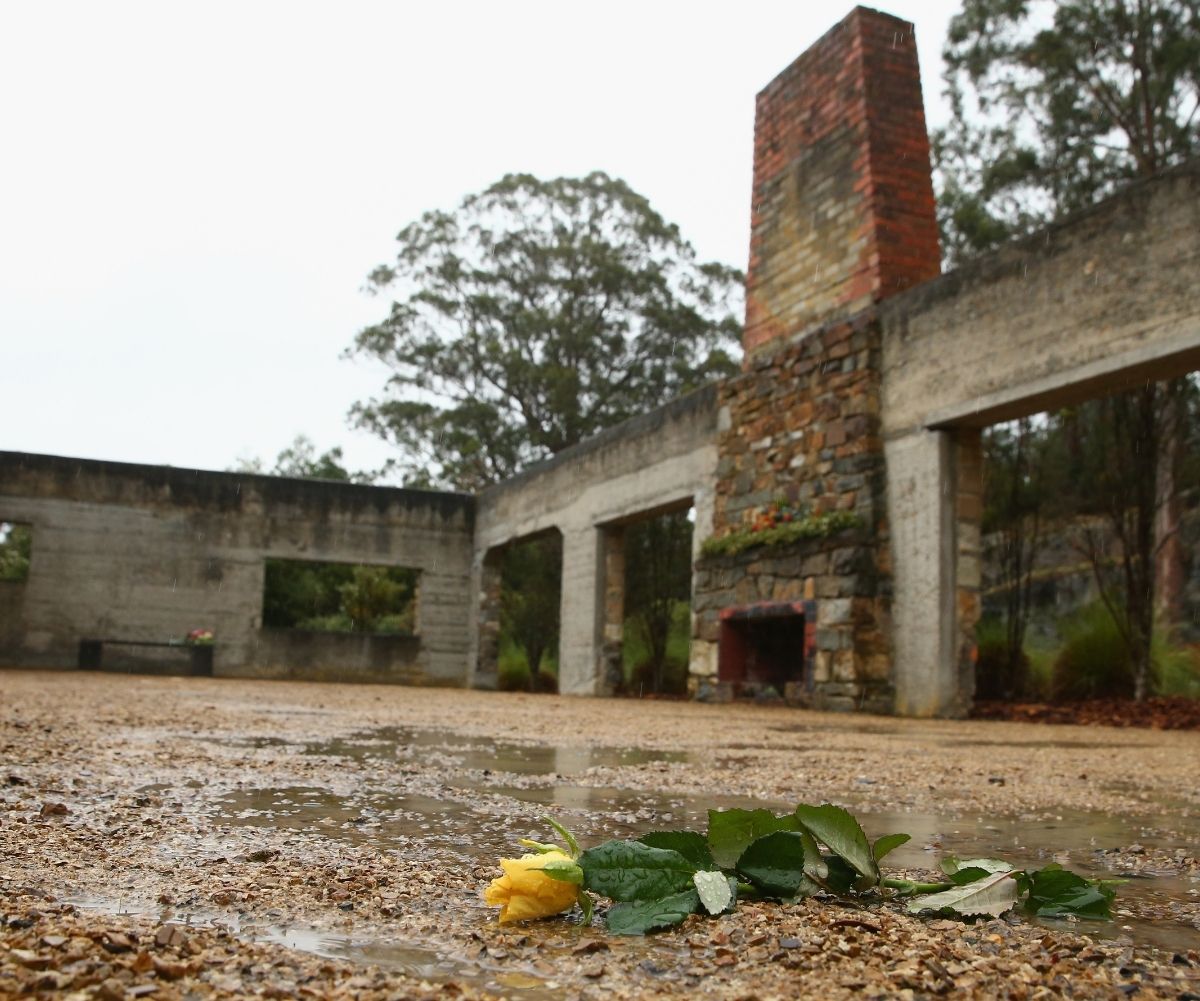
At the age of 28, Cath was working for the Tasmanian Symphony Orchestra when she led a group of singers from Opera Australia on a sightseeing trip to Port Arthur, a historic site in Tasmania. It was a routine outing, but it quickly turned into a nightmare.
Moments after leaving the Broad Arrow Cafe, a 28-year-old local finished his meal on the outside deck and then went inside and opened fire with a semi-automatic rifle. Cath, who had previously escorted groups, immediately recognized the sound of live ammunition. “I knew what live ammunition sounded like so I could tell by the noise,” she recalls.
People started running, but Cath slipped into a hypervigilant state. Everything slowed down, and she remained calm despite the chaos around her. “I told my group to stay calm and keep walking, even as I was thinking, ‘Who will feed the cat?’ and wondering if I’d walk out of this alive.”
Over the following hours, Cath witnessed things no one should ever have to see. “We were in a war zone on a peaceful Sunday,” she says. The shooting resulted in 35 deaths and 18 injuries, making it Australia’s worst mass shooting.
Afterwards, Cath and the injured were in the carpark with the walking wounded. “Everyone was in a daze. The crowd was calm but there was a sense that if one person screamed it would be chaos,” she explains. The shooter was still at large, and it took some time before police and medical personnel arrived.
Even when they did, the injured were prioritized, and Cath was left without a debrief, expected to continue her life as if nothing had happened. In the months that followed, she gradually fell apart. “I couldn’t emote. I was completely numb,” she says. She cut herself off from family and friends, terrified that anyone who got close to her would get hurt.
By March 1997, she could no longer work at all.
Bringing Joy Back
“I couldn’t figure out how to fix myself,” Cath admits, crediting a horse she bought with her last few dollars as saving her life. The horse, named Whale, was close to death, but nurturing him helped Cath heal. When they moved to Ballina on the NSW North Coast in 1998, she began rebuilding her life.
“I went to a doctor who’d treated Vietnam veterans and that was the start of my journey,” she says. “He told me I had to get out and I could either do indoor cricket with him or go to a singing group with his wife.” Cath chose the singing group, initially sitting at the back for four weeks before finally getting up and singing with them.
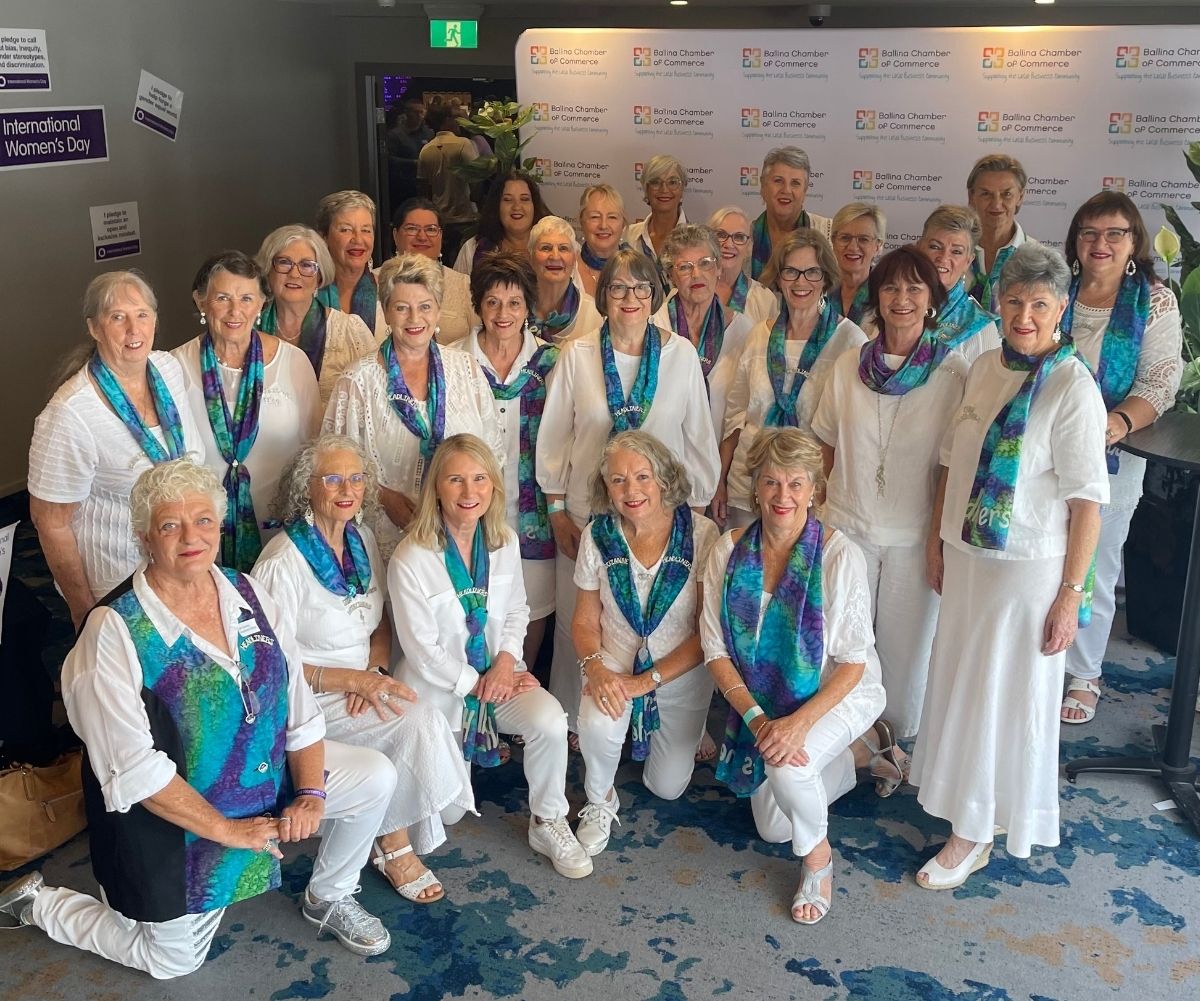
She hasn’t looked back since. By 2009, she was directing the Headliners Chorus, which has grown to around 40 singers that perform across Australia. The group provides her with the focus and purpose she desperately needed.
“My PTSD is still debilitating,” she says. “Every day I wake up and it’s April 28, 1996 – but I choose to have a better day.” She emphasizes the importance of kindness and giving back. “It takes strength but I choose to be kind and give back.”
Cath has returned to Port Arthur twice over the years, but it takes a lot out of her. “The lead-up to this year’s anniversary has been really difficult,” she says. “There’s been Bondi [the Sydney mass shooting] and it’s the 30th year.”
While she won’t be at the site on the anniversary, her mind will be grappling with the events. “I had a lot of guilt… ‘Why am I still alive?’” she says. “I didn’t lose a relative or have a physical injury, but what was taken from me that day was me.”
For Cath, the only way back is to give and bring joy to people. “That’s what life is about.” Today, she gives talks and hopes her story might touch someone else who has experienced trauma.
“I want people to know there’s always hope and to never stop trying. It’s hard but you have to keep fighting,” she says.