A Journey Through the Cinematic World of Abel Ferrara
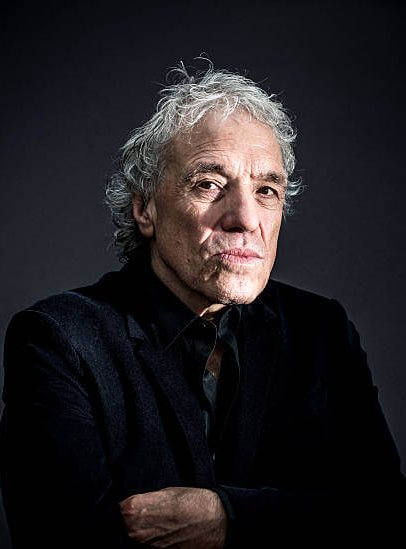
Abel Ferrara, a name that resonates deeply within the realm of independent cinema, has recently unveiled his memoir titled Scene. Published by Simon & Schuster for $59.99, this book offers an intimate look into the life and career of a filmmaker who has navigated the tumultuous waters of the film industry for over five decades.
Ferrara’s journey began in the early 1970s with a series of short films, which eventually led him to the grindhouse scene. His first feature, 9 Lives of a Wet Puss (1976), was released under the pseudonym Jimmy Boy L. While it might have seemed like a typical exploitation film at the time, few could have predicted that its director would one day become a celebrated figure in American cinema.
Over the years, Ferrara has directed, written, or contributed to more than 30 films across the United States and internationally. He is perhaps most recognized for his early horror films, such as The Driller Killer and Ms. 45, as well as his collaborations with notable actors like Christopher Walken and Harvey Keitel during the 1990s. His work with Willem Dafoe on projects like New Rose Hotel and Pasolini further solidified his reputation as a versatile and daring filmmaker.
In Scene, Ferrara takes readers on a personal journey through his life, reflecting on the influences and experiences that shaped his career. The memoir is structured in vignettes, offering a glimpse into his Italian-American heritage, his family, and the various relationships that have impacted his life. From his father, a bar owner and bookmaker, to his mother, described as “every bit the Marilyn Monroe to my father’s Joe DiMaggio,” Ferrara paints a vivid picture of his upbringing.
The book also delves into his relationships with numerous women and collaborators, including Asia Argento, Al Pacino, Gerard Depardieu, and Juliette Binoche. Central to his evolution as a filmmaker is his long-time screenwriter, Nicholas St. John, whose partnership with Ferrara ended due to the complexities of the film business.
Ferrara’s focus in Scene is not just on the films he has made but rather on the behind-the-scenes struggles and triumphs. He draws a parallel between his commitment to his work and the Hippocratic Oath, emphasizing his dedication to protecting the integrity of his films. His experience with Warner Bros. on Body Snatchers (1993) was a turning point, as he vowed never to work without final cut again.
Interestingly, Ferrara reveals a preference for reading books over watching films, stating that he finds the acting in films particularly fascinating. “It’s the hit I’m constantly chasing,” he enthuses. While he admires the visual masterpieces of directors like Orson Welles and Stanley Kubrick, it is the acting that truly captivates him.
Ferrara also touches on the influences that shaped some of his films, referencing The Texas Chainsaw Massacre for The Driller Killer and I Spit on Your Grave for Ms. 45. However, he does not elaborate, leaving readers to infer that his inspiration often came from low-budget productions that exceeded their expectations.
Scene is reminiscent of Charlie Sheen’s The Book of Sheen, but it stands out for its unflinching portrayal of Ferrara’s life. Described as “a street rat,” the memoir captures the essence of a filmmaker who has lived according to his own rules, constantly on edge and determined to carve his path.
Josh Safdie, who cast Ferrara in Marty Supreme, praised the memoir, noting that it encapsulates the essence of its author. “The second you see Abel enter the movie with his dog,” he said, “the dog softens him in some ways. But there’s a hardness to him. You can feel the entire memoir in his face.”
Unlike Sheen, Ferrara has no regrets, except for his past struggles with heroin addiction and the end of his partnership with St. John. He makes no apologies for his unconventional ways, drawing upon a Native American parable about the two wolves inside us to emphasize the importance of what we choose to feed.
At 74, Ferrara remains focused on what lies ahead, embodying the spirit of a character in his own story.