The Legal Battle Between Elon Musk and OpenAI
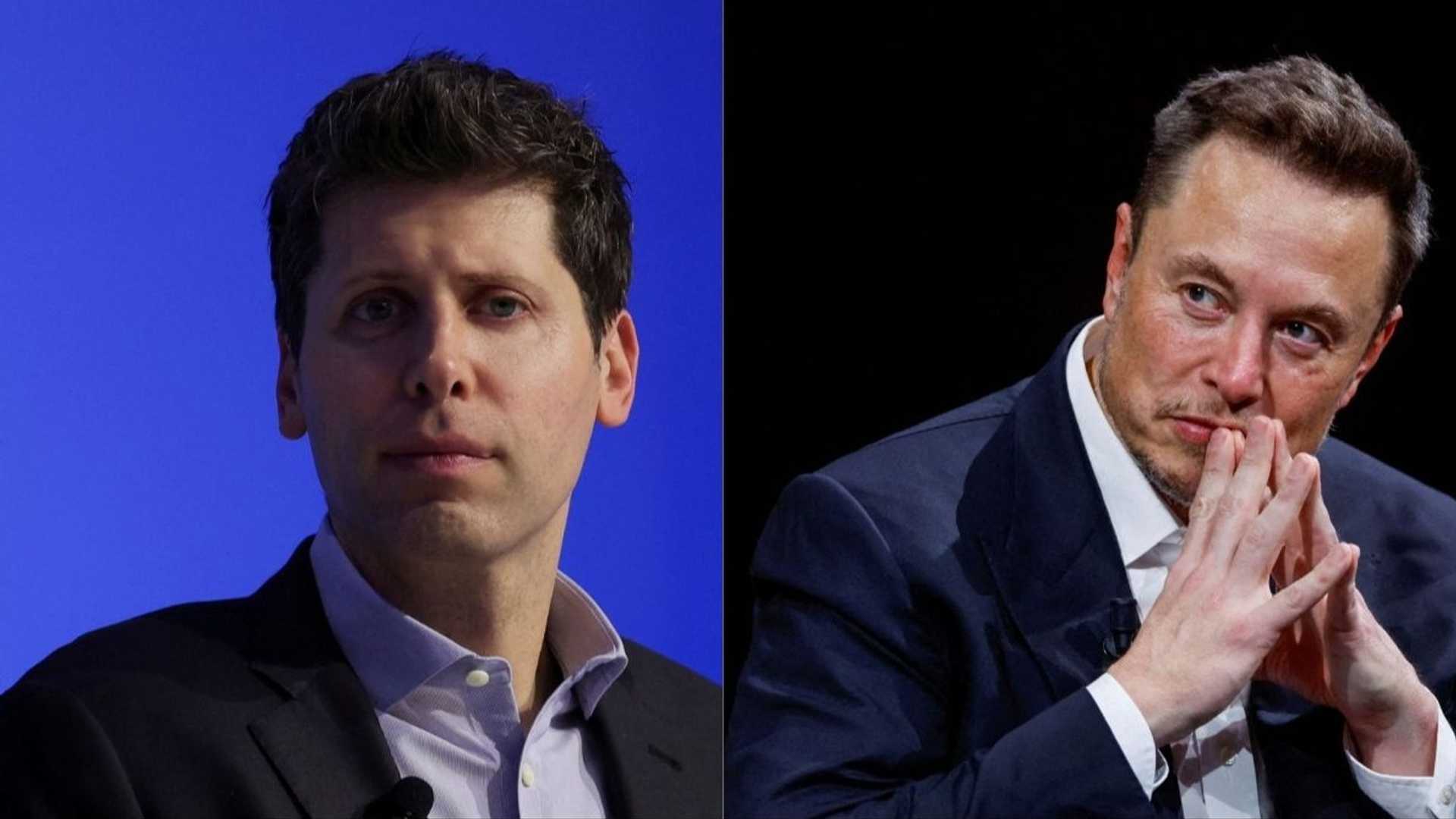
Two of the most influential figures in the tech world, Elon Musk and Sam Altman, are set to face off in court. This legal battle centers around allegations that OpenAI has deviated from its original mission as a non-profit organization. Musk claims that the company has shifted towards a for-profit model, which he believes contradicts the founding agreement established when OpenAI was created.
Musk played a significant role in funding OpenAI when it was founded in 2015. His involvement was driven by a shared vision of developing artificial general intelligence (AGI) for the benefit of humanity. However, this partnership has now turned into a legal dispute, with Musk accusing OpenAI of breaching their agreement.
The trial began on Monday, with jury selection taking place. This process was complicated by reports that some potential jurors expressed strong dislike for Musk, with one even calling him a “world-class jerk.” The case will be handled by US District Judge Yvonne Gonzalez Rogers in Oakland, California.
Musk’s Allegations
The lawsuit, available on CourthouseNews.com, outlines several claims, including breach of contract, promissory estoppel, breach of fiduciary duty, unfair competition, and accounting. Musk’s legal team argues that OpenAI has not upheld its commitment to developing AGI for the greater good.
According to the lawsuit, Musk has long been concerned about the potential risks of AGI, a concept that refers to an AI system capable of matching or exceeding human cognitive abilities across any task. This concern is echoed by other prominent figures, such as Stephen Hawking and Bill Joy.
The lawsuit states that Musk and other founders agreed on two key points: that OpenAI would be a non-profit organization focused on benefiting humanity, and that it would be open-source, with only safety considerations limiting access. However, Musk’s lawyers argue that these principles were compromised in 2023 with the release of GPT-4, which they claim is an AGI algorithm.
OpenAI’s Response
In response to the lawsuit, OpenAI issued a statement on Twitter, expressing confidence in their position. They stated that they “can’t wait” to present their case in court, claiming that both the truth and the law are on their side. The company also criticized the lawsuit as a “baseless and jealous bid to derail a competitor.”
OpenAI emphasized that their mission remains to ensure that AGI benefits all of humanity. They plan to question Musk under oath during the trial, aiming to highlight what they see as his attempts to undermine their work.
The jury trial will continue on Tuesday with opening arguments, setting the stage for a detailed examination of the allegations and counterclaims.
Key Points of the Case
- Breach of Contract: Musk alleges that OpenAI has violated the terms of their founding agreement.
- Promissory Estoppel: This legal term refers to preventing a party from going back on a promise made to another.
- Fiduciary Duty: OpenAI is accused of mismanaging funds and not acting in the best interests of its stakeholders.
- Unfair Competition: Musk claims that OpenAI’s actions have unfairly disadvantaged competitors.
- Accounting Issues: The lawsuit also addresses financial discrepancies within the company.
The Broader Implications
This legal battle raises important questions about the future of AI development and the responsibilities of tech companies. As AI continues to evolve, the balance between innovation and ethical considerations becomes increasingly critical.
The outcome of this case could set a precedent for how AI companies operate and the expectations placed upon them. It also highlights the challenges of maintaining a non-profit mission in a competitive, for-profit industry.
As the trial progresses, the public and industry experts will be watching closely to see how this dispute unfolds and what it means for the future of AI.