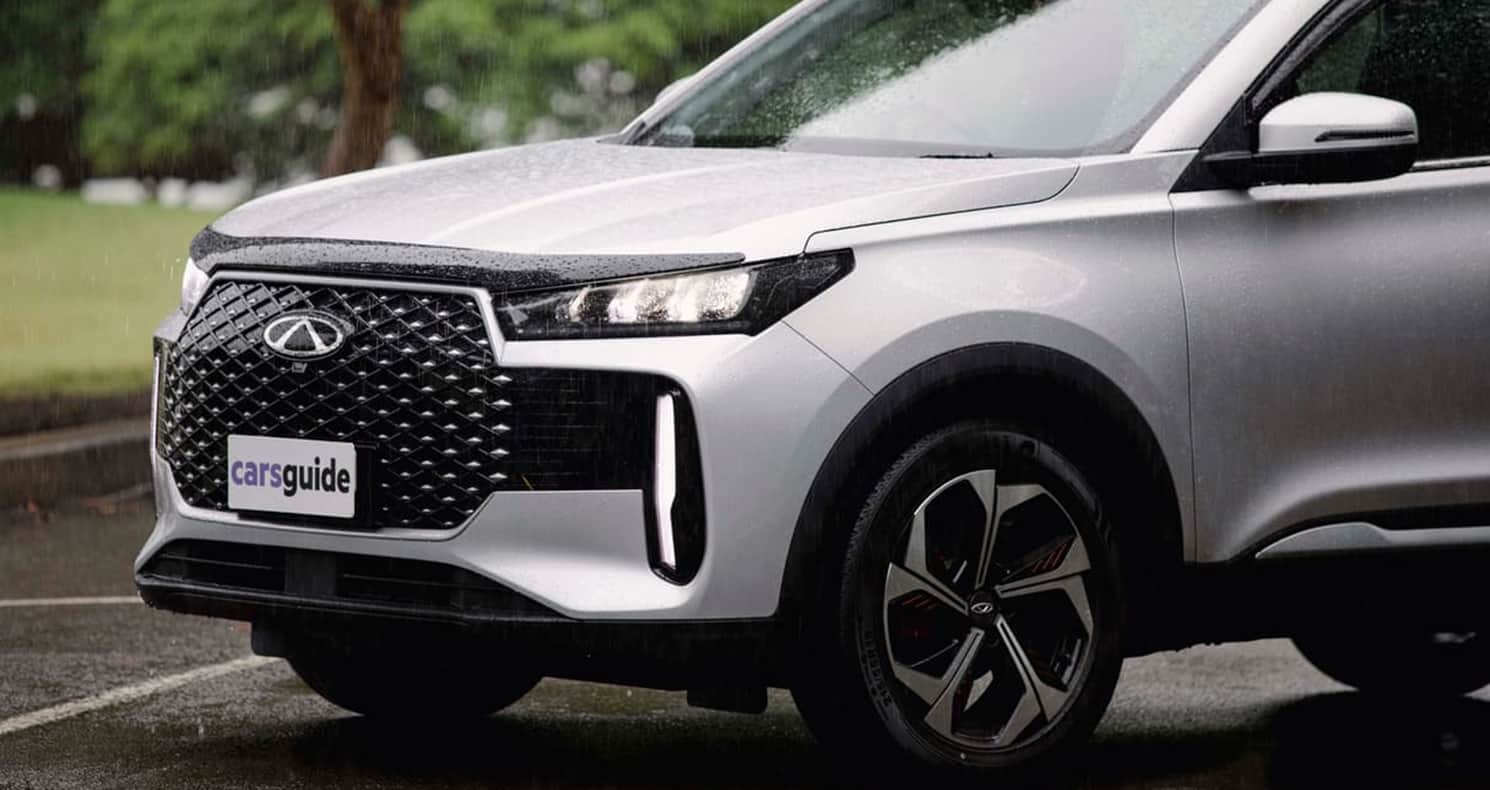
Chery’s Growing Presence in the Australian Market
Chery’s return to the Australian market has been marked by a series of successful model launches and impressive sales figures, indicating that the Chinese car brand is here to stay. The company first entered Australia in 2011 but left after about four years. However, since its re-entry in 2023, Chery has shown no signs of slowing down.
One of the key models contributing to this success is the Chery Tiggo 4. This vehicle has consistently ranked among the best-selling cars in Australia, with sales increasing by more than 80% in March 2026 compared to the same month in 2025. The affordability of many of Chery’s models has also played a significant role in its growing popularity. For instance, the Tiggo 4 is priced from $23,990 (drive-away), which is nearly $10,000 less than the Hyundai Kona, a direct competitor.
Expansion of Chery’s Brand Portfolio
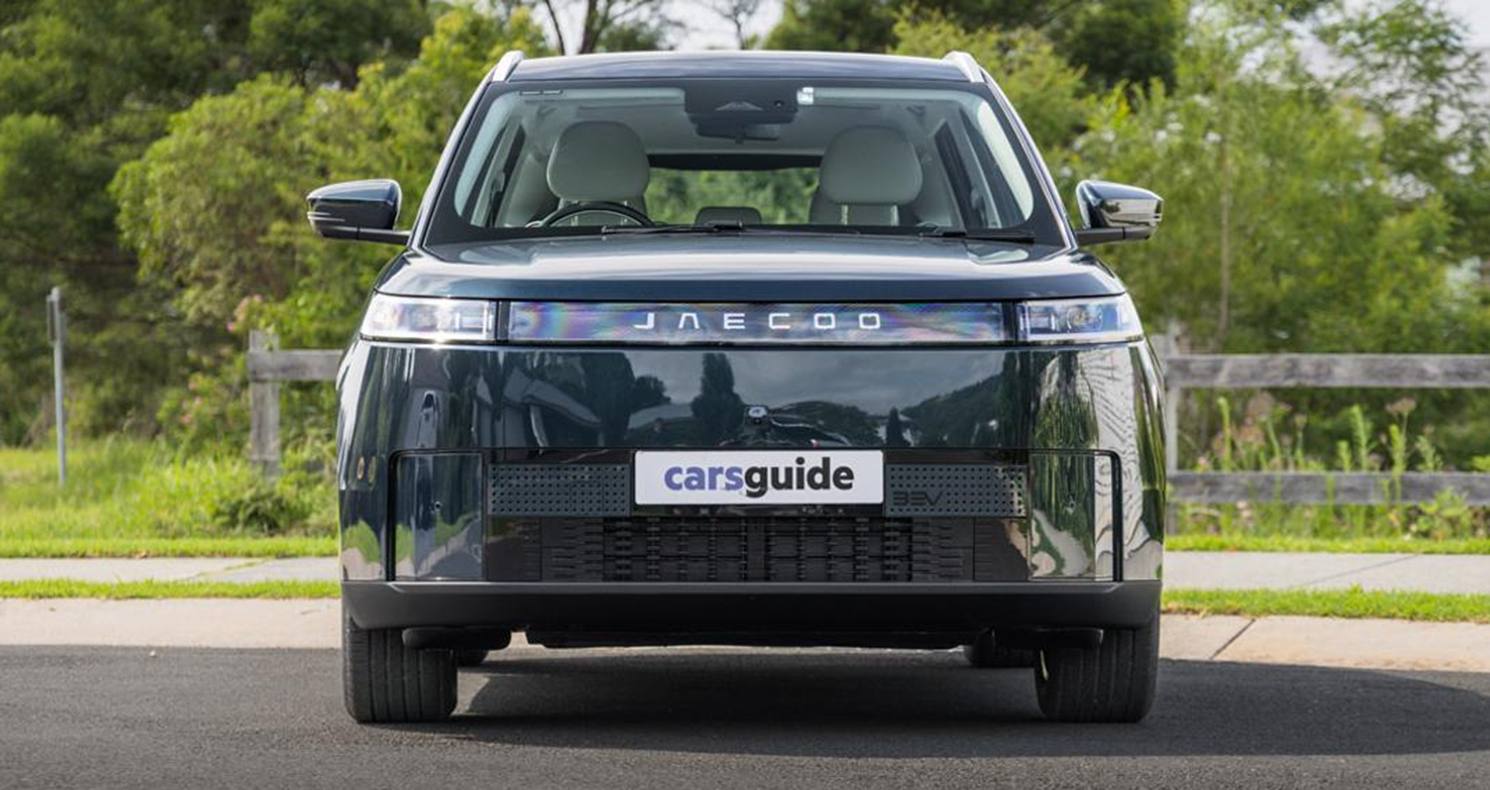
In addition to the Chery brand itself, the company is expanding its presence in Australia by introducing other brands under its ownership. Omoda and Jaecoo have already launched in the country, offering a range of models to consumers. The recently introduced Jaecoo J5 EV has already made a strong start in the market, achieving over 1,100 sales in 2026 since its launch at the beginning of the year.
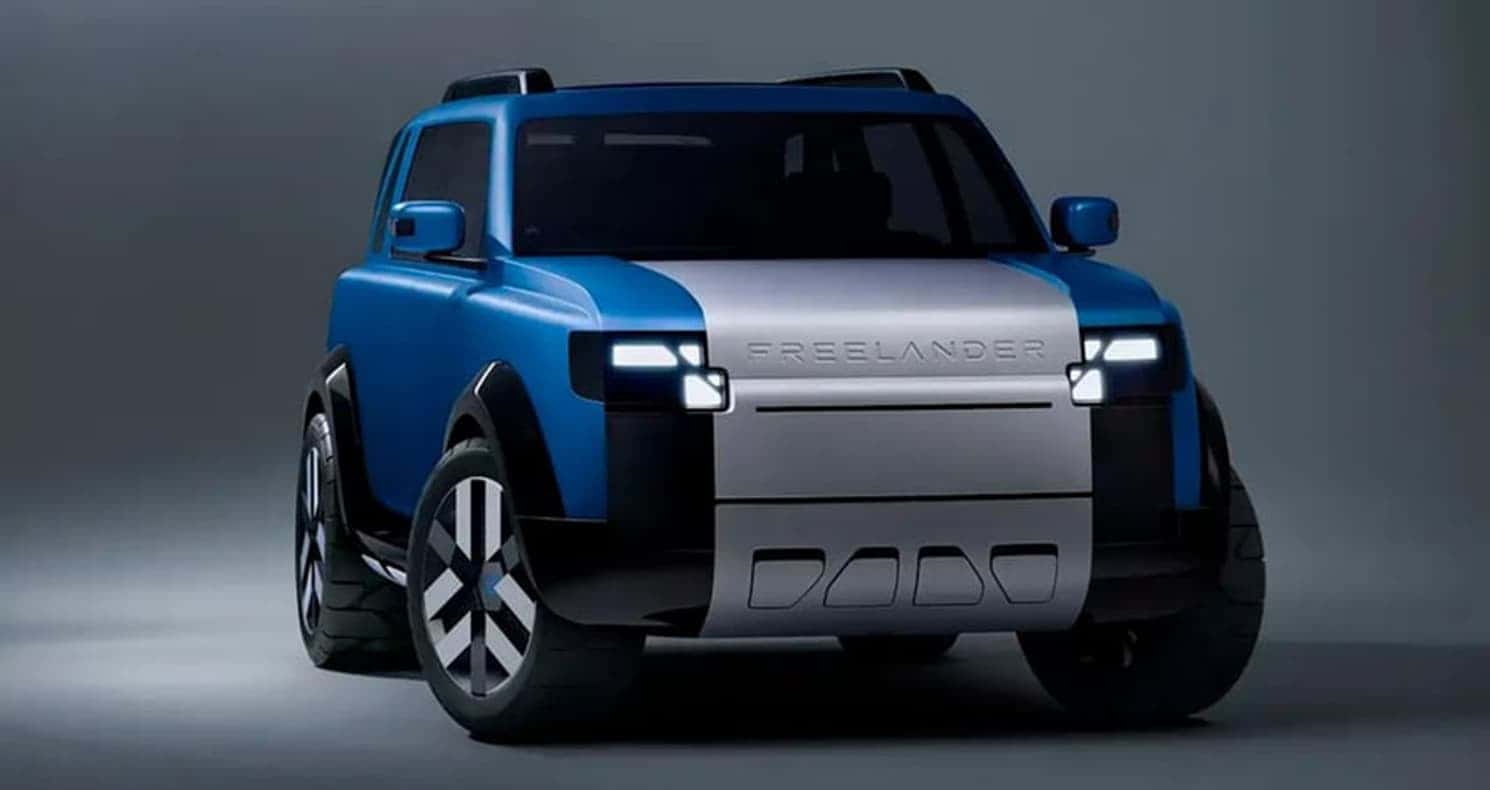
The Chery family of brands is set to grow even further in 2026, with plans to introduce Lepas, a youth-focused brand, before the end of the year. In 2027, the Freelander brand, which stems from a partnership between Jaguar Land Rover and Chery, will also make its way to Australia.

However, with many of Chery’s brands sharing similar platforms and setups, the question remains: are styling changes enough to differentiate these products? For example, the Chery Tiggo 4 and the newly announced Jaecoo J5 petrol share the same platform, engine, and much of the same equipment. Despite this, the Chery model is priced $2,000 cheaper than the Jaecoo version.
Strategic Positioning and Brand Identity
Omoda Jaecoo Chief Commercial Officer Roy Munoz highlighted the importance of maintaining a distinct identity for each brand. He described their positioning as a “mastige” market, where they aim to provide premium technology and comfort at an unprecedented price point.
“We need to stay focused on our own brand values and make sure we connect with our customers and communicate those values and find our consumer base that way,” Munoz said.
Munoz also emphasized that Chery’s ability to deliver rapid product cycles and diverse powertrains helps keep the entire product lineup fresh and competitive.

He noted that the relationship between Omoda Jaecoo and Chery has been effective so far. “Internally, we find our own synergies working together. Certainly there are shared functions and there are completely separated ones as well,” he explained.
“It works well. We’ve got the much-needed support, which is required from shared functions and departments, but also enough delineation that we can position our brands in different points of the market where we can talk to different types of customers.”
Munoz acknowledged that not everything will be perfect, but the organization remains open-minded and agile. “We’re not going to get everything right, but we can remain open-minded, and we have agility in our organisation.” This approach allows Chery and its affiliated brands to adapt quickly to market demands and maintain a strong presence in the Australian automotive landscape.