A Historic Reunion and the Future of AI
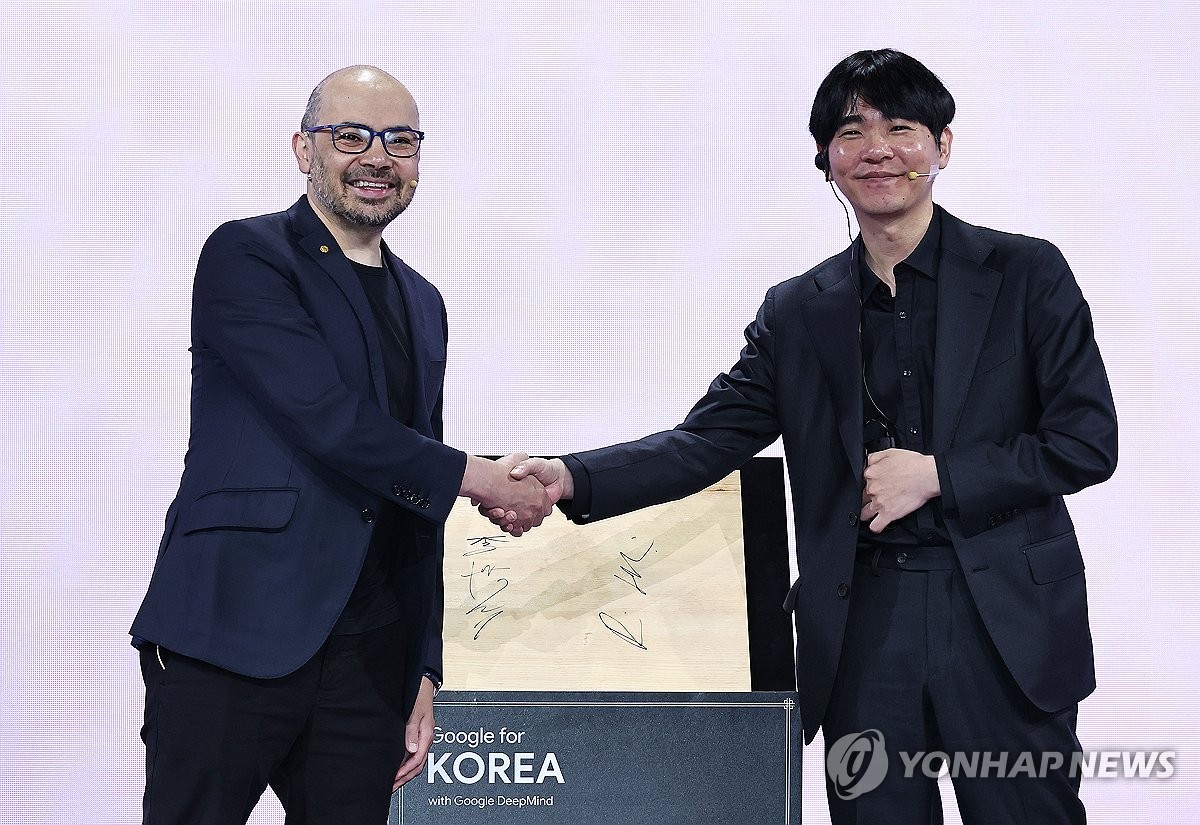
Demis Hassabis, the co-founder of Google DeepMind, recently made a return to Seoul, where he met with one of the most iconic figures in the world of baduk (Go), Lee Sedol. This meeting marked a significant moment for both individuals, as it brought together the past and future of artificial intelligence.
The event, hosted by Google in central Seoul, was a celebration of the journey that began a decade ago when Lee Sedol faced off against AlphaGo, the AI developed by DeepMind. The five-game match between the human champion and the machine became a landmark in the history of AI, showcasing the potential of machines to outperform humans in complex tasks.
Hassabis reflected on the significance of that encounter, stating that it “signaled the beginning of these incredible advances that happened in the last decade.” He emphasized that the match was not just a victory for AlphaGo but a turning point for the entire field of artificial intelligence.
One particular moment from the 2016 match stands out in Hassabis’ mind: the 37th move made by AlphaGo during game two. This unconventional shoulder hit on the fifth line was considered a pivotal move that secured AlphaGo’s victory. Hassabis described this moment as “the most incredible” example of AI creativity, highlighting how it demonstrated the ability of machines to think in ways that were previously unimaginable.
This kind of creativity, according to Hassabis, has the potential to usher in a new “renaissance” for humanity. He pointed to the role of AI in solving long-standing scientific challenges, such as the protein folding problem, which took over 50 years to solve. This breakthrough not only earned a Nobel Prize in 2024 but also opened up new possibilities for medical research and treatment.
Hassabis expressed optimism about the future, suggesting that within the next 10 to 20 years, AI could help solve all diseases. He also highlighted the potential of these technologies to address environmental issues and develop new energy sources.
South Korea’s Role in the AI Revolution
During his visit to Seoul, Hassabis praised South Korea’s potential to become a global leader in the AI sector. He pointed to the country’s strengths in manufacturing, particularly in chips and robotics, as well as its robust industrial base and world-class universities and research institutes.
“I think it has all of the ingredients to be one of the world leaders in this technology,” he said, emphasizing the importance of collaboration between academia, industry, and government.
Hassabis has been in Seoul since Monday, engaging in high-level discussions with various stakeholders. He met with President Lee Jae Myung and signed a memorandum of understanding with the science ministry’s technology partnerships program. These initiatives aim to foster innovation and create a conducive environment for AI development in South Korea.
In addition to these meetings, Hassabis is reported to have held separate discussions with the heads of major local conglomerates, including LG Group and Hyundai Motor Group. These interactions underscore the growing interest in AI across different sectors of the South Korean economy.
Looking Ahead
As AI continues to evolve, the contributions of pioneers like Demis Hassabis will play a crucial role in shaping its future. His work with AlphaGo not only revolutionized the game of Go but also paved the way for new applications of AI in science, medicine, and beyond.
The collaboration between DeepMind and South Korea represents a promising step towards a future where AI can be harnessed for the greater good. With continued investment and innovation, the potential for AI to transform industries and improve lives is vast.