Rising Concerns Over AI-Generated Misinformation in Sports
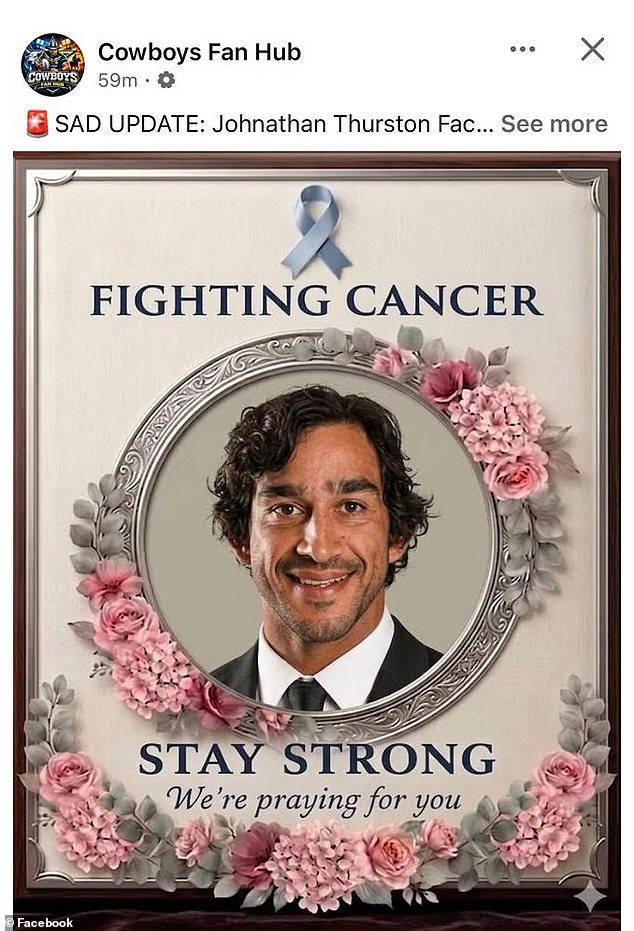
The world of sports has been grappling with a growing issue of artificial intelligence (AI)-generated misinformation, which is causing distress among players, their families, and club officials. One of the most recent cases involves Johnathan Thurston, a revered figure in the Queensland Cowboys, who has been declared cancer-free despite false online claims suggesting otherwise.
Michael Luck, the CEO of the Cowboys, has expressed strong disapproval over the spread of these fabricated stories. He described the content as “highly disturbing,” highlighting the negative impact such misinformation can have on individuals and their loved ones. The false narratives often originate from fake social media accounts that impersonate official club pages or fan groups.
A Facebook page known as the Cowboys Fan Hub recently posted misleading information stating that Johnathan Thurston had been diagnosed with cancer. In addition, it claimed that some cheerleaders had shared inappropriate images online. These allegations were not only untrue but also damaging to the reputations of those involved.
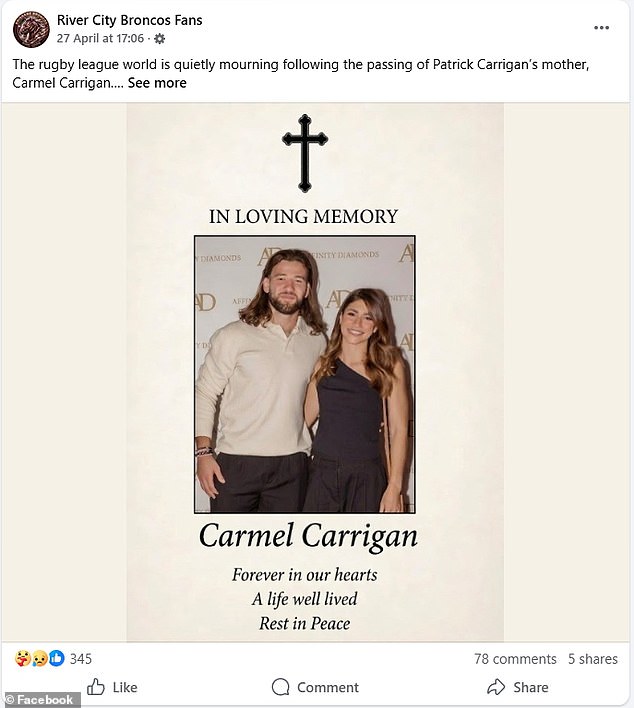
Similarly, the Brisbane Broncos have faced similar challenges, with a Facebook page named ‘River City Broncos Fans’ spreading false news about Pat Carrigan’s mother, Carmel, claiming she had passed away. Such fabrications can cause unnecessary anxiety and emotional distress for the affected individuals and their families.
Luck emphasized that the Cowboys have received numerous reports regarding these AI-generated stories. He stated that the content often includes fabricated details about players, both past and present, as well as their partners. This trend is particularly concerning given the increasing use of AI technology to create realistic yet entirely false content.
The National Rugby League (NRL) is aware of the problem and is collaborating with Meta, the parent company of Facebook and Instagram, to take down these misleading pages. However, the challenge remains significant due to the rapid spread of such content across various platforms.
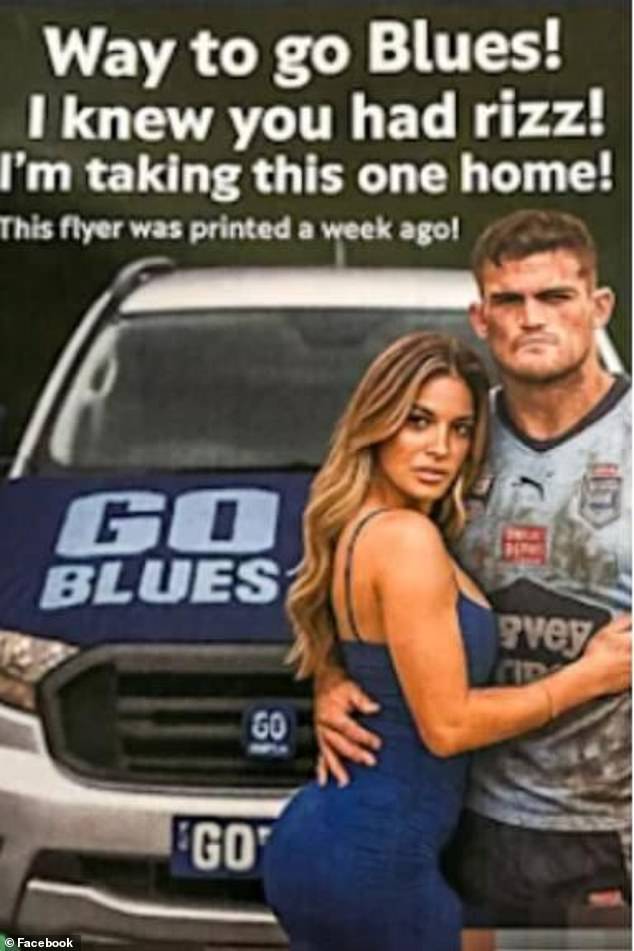
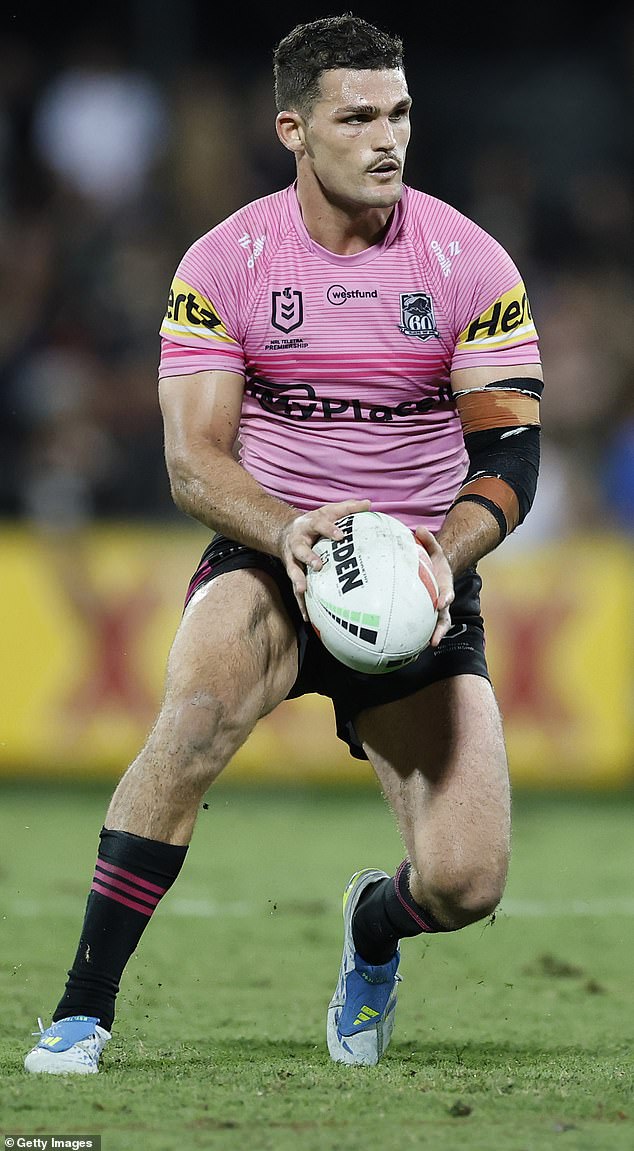
This issue is not isolated to the Cowboys or the Broncos. In July last year, NSW Blues halfback Nathan Cleary found himself at the center of a controversy when an AI-generated image of him was distributed on flyers around Sydney Olympic Park. The image depicted Cleary in a NSW jersey with his arm around a woman, leading to widespread concern and legal action.
Cleary’s legal team took swift action, threatening to pursue both civil and criminal charges against those responsible for the flyers. The incident occurred after the Blues lost the State of Origin decider to Queensland at Accor Stadium, with hundreds of fans returning to their cars to find the offensive materials on their windshields.
Another player, Melbourne Storm hooker Harry Grant, has also been targeted by fake AI images online. These incidents highlight the broader implications of AI-generated misinformation, which can damage reputations, cause emotional harm, and even lead to legal consequences.
In addition to these cases, there were recent false posts claiming that outgoing Cowboys fullback Scott Drinkwater had re-signed with the club on a $55 million deal. Such misinformation can mislead fans and create confusion within the sporting community.
As the use of AI technology continues to evolve, so too does the potential for misuse. It is crucial for sports organizations, clubs, and governing bodies to remain vigilant and proactive in addressing these issues. By working together with social media platforms and implementing stricter policies, the sports community can better protect its members from the harmful effects of AI-generated misinformation.