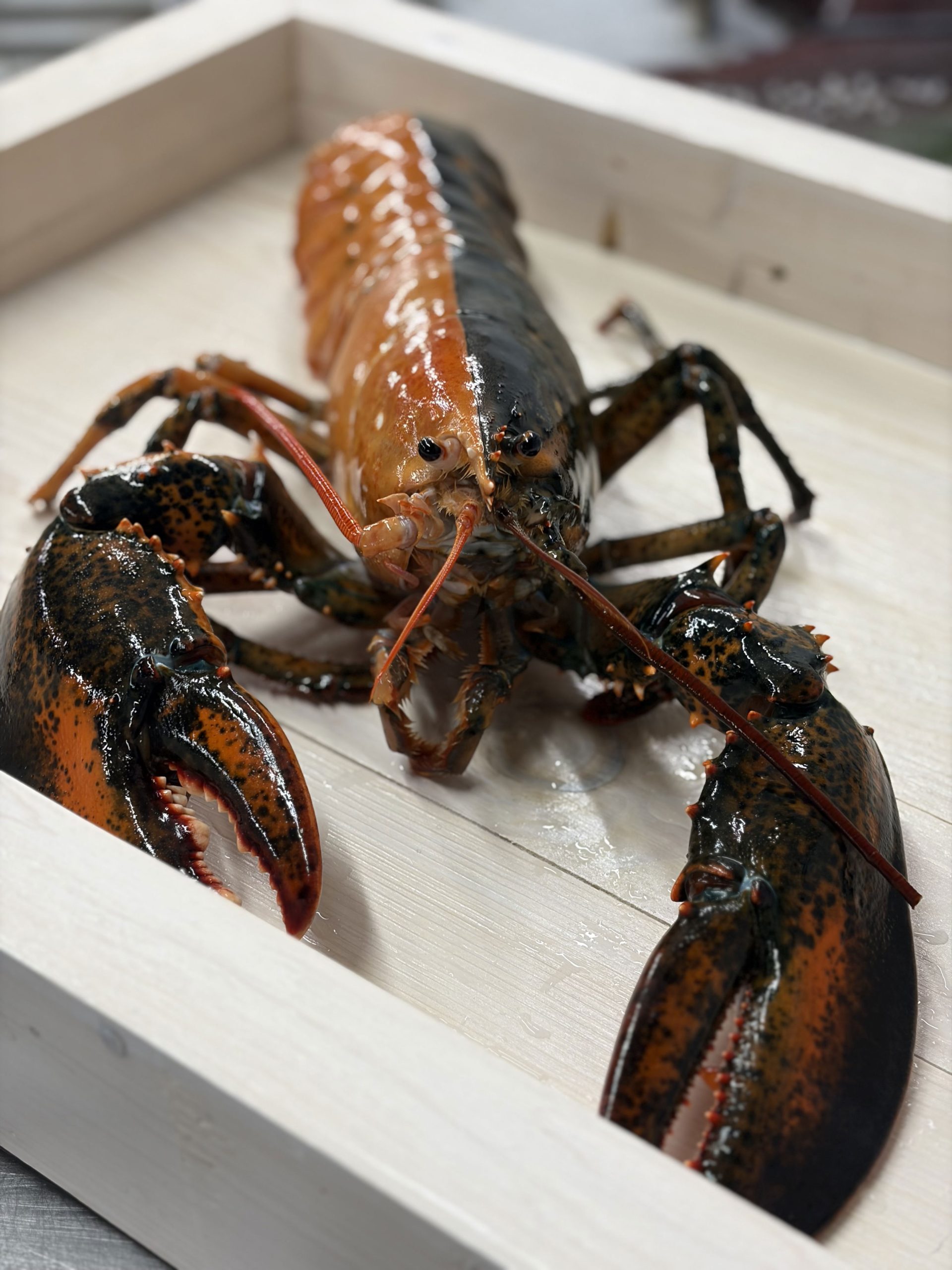
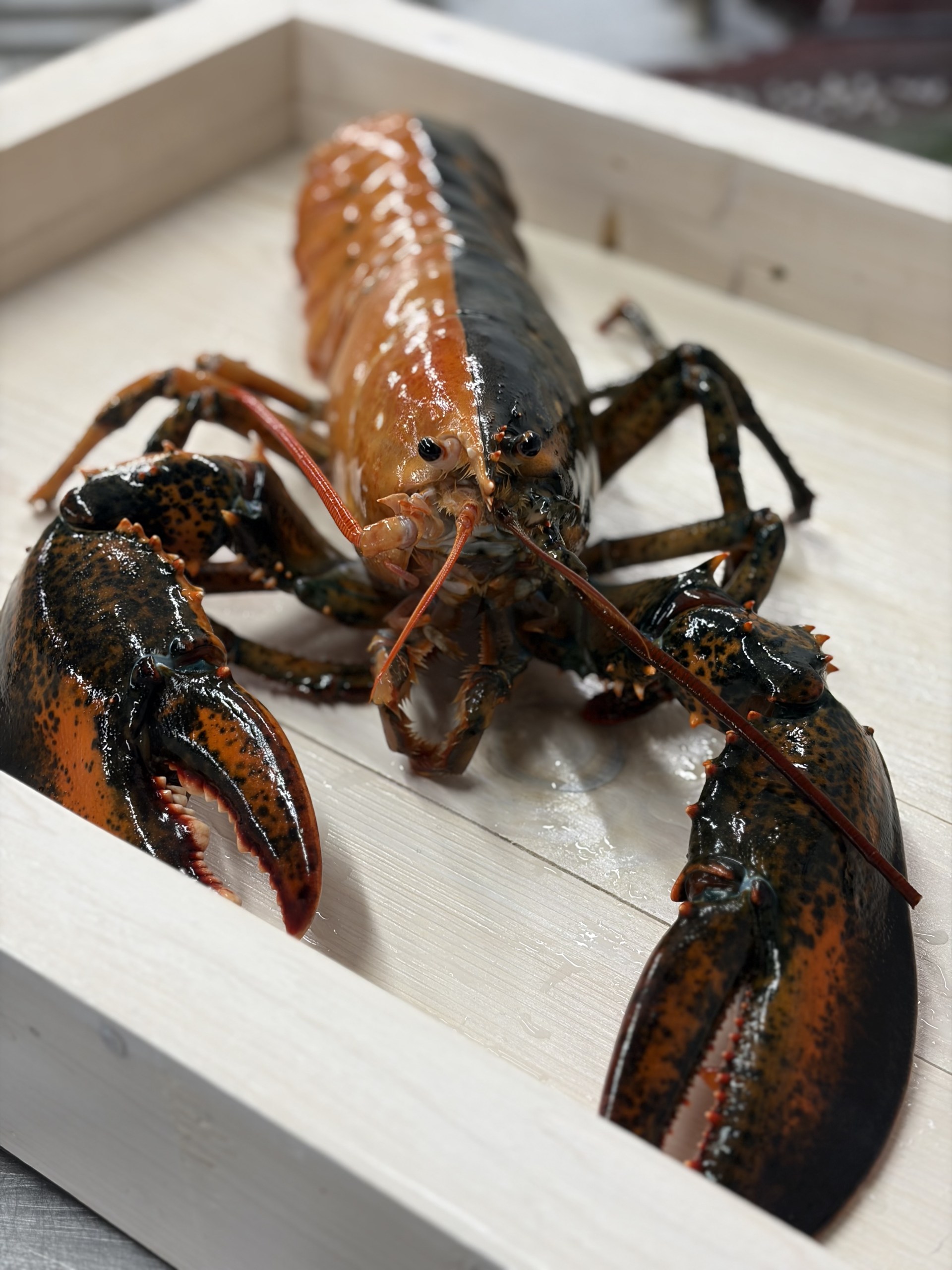
A rare split-coloured lobster, estimated to occur in just one in 50 million cases, has been discovered off the coast of Cape Cod. The crustacean was caught by a fishing crew, with Wellfleet Shellfish Company sharing details of the find in a Facebook post.
Distinctly divided down the centre, the lobster displays two contrasting colours – a vivid orange on one side and a dark, almost black hue on the other. Its claws show a blend of both tones, while one side of its legs appears more orange, and even its whiskers differ in colour.

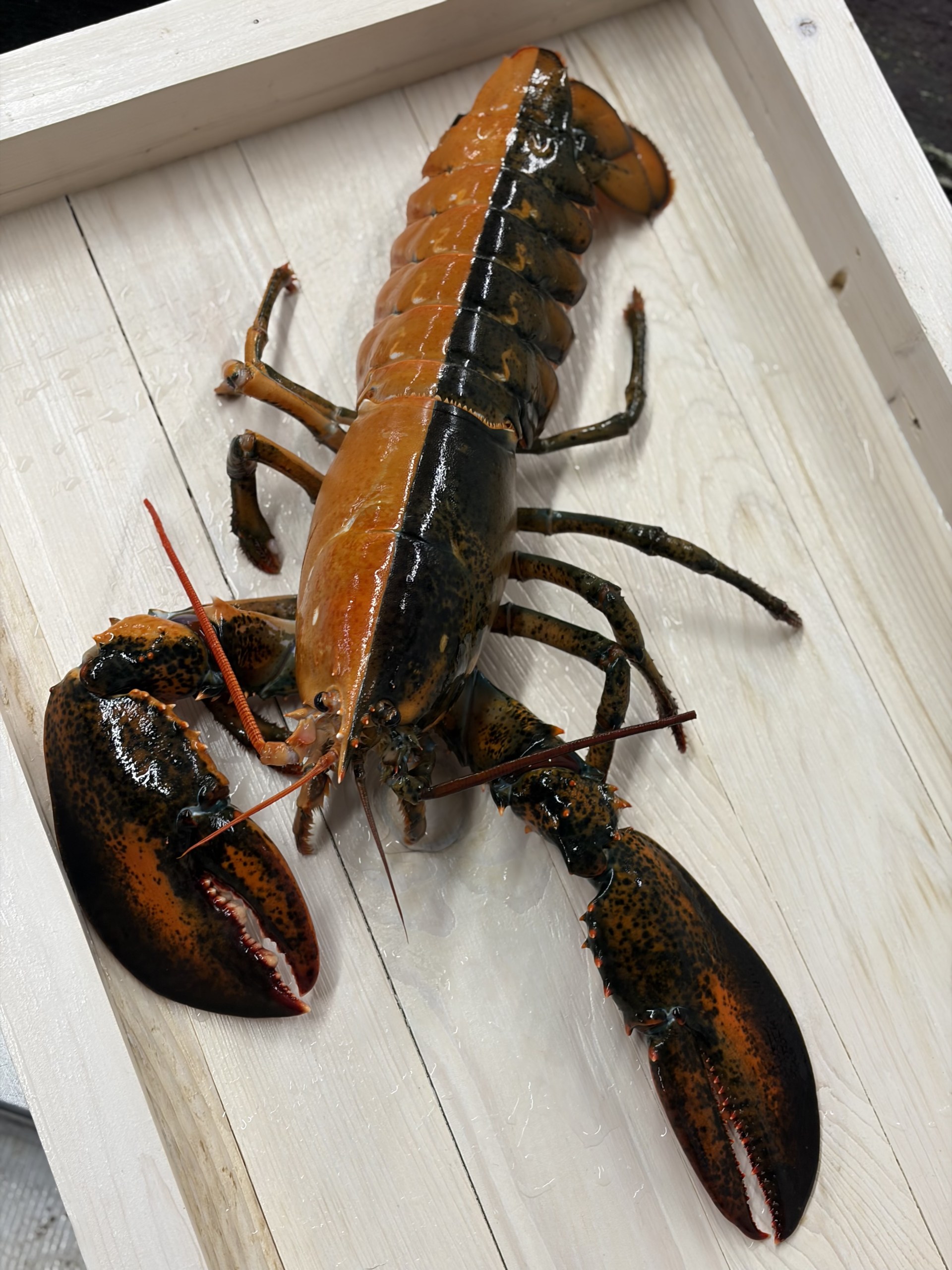
Such lobsters are considered exceptionally rare, with scientists attributing the phenomenon to unusual genetic conditions. These can include instances where two fertilised eggs fuse early in development, resulting in a single animal carrying two separate sets of DNA. Other explanations include genetic mosaicism or pigment irregularities.
Rather than being sold for consumption, the lobster has been spared and will be ‘donated’ to Woods Hole Science Aquarium, where ‘she’ll eventually be on display for the public to experience up close once they reopen.’ In the meantime, it is being cared for by specialists at the Marine Biological Laboratory, working alongside the National Oceanic and Atmospheric Administration in Woods Hole, Massachusetts.
Unusual Genetic Traits
The occurrence of a split-coloured lobster is an extraordinary event that highlights the complexities of genetics in marine life. Scientists believe that such unique traits arise from rare genetic mutations or developmental anomalies. One theory suggests that the lobster may have developed from two separate fertilised eggs merging during early embryonic stages, leading to a combination of two distinct genetic makeups within a single organism.
Another possible cause is genetic mosaicism, where different cells within the same organism carry different genetic material. This can result in visible differences in colouration or other physical characteristics. Additionally, pigment irregularities could also play a role, affecting how light is absorbed or reflected by the lobster’s exoskeleton.
Conservation and Public Display
Instead of being sold for commercial purposes, this remarkable lobster has been given a second chance. It will be donated to the Woods Hole Science Aquarium, where it will be displayed for the public to see once the facility reopens. The decision to preserve the lobster rather than sell it reflects growing awareness and appreciation for the natural world’s unique wonders.
During its time in care, the lobster is being monitored and studied by experts at the Marine Biological Laboratory. This collaboration with the National Oceanic and Atmospheric Administration ensures that the creature receives the best possible care while contributing to scientific research.
A Rare Opportunity for Observation
For many people, the opportunity to see a split-coloured lobster in person is a once-in-a-lifetime experience. These creatures are so rare that their existence challenges our understanding of biology and evolution. Observing them up close allows researchers and the public alike to appreciate the diversity of life in the ocean.
The aquarium plans to use this discovery as an educational tool, offering visitors insights into genetic variation and the importance of preserving marine ecosystems. By showcasing such rare specimens, institutions like the Woods Hole Science Aquarium help foster curiosity and a deeper connection to the natural world.
Conclusion
The discovery of this split-coloured lobster is a testament to the mysteries that still exist in our oceans. While its exact origin remains a subject of scientific interest, its presence serves as a reminder of the incredible diversity found in nature. As it prepares for its public debut, this lobster continues to captivate those who learn about its story.