A Woman’s Fight for Autonomy in NHS Sterilisation
A woman from Oxfordshire has successfully challenged the National Health Service (NHS) after being denied sterilisation on the grounds that she might regret the decision, while men were freely granted vasectomies. The case highlights significant concerns about gender bias and inconsistent policies within the healthcare system.
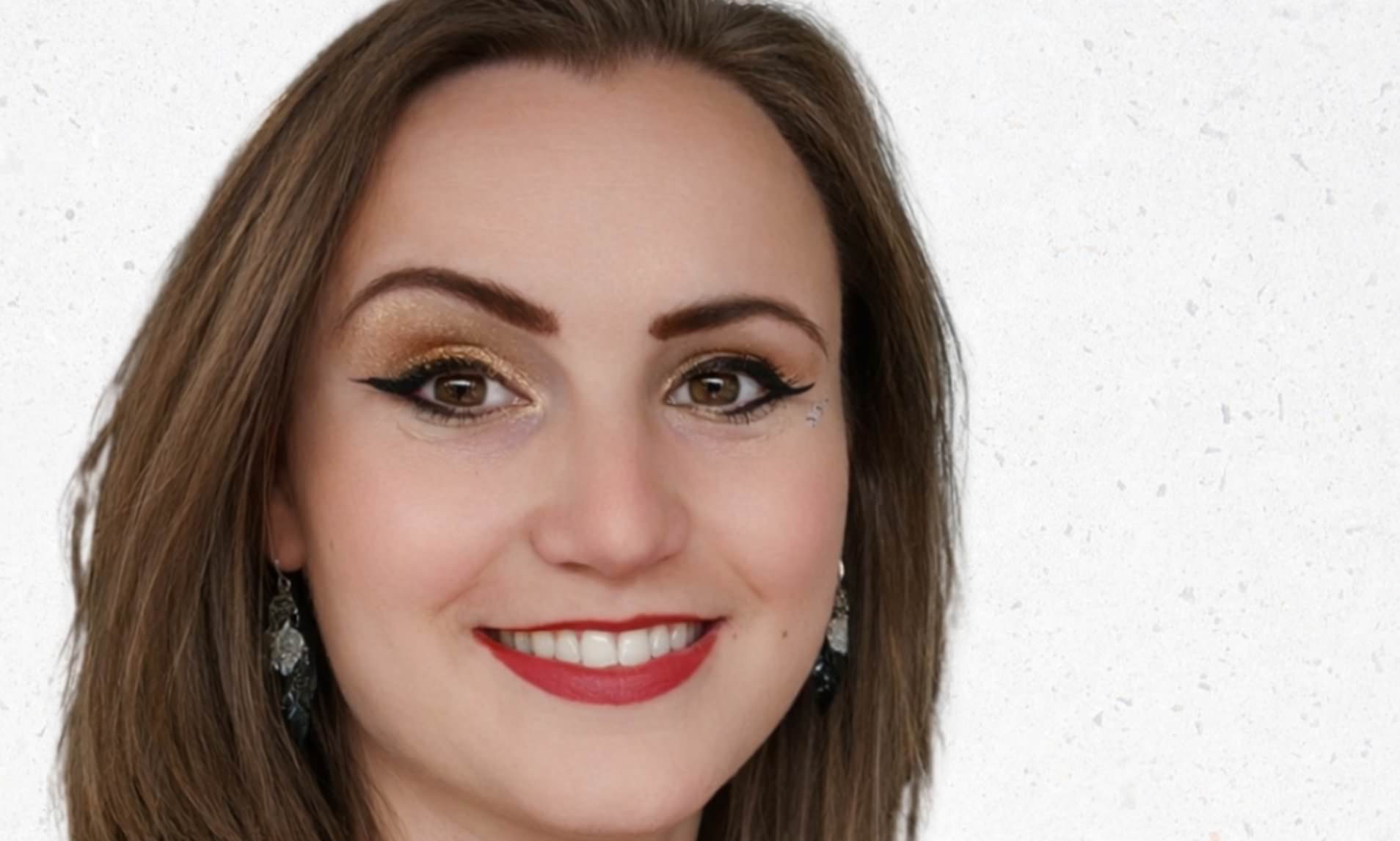
Leah Spasova, a psychologist, spent over a decade fighting to obtain female sterilisation at her local trust. The procedure, which involves blocking or sealing the fallopian tubes to prevent pregnancy, was denied by the care board, which cited potential regret and costs as its reasoning. However, the health ombudsman has now ruled in her favor, criticising the Buckinghamshire, Oxfordshire and Berkshire West Integrated Care Board (ICB) for its unfair and inconsistent approach.
The investigation revealed that the ICB had denied women NHS funding based on the risk of “regret” while not applying the same criteria to vasectomies. The findings concluded that the policy was discriminatory and based on subjective reasoning. Additionally, the ombudsman noted that cost-effectiveness arguments were applied inconsistently, with male sterilisation recommended for funding without updated cost data.
Ms Spasova described the policy as “absolutely discriminatory.” She expressed frustration that decisions about her body were made based on unseen criteria, stating:
“Someone else is making decisions about your body based on criteria you can’t even see. Policies like this are damaging for women’s healthcare and women’s access to health services – it’s absolutely discriminatory.”
She also highlighted the ongoing inequality in how permanent contraception is accessed, noting that concerns about fairness and respect for women’s bodily autonomy remain unresolved.

The ombudsman has recommended that the ICB write to Ms Spasova to acknowledge its failings. It also suggested that there may be similar issues across multiple areas of the NHS.
Paula Sussex, from the Patient Rights and Healthcare Ombudsman (PHSO), stated:
“The issue highlighted in Leah’s case about the commissioning and managing of services by ICBs is not an isolated one. We are concerned that there may be similar wider problems affecting multiple areas of healthcare, and we have concerns that the system is not consistently meeting people’s needs and is letting patients down.”
She added that the NHS often struggles with unclear explanations of treatment or diagnosis, confusing pathways, a lack of updates while patients wait for care, and poorly communicated changes to provision.
“This case shows the power of the patient voice. Leah complained about her experience and the ICB is now reviewing its sterilisation policy.”
The outcome of this case underscores the importance of addressing systemic biases and ensuring equitable access to healthcare services. It also highlights the need for transparency and consistency in medical decision-making, particularly when it comes to procedures that impact a person’s reproductive rights.