Tasmania School Faces Criticism Over Deepfake Incident Response
Tasmania’s education minister has taken action following a parent’s complaint regarding how a Hobart school managed an incident involving AI-generated deepfake pornography. The case has sparked concerns about the handling of student safety and the support provided to affected students.
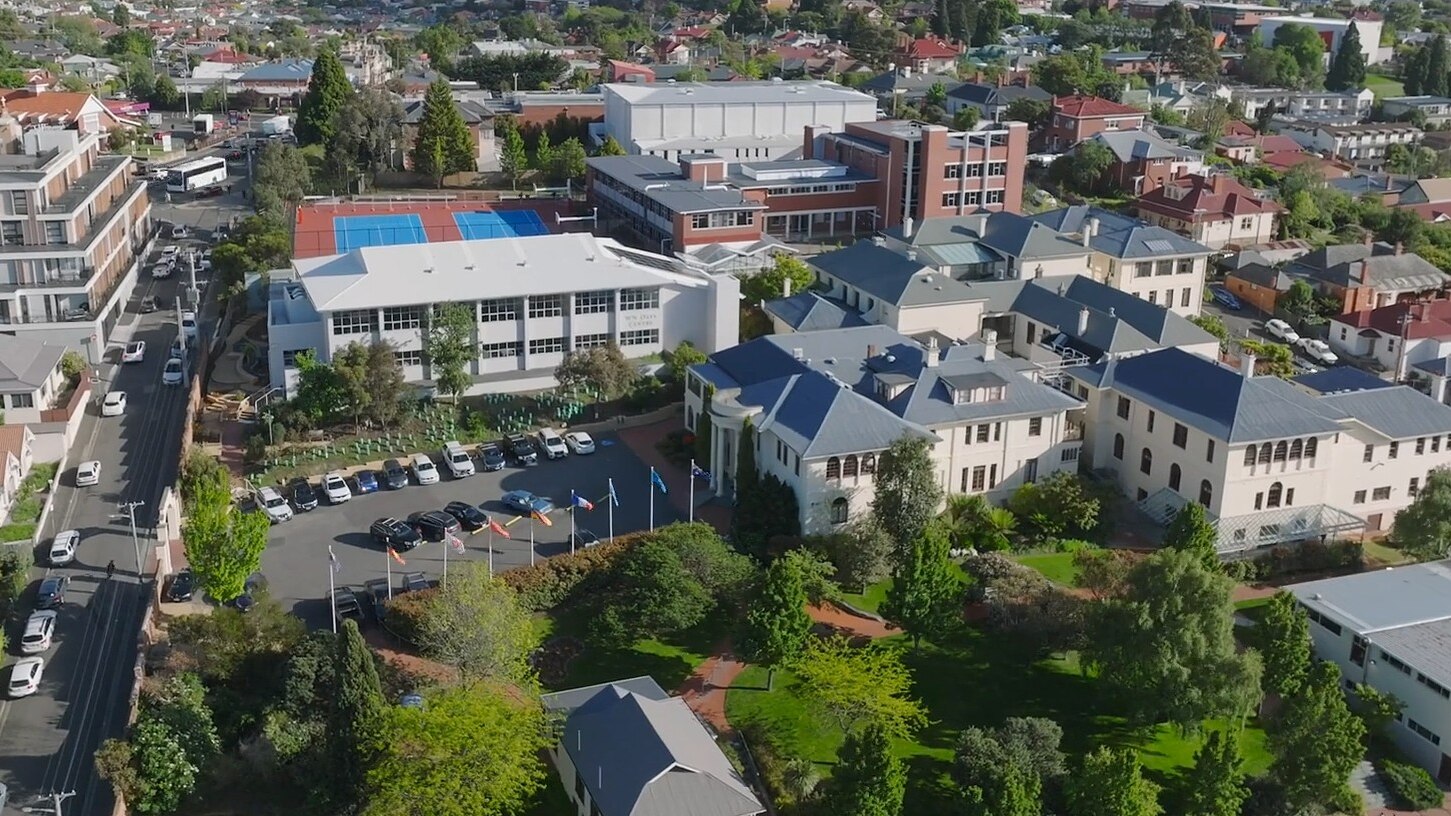
The Friends’ School, recognized as the world’s largest Quaker school, is at the center of the controversy. According to Tasmania Police, several girls at the school had their images used in the creation of deepfake pornographic material. Parents of two of the children reported that 21 victims had been identified by police.
A deepfake is a digital manipulation where a person’s image or video is altered using artificial intelligence to create a false representation. In this case, the misuse of such technology has led to significant distress among the students involved.
Impact on Students and Families
Five male students have since left the school, but parents of the affected girls claim their daughters are struggling with uncertainty and a lack of clear guidance. One mother shared her experience with the ABC, revealing that she first learned about the incident through “chatter” from her daughter in early March.
On April 1, a senior staff member at the school contacted her, informing her that her daughter’s image was involved. The mother expressed concern when the staff member suggested that most parents would not inform their children about their involvement in the deepfake material.
“I felt I was being encouraged not to tell my daughter,” she said. “We’re talking about sexual assault, about child pornography, and they’re taking our girls’ voices away from them.”
She emphasized that the girls have a right to know about their involvement and to be educated on how to handle such situations.
Education Minister’s Response
In response to the mother’s concerns, Education Minister Jo Palmer stated that the matter had been referred to the Non-Government School Registrations Board (NGSRB) for review. She acknowledged the distress caused by the situation and emphasized that the NGSRB would ensure compliance with school policies.
Ms. Palmer noted that the school is a non-government institution and therefore falls under the jurisdiction of the NGSRB.
School’s Actions and Communication
In an email to parents, Principal Esther Hill stated that the school had acted promptly, in line with its child safety obligations. She mentioned that families of impacted students had been informed in a “careful and supportive manner,” guided by police and expert advice.
The school also claimed to have conducted a review of its processes, policies, and actions, seeking external input to ensure best practices moving forward. However, some parents feel the response was inadequate.
Parental Concerns and Calls for Support
One parent decided to inform her daughter about the incident despite the school’s recommendation against it. She described the phone call from the school as cautious and lacking in detail. She was told that the boys involved had all been removed from the school, and that most parents were not going to tell their daughters.
Another parent, who initially believed the incident did not affect her daughter, was shocked when the school confirmed her daughter’s image had been used in deepfake pornography.
Both parents requested to speak with police, who revealed that the images had been shared in a boys’ group chat and likely taken from social media. Five boys are alleged to have created the images, and all have since left the school.
Legal and Educational Implications
Tasmania Police stated that no charges had been laid, and the youths involved were being dealt with according to the Youth Justice Act. They also mentioned working closely with the school to provide education and support resources for the wider community.
In a recent development, a 19-year-old South Australian man became the first person in Australia to be prosecuted under a new federal law targeting deepfake adult pornography.
The e-Safety Commissioner highlighted that laws around deepfakes are evolving, with increasing recognition of the harm they can cause. An e-Safety toolkit for schools emphasizes the need for awareness and education on responsible use of technology.
Calls for Better Communication and Support
Both parents expressed disappointment with the school’s response, suggesting that affected students should be brought together to address the issue. One parent questioned why the school had not facilitated a discussion among the girls.
“They’re at school not talking about it,” one parent said. “It’s almost like there’s an element of shame there.”
The school acknowledges the challenges posed by the increasingly complex digital world and emphasizes the need for shared responsibility between authorities, schools, and families.
Support Services and Recommendations
The Sexual Assault Support Service has noted that deepfakes are becoming a growing concern for young people, families, and schools. Renae Pepper, clinical lead of the PAST program, stressed the importance of responses centered on the safety and well-being of those affected.
She recommended the PAST program for parents concerned about their children’s involvement with deepfakes or similar content.
The Non-Government Schools Registration Board has not commented on individual matters, but the situation highlights the urgent need for better communication and support systems in schools.