G8 Education Announces Closure of Up to 40 Childcare Centres
Australia’s largest private childcare centre operator, G8 Education, is planning to close up to 40 centres – nearly 10 per cent of its operations – in response to an ongoing occupancy slump, rising costs, and the fallout from last year’s childcare sex abuse scandal. The decision comes as the company faces significant financial and reputational challenges.
Ahead of its shareholder meeting in Brisbane on Wednesday, G8 informed investors that it will suspend operations at around 40 underperforming centres while it considers “longer-term options for those centres including lease surrender, divestment or other alternatives.” The company emphasized that it aims to transition families to nearby centres and redeploy employees where possible.
The G8 chair, Debra Singh, stated that the fundamentals of the business remain strong, and the company is in good shape. She highlighted the focus on disciplined execution, strengthening performance, and delivering sustainable value for shareholders.
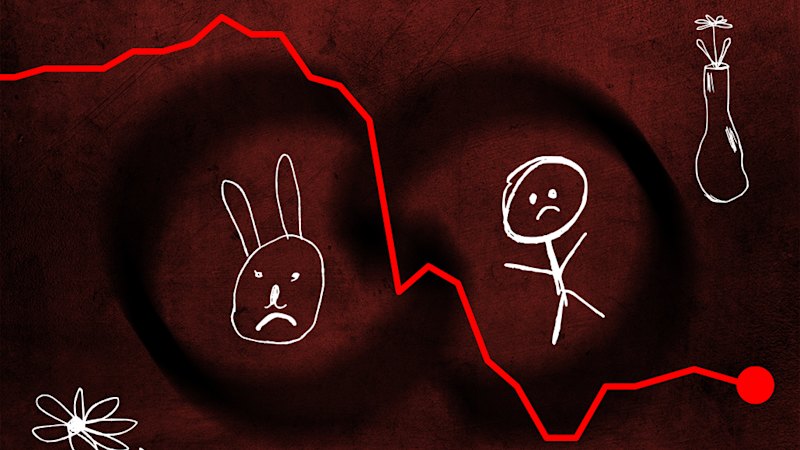
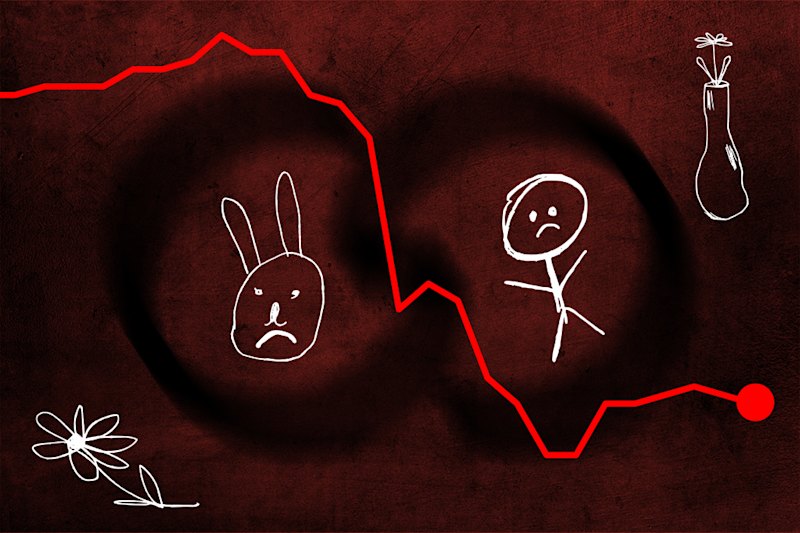
However, the company’s shares have slumped to a 17-year low of 15.5¢ on Wednesday. Over the last year, they have dived more than 87 per cent after charges were laid against accused paedophile Joshua Brown over alleged sexual abuse of children in his care at centres in Victoria, which included G8 Education centres.
Impact of the Scandal and Financial Challenges
G8 is not expecting a swift recovery from a slump that has seen occupancy levels across the childcare sector drop compared to 2024 and 2025. The group blames sustained affordability pressures, falling birth rates, rising supply of long day care, but also “confidence being impacted by serious child safety incidents.”
The company is also looking at procurement and cost-saving initiatives that do not impact safety, compliance, or the capacity of its team to deliver high-quality education and care. G8 chief executive Pejman Okhovat said that while the operating environment means the company does not expect a material recovery in occupancy relative to the prior corresponding period this year, it will continue to review and adjust the operating model and cost base of the group where appropriate.
The company’s trading update confirmed that the alarming exodus from its centres has continued since it reported problems early this year. As of April 24, G8 said spot occupancy levels at its centres were 56.4 per cent, down 7 percentage points from the prior period, while year-to-date occupancy dropped 7.9 percentage points to 56.1 per cent.
Regulatory and Compliance Costs
In response, G8 Education has proactively assessed its network to ensure it remains sustainable, resilient, and well positioned to continue delivering safe, high-quality early education and care over the long term. The company has carefully considered where its resources can be most effectively allocated to support quality early education and care outcomes.
RBC Capital analyst Wei-Weng Chen noted that this level of decline in occupancy levels would typically result in a $40 million impact to earnings before interest and tax (EBIT) on an unmitigated basis. However, none of G8’s mitigation steps announced are quantified, so it is difficult to accurately ascertain the full earnings impact at present.
G8 is also getting hit with soaring regulatory and compliance costs in response to the scandal, which include installing CCTV cameras across its centres. Earlier this year, Australia’s education ministers said NSW and Victoria “will increase annual service fees by up to tenfold for services owned by large for-profit providers … to reflect increases in the volume, risk and complexity of regulatory activities.”
Financial Adjustments and Investor Concerns
In February, G8 wrote down the value of its centres by $350 million based on their “projected future occupancy” and “current and expected supply and demand levels” as occupancy levels dropped below COVID levels. It also announced plans to conserve its cash.
At the time, RBC noted the impact of the accused paedophile Brown’s arrest in the second half of 2025 on G8’s occupancy levels and expressed concern that G8’s dismal performance might be a continuation of that trend rather than a seasonal demand issue. RBC highlighted that even through the COVID period, G8’s occupancy remained above 60 per cent and never saw a half-year occupancy decline more than 4.5 percentage points.
G8 is losing the support of investors too. Last year, Vision Super sold out of the childcare operator and put the company on its excluded investments list, alongside tobacco companies and weapons manufacturers. The super fund’s chief investment officer, Michael Wyrsch, stated that the media coverage of the incidents at G8 Education has been deeply disturbing.