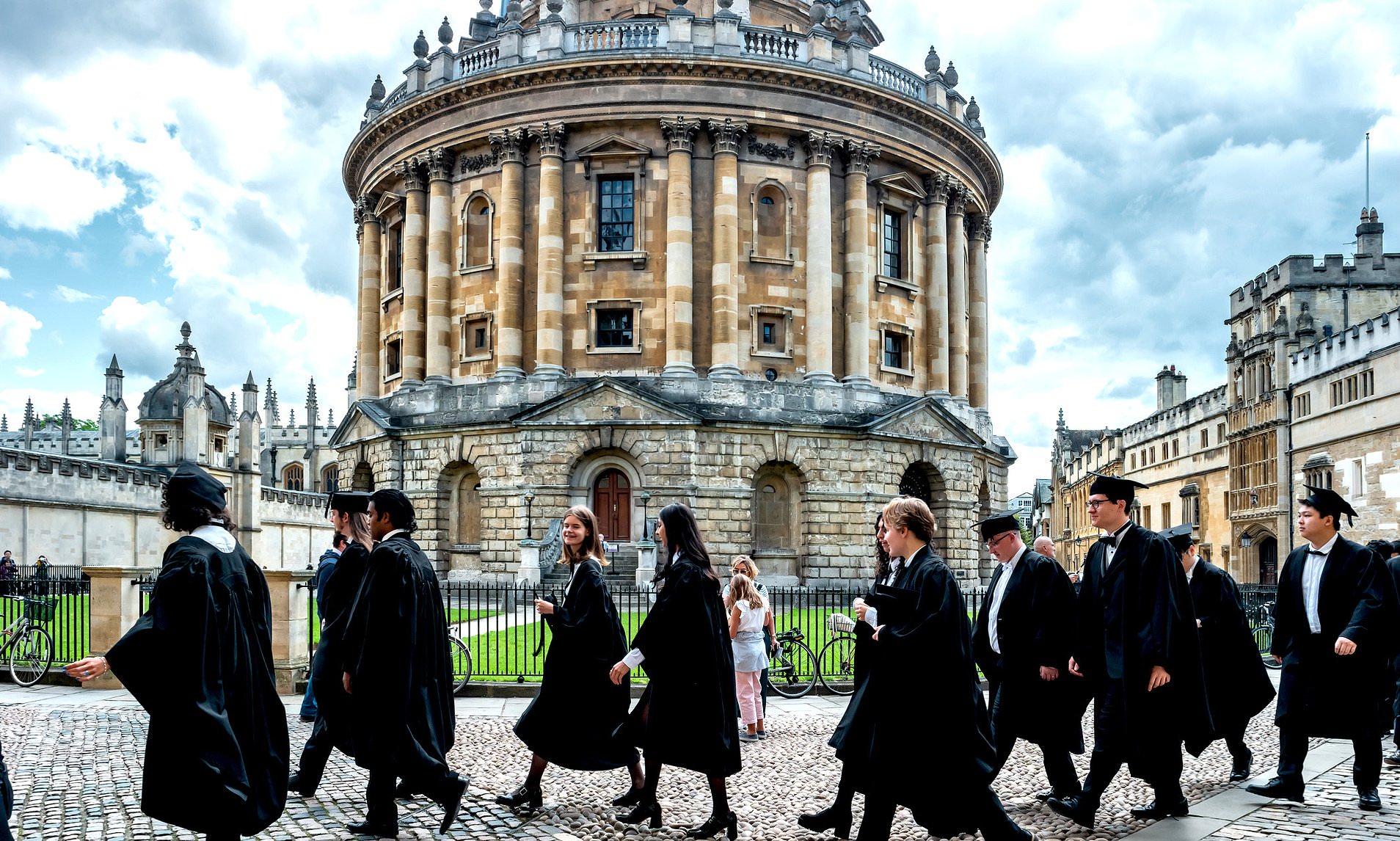
The Debate Over Oxbridge Admissions: A Call for Change
Oxford and Cambridge universities have long been revered for their unique college-based admissions system, a structure that has remained largely unchanged for centuries. However, recent calls for reform have sparked a heated debate about whether this traditional model is still fit for purpose in the modern era.
A new report from the Higher Education Policy Institute (Hepi) has raised concerns that the current system may be inadvertently disadvantaging students from disadvantaged backgrounds. According to the report, the way Oxbridge applicants apply—directly to individual colleges rather than through a centralised process—creates significant barriers for those who lack access to detailed guidance or support.
The report argues that the existing system, which allows college tutors to engage directly with applicants during interviews, may not be as inclusive as it could be. It highlights that some pupils are unable to navigate the complex and opaque nature of the process, particularly those from schools with limited resources or no prior experience with Oxbridge.
Challenges of the Current System
One of the main criticisms of the current system is its lack of standardisation. The report points out that there are significant disparities in outreach spending and grade requirements between different colleges. This means that a student’s chances of success may depend more on which college they apply to than on their actual academic ability or potential.
The report also notes that the highest-spending colleges allocate 12 times more to diversity, equity, and inclusion (DEI) initiatives than the lowest-budgeting ones. This imbalance, it argues, risks disadvantaging students from underrepresented backgrounds who may not have the same opportunities to prepare for the rigorous interview process.
Calls for a Centralised Approach
To address these issues, the report recommends scrapping the current system in favour of a fully centralised approach, similar to what is used by other UK universities. Under this model, applications would be assessed by academic departments rather than individual colleges, ensuring a more consistent and transparent process.
However, not everyone agrees with this proposal. Professor Anthony Glees, a security expert at Buckingham University and an Oxford alumnus, warned that dismantling the link between tutors and candidates would undermine the very essence of the Oxbridge experience. He argued that the college system provides a vital support network for students, one that many value highly.
Chris McGovern of the Campaign for Real Education echoed this sentiment, suggesting that a “one size fits all” approach would stifle the flexibility and adaptability that the college system offers. He stressed that the current model allows for a more nuanced assessment of applicants, taking into account their diverse backgrounds and abilities.
Responses from Oxbridge
In response to the report, both Oxford and Cambridge have defended their current admissions processes. A Cambridge spokesperson highlighted the university’s commitment to widening participation, noting that it has made significant progress over the past decade. They added that they remain dedicated to attracting students with the greatest potential to thrive at the university.
An Oxford spokesperson took a more direct stance, disputing the findings of the Hepi report. They argued that the college-based admissions process enables a more informed and comprehensive evaluation of applicants, ensuring that the student body reflects a wide range of talents and backgrounds.
The Future of Oxbridge Admissions
As the debate continues, it remains to be seen whether Oxbridge will embrace the recommendations put forward by Hepi or continue to defend its time-honoured traditions. While the call for greater diversity and inclusion is gaining momentum, so too is the argument for preserving the unique aspects of the college system.
For now, the question remains: can Oxbridge reconcile its historical legacy with the demands of a more equitable and inclusive future? Only time will tell.