The Challenges of Wet Conditions in Formula 1
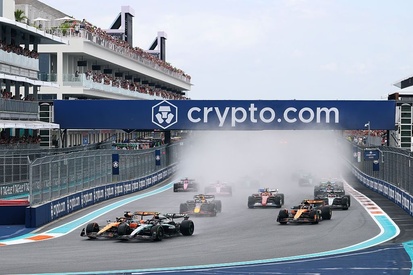
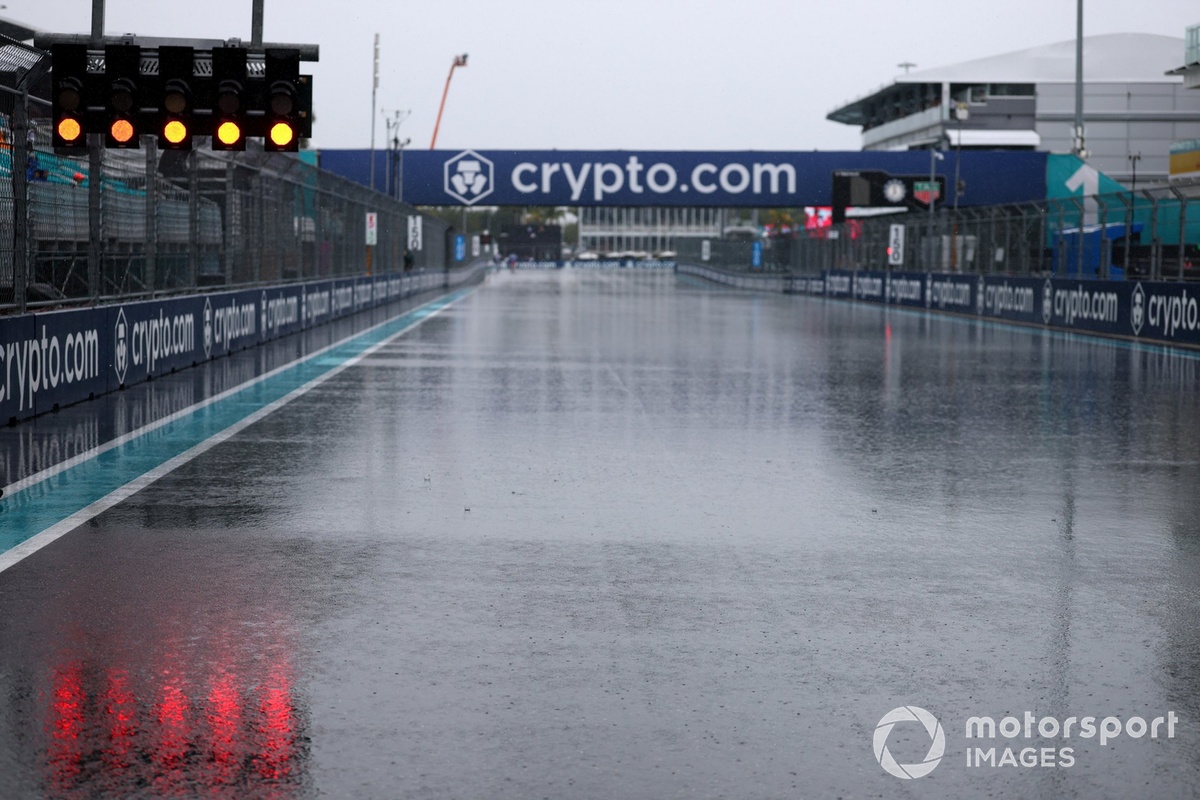
For years, the F1 paddock has been filled with pessimistic predictions from those who see the worst in every situation. This is especially true on Thursday of a race weekend, when weather forecasts for Sunday often spark discussions about potential disruptions. In Miami, however, this concern has taken on new significance due to the decision to move the start of Sunday’s race from 4pm to 1pm local time in response to forecast thunderstorms.
The impact of these changes extends beyond just scheduling. The current state of F1’s preparedness for wet events is sub-optimal, particularly given the recent changes in tyre sizes and the limited opportunities for testing under similar conditions. Even the increase in blanket temperatures for intermediate tyres – from 60C to 70C – as part of pre-Miami rule adjustments, is still considered experimental.
Understanding the New Intermediate Tyres
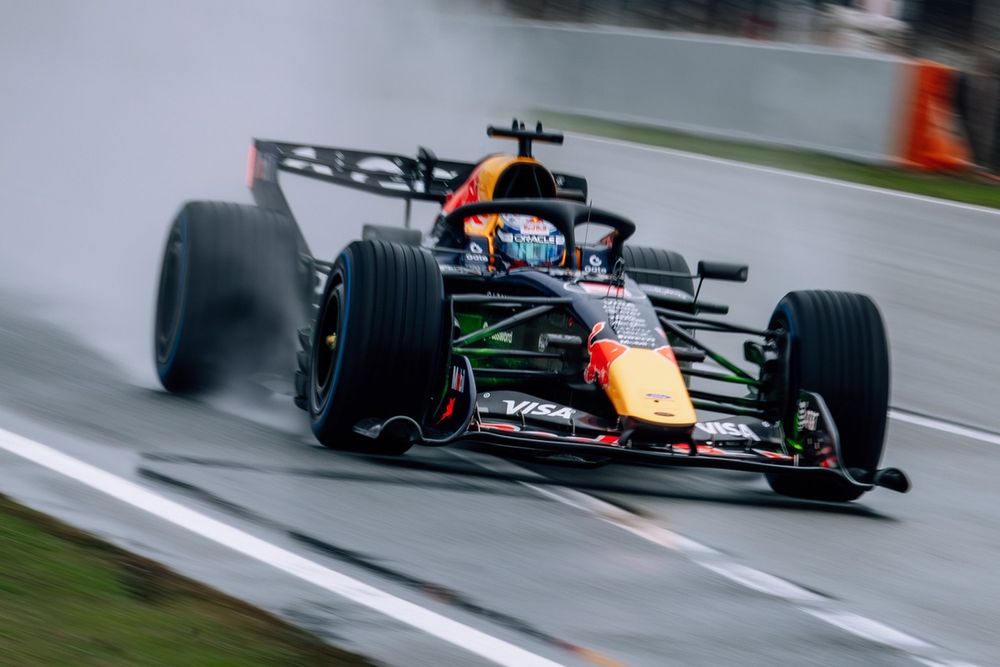
During the pre-season ‘shakedown week’ in Barcelona in January, teams and drivers first encountered some of the challenges posed by the new intermediate-compound tyres. On day two, which was wet, only Red Bull and Ferrari took to the track with a single car each. The main takeaway was that the new intermediates were slower to warm up and “switch on” compared to previous versions.
Pirelli’s approach has been to maintain the philosophy of a “family” of tyre compounds, but the new design has required changes in construction and materials to accommodate the shift in size. The front tyres have narrowed by 25 mm (to 280mm), while the rears have narrowed by 30 mm. Both are also slightly lower in profile, with a reduction of 15 mm at the front and 10 mm at the rear.
These changes mean less tread on the track surface and a slightly smaller internal volume, which affects how energy is distributed through the tyre structure. Some of this energy is lost as heat during deformation under load. Within the F1 paddock, there is a sense that while Pirelli has successfully carried over the characteristics of the previous slick tyres, the intermediates may be too robust.
Full Wets and Testing Challenges
The full wets remain a work-in-progress. Historically, they have been effective at displacing large amounts of water, but they tend to overheat quickly. By the time track conditions deteriorate enough to require them, a red flag is often imminent. Pirelli has been working to make these tyres more “raceable,” but opportunities for testing are limited, and political tensions often arise when teams are concerned about rivals gaining track time with current cars.
Since January, Pirelli has been accelerating its learning about the behavior of the intermediates. A recent test with Ferrari at an artificially wetted Fiorano in April provided valuable data, although it did not yield a broad spread of relevant like-for-like information. For this, more cars running on track in representative conditions would be ideal. If rain were to strike during practice for a grand prix weekend, it would be beneficial; failing that, a race would also provide useful data, though competitors might not always see it that way.
Insights from Pirelli’s Testing
Pirelli chief engineer Simone Berra highlighted the early phase of testing in Barcelona, where Ferrari and Red Bull tested on day two. He noted that the cold conditions and standing water provided initial feedback, with teams commenting on the difficulty of warming up the tyres in such conditions.
In Japan, Pirelli faced challenges due to rain, which disrupted plans to test dry tyres but allowed some wet and intermediate running. Driver feedback indicated continued difficulties with warm-up, especially on the front axle. Berra explained that starting at 60 degrees and not generating enough energy could lead to a “snowball effect” where the tyres lose temperature and struggle to perform.
To address this, Pirelli decided to increase the blanket temperature to 70 degrees in agreement with the teams and the FIA. While a proposal for 80 degrees was considered, the first step was to evaluate the impact of 70 degrees before moving forward.
The Role of Temperature in Tyre Performance
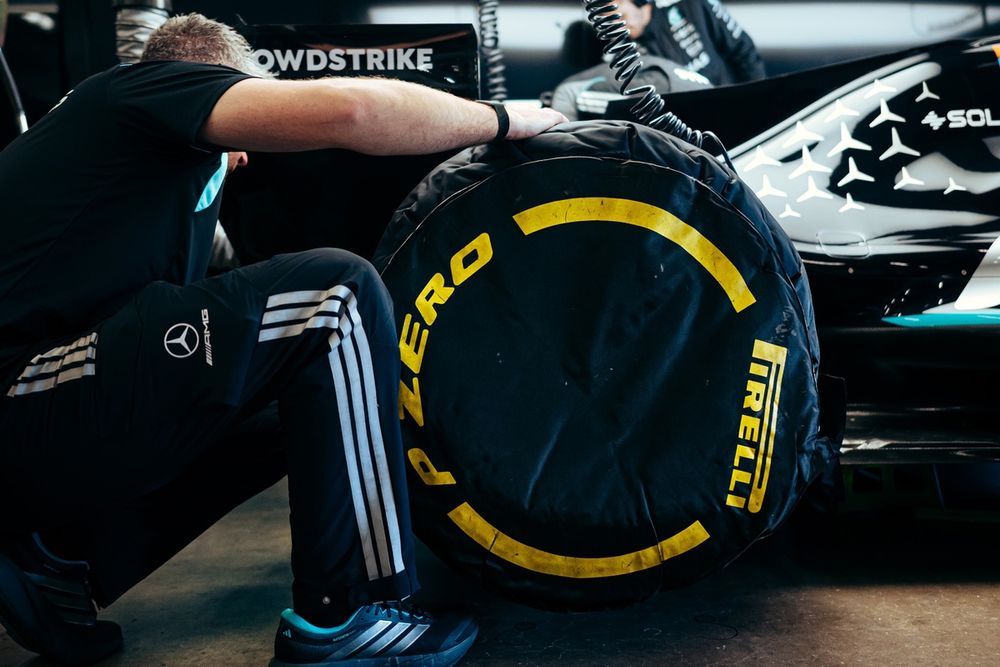
The principle behind raising the blanket temperatures is to give the tyres a head start. When a tyre rolls, energy goes through it as it compresses at the contact patch and rebounds. Some of this energy is lost as heat during the process. F1 tyres are engineered to perform best within specific temperature ranges: intermediates between 80-100°C and slicks between 90-110°C.
The normal procedure is to pre-heat race tyres in blankets to 60°C, allowing hysteresis to do the rest. However, the experience so far suggests that the intermediate compound isn’t deforming enough under load to generate the necessary warm-up. Raising the blankets to 70°C is a logical adjustment, but its effectiveness must be evaluated across a wide range of operating conditions before any further changes are made.
Preparing for the Unknown
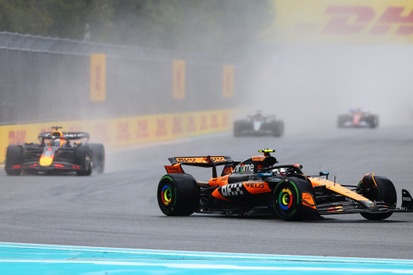
Berra emphasized that if it rains on Sunday, it will be a different scenario compared to previous tests. The higher temperatures in Miami could provide new insights into how the tyres perform. In Montreal, for example, colder conditions and lower energy abrasion on the circuit could offer additional data points.
Ultimately, Pirelli aims to support the teams by gathering more information and making informed decisions together. As Berra concluded, the goal is to ensure that any adjustments made are in the best interest of performance and safety.