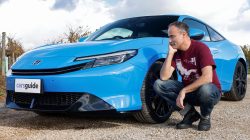
Honda Civic Type R Sales Throttled by Australian Emissions Rules
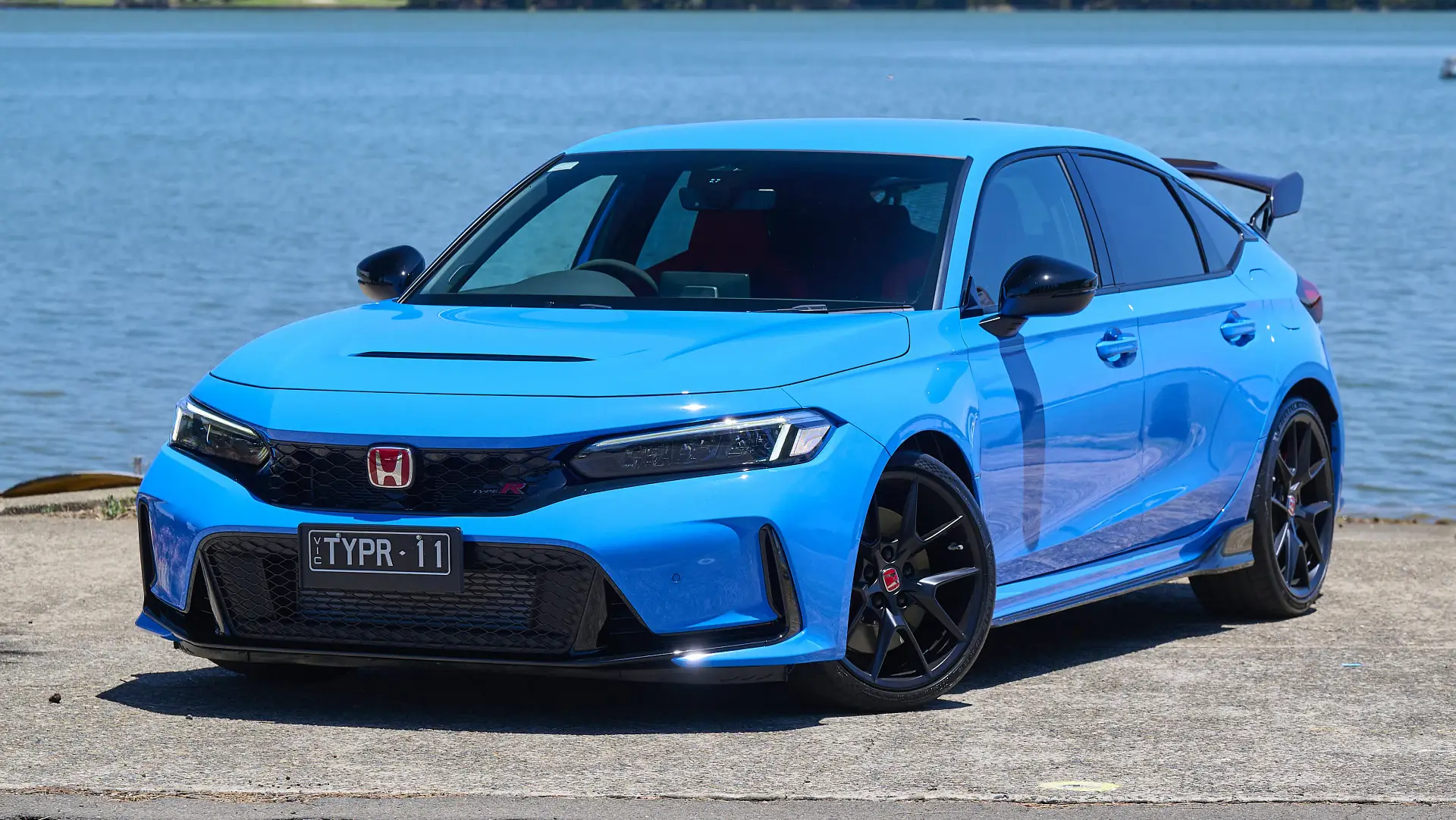
Honda is taking a cautious approach with the shipment of its high-performance Civic Type R in Australia, ensuring that it does not face excessive government fines due to non-compliance with strict new-car emissions targets. The company’s strategy involves keeping the supply of the hot hatch tightly controlled to maintain balance between demand and regulatory requirements.
Australia’s tough CO2 emission rules are playing a significant role in limiting the sales of the Civic Type R. These regulations penalize automakers for selling vehicles that do not meet stringent CO2 targets. As a result, Honda has had to reduce the number of Civic Type Rs imported into the country. This move is part of a broader effort to manage its overall carbon footprint while still meeting consumer demand for performance cars.
Production of the Civic Type R in Japan is already limited, but Australian regulations have forced further reductions in shipments. To offset the emissions from one Type R, Honda needs to sell two regular Civic hybrids or three CR-V hybrids. Despite this challenge, demand for the Type R has remained strong since its arrival in 2023 at a price of $72,600.
Robert Thorp, director of Honda Australia, acknowledged the challenges posed by the emissions regulations. “Supply [of Civic Type R] is okay, but we are managing it pretty tightly,” he said. He noted that the current market conditions, particularly around the New Vehicle Efficiency Standard (NVES), make it harder to manage the supply effectively. “We’re managing it pretty tightly,” he added.
Thorp also mentioned that demand continues to outstrip the limited stock available in showrooms. “At the moment, yes. We’re securing production in lots, which we’re having to manage tightly, particularly from a regulation point of view, and trying to match the demand as best we can.”
When asked if Honda was holding back stock to limit the Type R’s impact on the brand’s CO2 emissions average, Thorp responded, “We’re trying to find the balance.” This balancing act is essential for maintaining compliance with emissions targets while still offering high-performance models like the Type R.
Hyundai, a competitor in the performance car market, has faced a $4.2 million fine for not meeting emissions rules related to its N high-performance range. The Korean brand sees this as a necessary cost to keep its performance cars alive. To offset these fines, Hyundai has increased prices of its N cars by up to $2000.
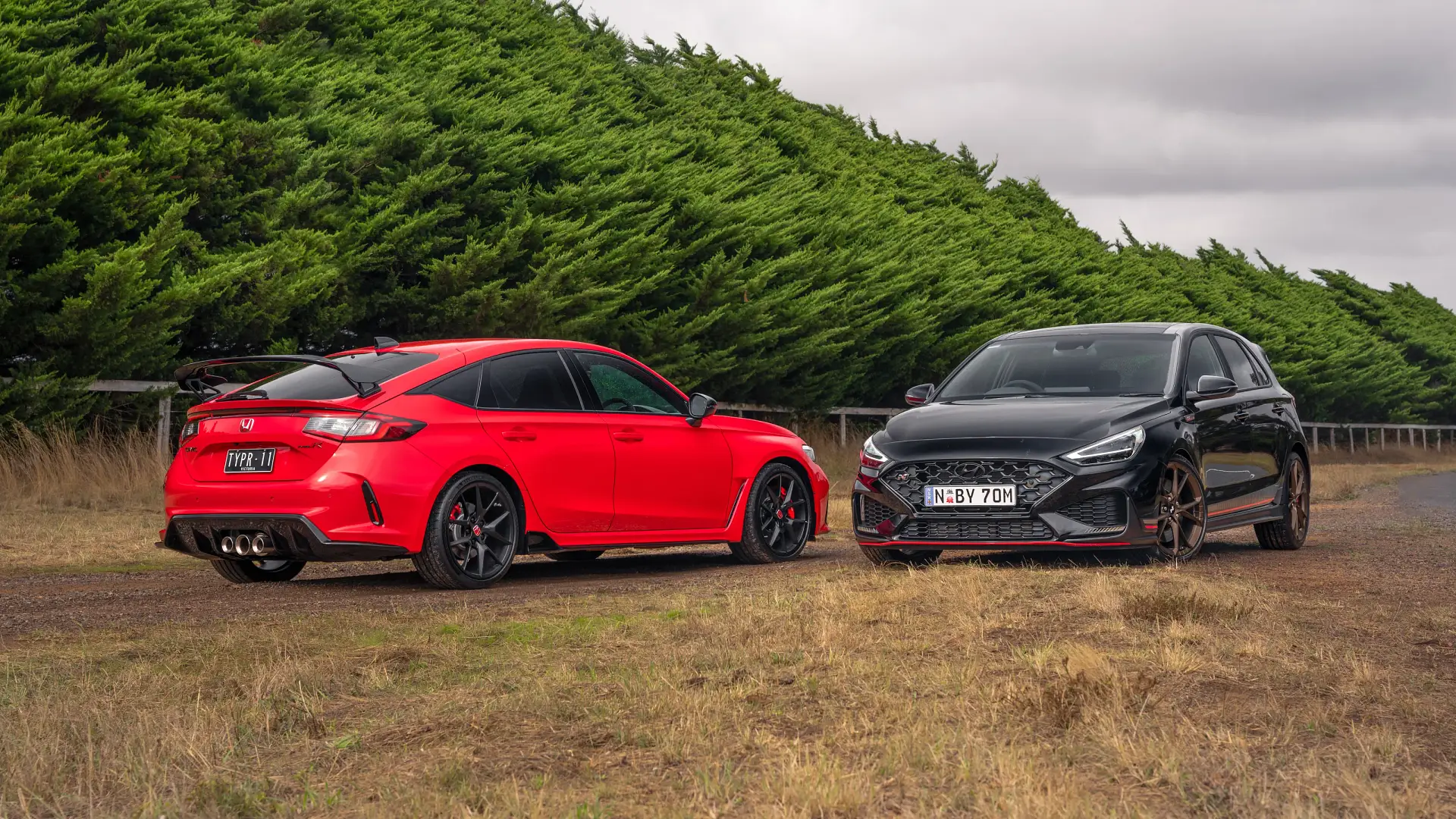
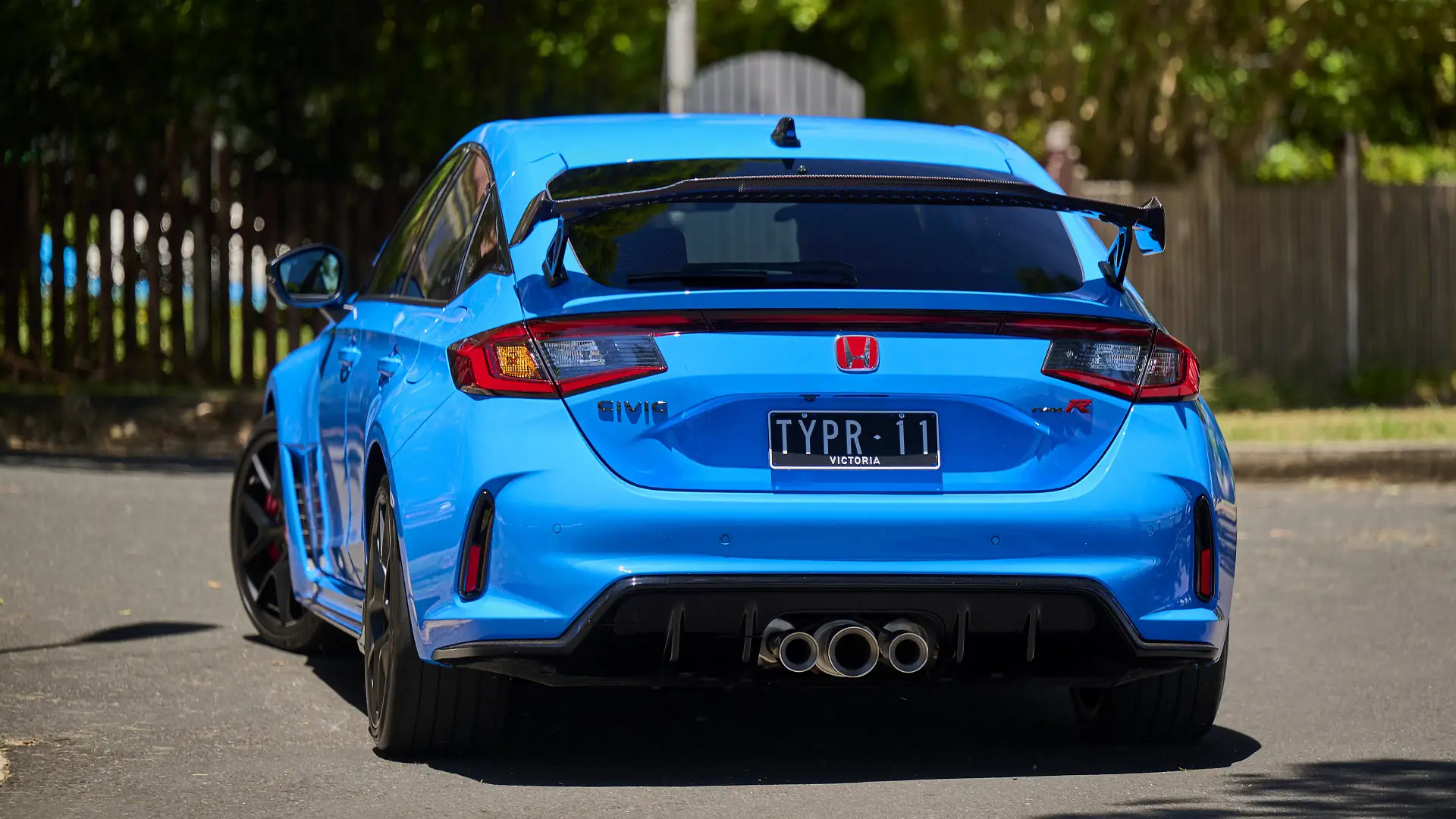
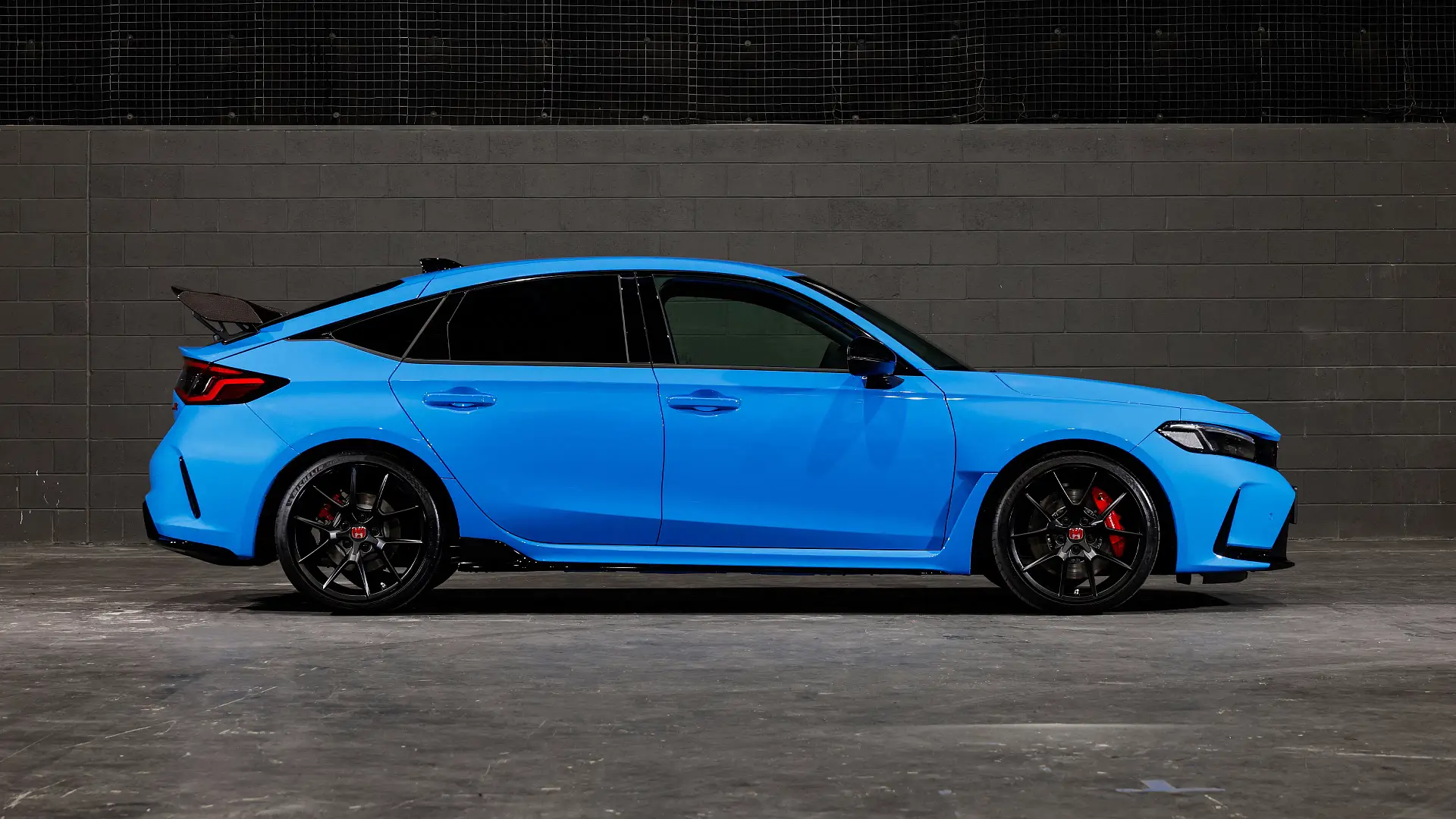
The price of the Civic Type R has also risen over the years, now standing at $85,500. This increase reflects the rising costs associated with meeting emissions standards. While features such as a carbon-fibre rear wing, previously an optional extra, are now included in the base price, the Type R remains significantly more expensive than it was three years ago.
“I think for the package we’ve got, at the price we’ve got, the demand and supply equation balancing out pretty well,” said Thorp.
Honda reported 231 Civic Type Rs sold in 2025, up from 430 in 2024, and 892 in 2023. This decline, representing a 75% drop over two years, is a common trend in the performance-car market. Buyers often rush to purchase a new model at the start of its life, leading to a gradual decline in interest as time passes.
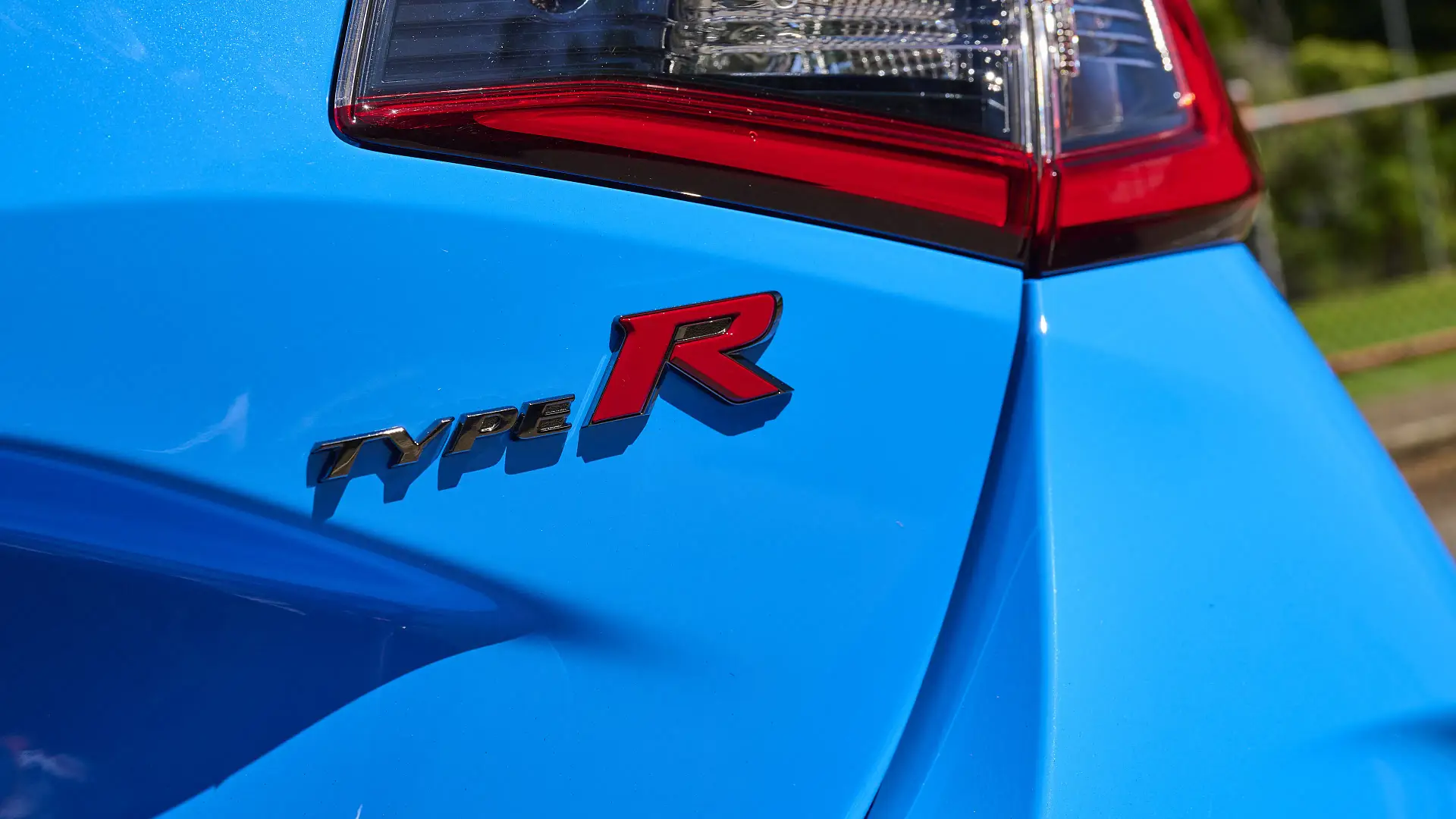
The current Civic Type R is widely believed to be the last of its kind before a next-generation version adopts hybrid assistance and, presumably, an automatic transmission. Honda USA has confirmed that an exterior and interior update is planned for the Civic Type R in 2026, suggesting it has at least 12 months left before being phased out alongside the arrival of the next Civic hatch donor car in 2027.
Details of the update remain unclear, and Thorp declined to confirm whether a ‘facelift’ is coming. However, based on previous generations, minor tweaks to the front bumper and changes seen on the regular Civic, such as USB-C charging ports and Google features built into the infotainment screen, are expected.
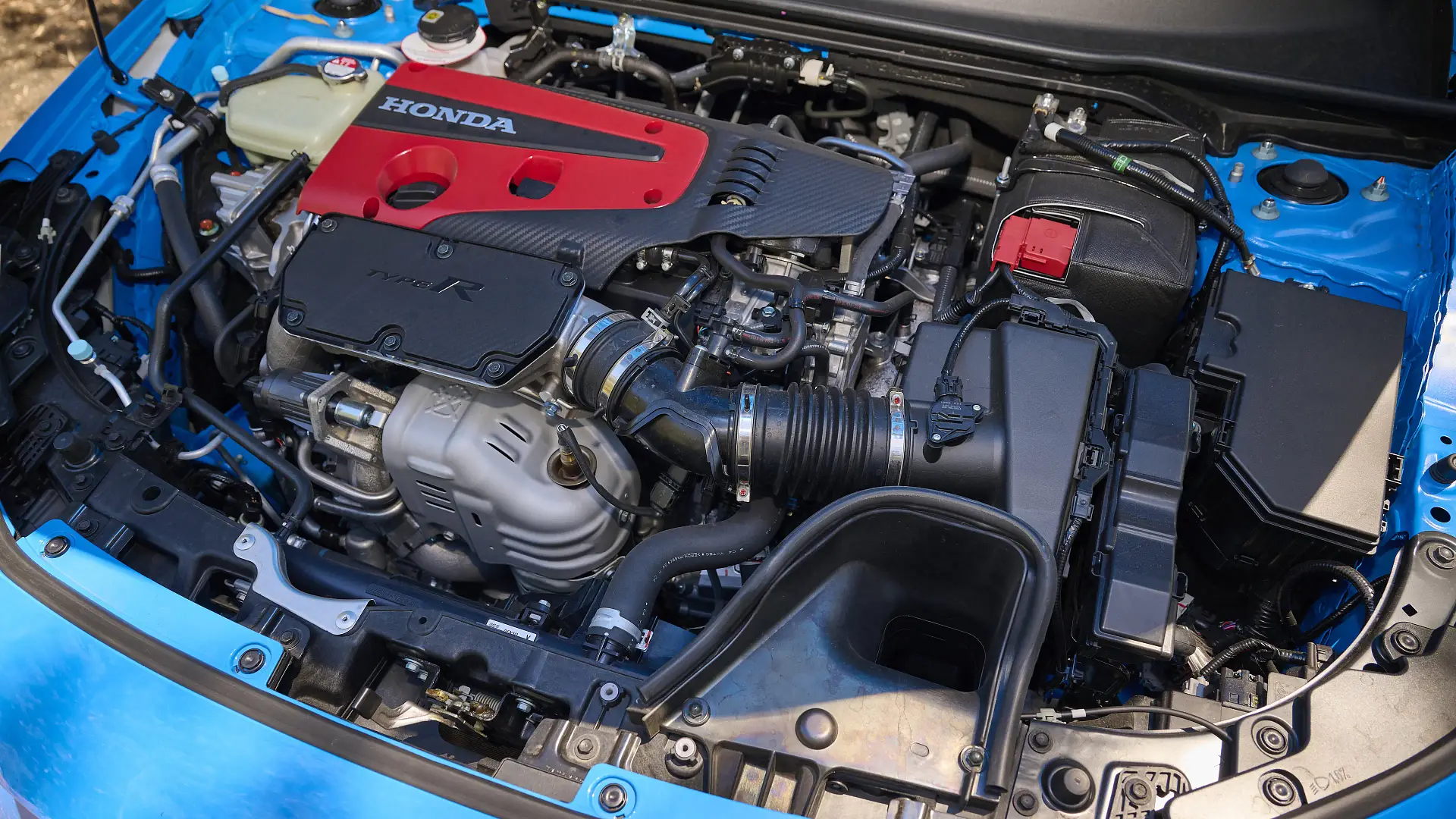
No changes are anticipated for the 235kW/420Nm 2.0-litre turbocharged four-cylinder petrol engine—especially in regular versions—matched with a six-speed manual transmission and front-wheel drive. A top-of-the-range HRC performance edition is expected, featuring more aggressive aerodynamics, stickier Michelin tyres, revised suspension, an Akrapovic exhaust, and more power from the 2.0-litre engine.