The Hippo Legacy of Pablo Escobar
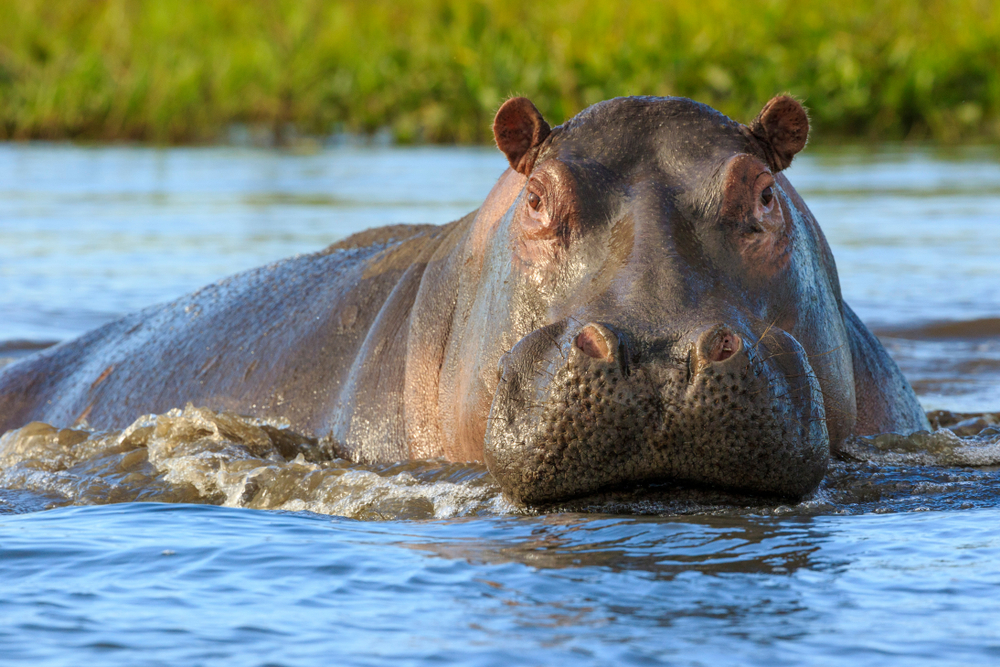
A recent report has highlighted an unusual and complex situation involving a herd of hippos in Colombia, which are descendants of animals once owned by the infamous drug lord Pablo Escobar. These hippos have become a significant environmental concern due to their rapid population growth, leading to discussions about potential solutions for their future.
Origins of the Hippo Herd
In the 1980s, Pablo Escobar brought a small number of exotic species, including two hippos, to his private estate in Colombia. After his death in 1993, these animals were left to roam freely, and over the decades, they have multiplied significantly. The warm and wet environment along the Magdalena River has provided ideal conditions for their survival, closely resembling their native African habitat.
Growing Population and Environmental Impact
The hippo population has expanded dramatically, with no natural predators to control their numbers. This has led to ecological disruptions, as the animals compete with native wildlife for resources. Authorities have attempted various measures, such as sterilization, to manage their population, but these efforts have not been sufficient.
Colombian officials have now approved a plan to cull approximately 80 hippos, citing concerns over ecological damage and safety risks to local communities. The decision reflects the growing challenges posed by the invasive species.
A Rescue Proposal
Amidst these developments, Anant Ambani, son of Indian billionaire Mukesh Ambani, has proposed relocating the hippos to Vantara, a private zoo in Gujarat, India. In a public letter, the zoo’s leadership expressed willingness to provide “lifelong care” for the animals, emphasizing their belief in the value of every life and a shared responsibility to protect it.
However, Colombian officials have not yet responded publicly to this offer, leaving the proposal in a state of uncertainty.
Environmental Concerns and Safety Risks
Experts classify the hippos as an invasive species, noting their impact on local ecosystems and the displacement of native wildlife. Reports of attacks on fishing communities have further raised concerns, as these large animals can weigh up to three tonnes. The risks they pose to human safety add another layer of complexity to the situation.
Conservationists’ Divergent Views
While relocation could offer an alternative to culling, conservationists remain divided on the best approach. Some argue that moving the hippos could alleviate pressure on local ecosystems, while others question the long-term viability of such a solution.
Vantara’s Controversial Past
Vantara, which houses thousands of animals across a vast site in western India, has faced criticism from some activists regarding animal welfare and environmental suitability. This history adds a new dimension to the discussion surrounding the relocation proposal.
Broader Implications
The situation highlights the ongoing challenges posed by the legacy of Pablo Escobar, whose actions continue to affect the region decades later. Authorities now face a difficult decision, balancing conservation efforts, public safety, and ethical considerations.
Conclusion
The plight of the hippos in Colombia underscores the complexities of managing invasive species and the ethical dilemmas involved in conservation. As the debate continues, the outcome will likely shape future approaches to similar environmental challenges.