A Legacy of Discovery and Wonder
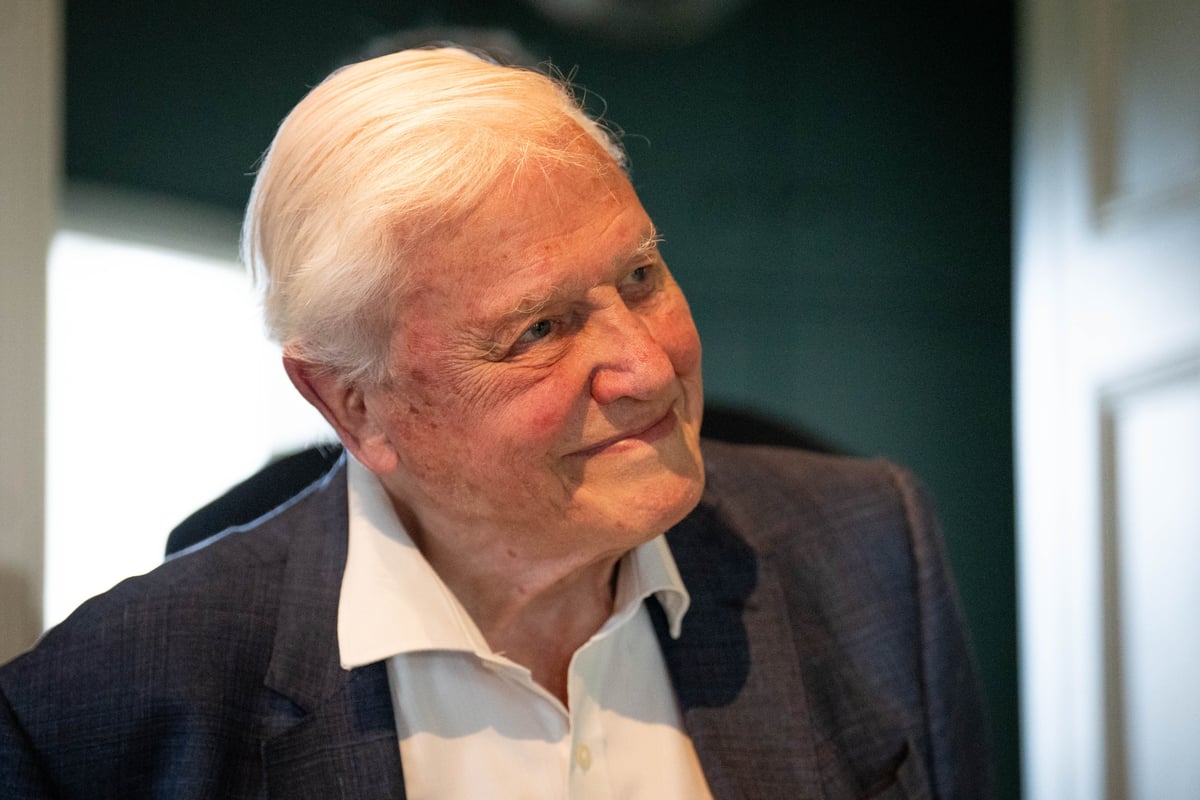
Sir David Attenborough has captivated audiences for decades with his unique ability to bring the natural world into our living rooms. His voice, often described as reassuring, hushed, and reverential, has narrated countless journeys through the wonders of nature, from the ancient past of dinosaurs to the icy landscapes of polar bears. He has inspired generations to explore, learn, and appreciate the intricate web of life on Earth.
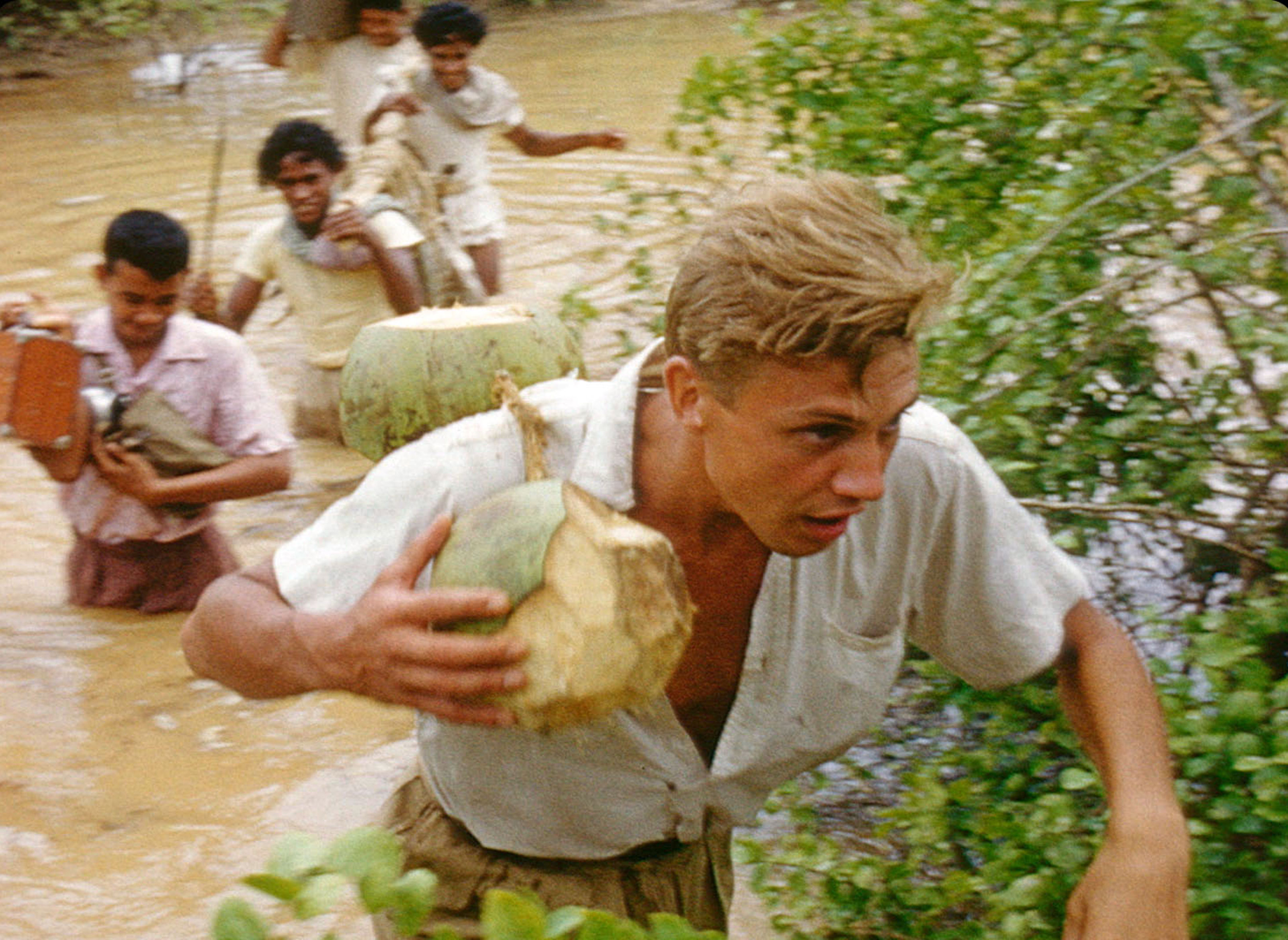
Born on May 8, 1926, his fascination with nature began in childhood when he collected fossils. This early passion led him to pursue a degree in Natural Sciences at Clare College, Cambridge, after attending Wyggeston Grammar School for Boys in Leicester. Before joining the BBC, he served in the Royal Navy from 1947 to 1949. Despite initial discouragement from appearing on screen due to concerns about his teeth, he launched his groundbreaking Zoo Quest series in 1954, which would become a cornerstone of his career.
A Career Marked by Innovation and Passion
Over the years, Sir David has proven to be not only brave and imaginative but also warm and conscientious. He writes his own scripts, although he admits he dislikes writing, and has even won major literary prizes for his work. As a committed Londoner, he is equally at home in the most remote corners of the world. His charm and ability to convey knowledge in an engaging way have made him a unique figure in broadcasting, with many imitating his style but few replicating his success.
Long before environmental issues dominated headlines, Sir David was already a passionate eco-campaigner. His 2000 series State Of The Planet and Are We Changing Planet Earth? in 2006 addressed critical environmental challenges such as global warming. His work has consistently highlighted the importance of conservation and the need to protect the planet’s diverse ecosystems.
A Life of Adventure and Exploration
As a younger man, Sir David was known for traveling in economy class, only accepting upgrades if they extended to his crew. When he turned 75, the BBC reportedly suggested he fly in business class, but he remained humble and often credited the team behind the camera for their contributions. His fearlessness in the face of danger is well-documented, from being attacked by an army of ants to encountering an amorous capercaillie.
His perspective on the natural world has evolved over time. In the early days of his career, wild creatures were seen as curiosities to be captured and displayed in zoos. However, in later works like Attenborough: 60 Years In The Wild, he emphasized a more respectful and empathetic approach toward animals and their habitats.
Contributions Beyond the Screen
Sir David’s influence extends beyond television. As Controller of BBC Two from 1965, he introduced colour television to Britain. Four years later, he became director of programmes, overseeing both BBC TV networks. During this time, he brought popular sports like snooker to television and helped launch the hit series The Forsyte Saga. However, he eventually returned to programme-making, stating, “I haven’t even seen the Galapagos Islands,” and resumed his role as a presenter.
His work includes a wide range of acclaimed series, such as Life On Earth, The Living Planet, and Planet Earth, which was the most expensive nature documentary ever produced by the BBC. These shows have reached millions of viewers worldwide, showcasing the beauty and complexity of the natural world.
A Continuing Legacy
Even as he approaches his 100th year, Sir David continues to work at a remarkable pace. His 2018 series Dynasties and its 2022 sequel explored the secret lives of animals, while Our Planet for Netflix highlighted Earth’s biodiversity and the impact of climate change. Other recent projects include A Perfect Planet, Life In Colour, and Planet Earth III, which used cutting-edge technology to reveal previously unseen landscapes.
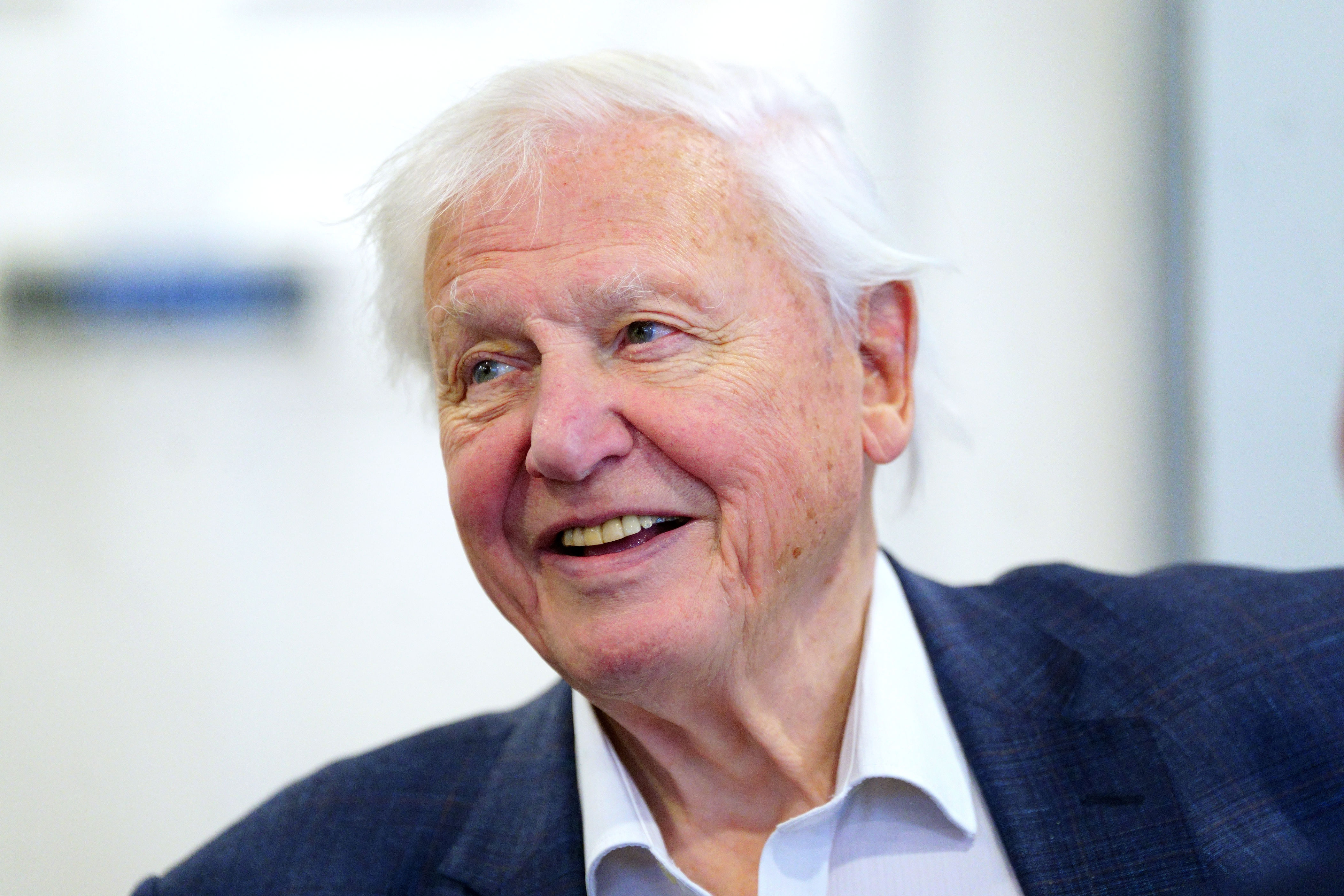
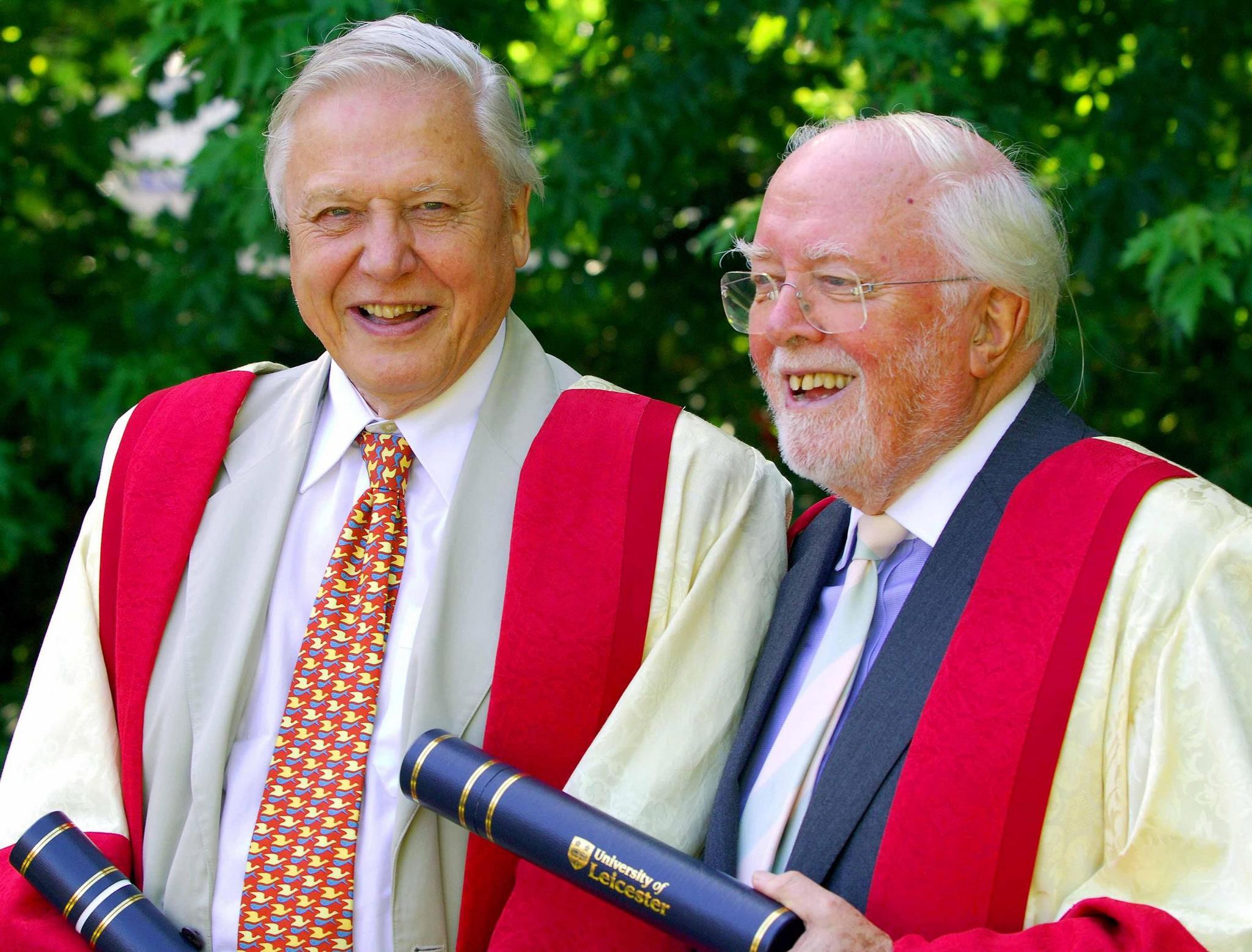
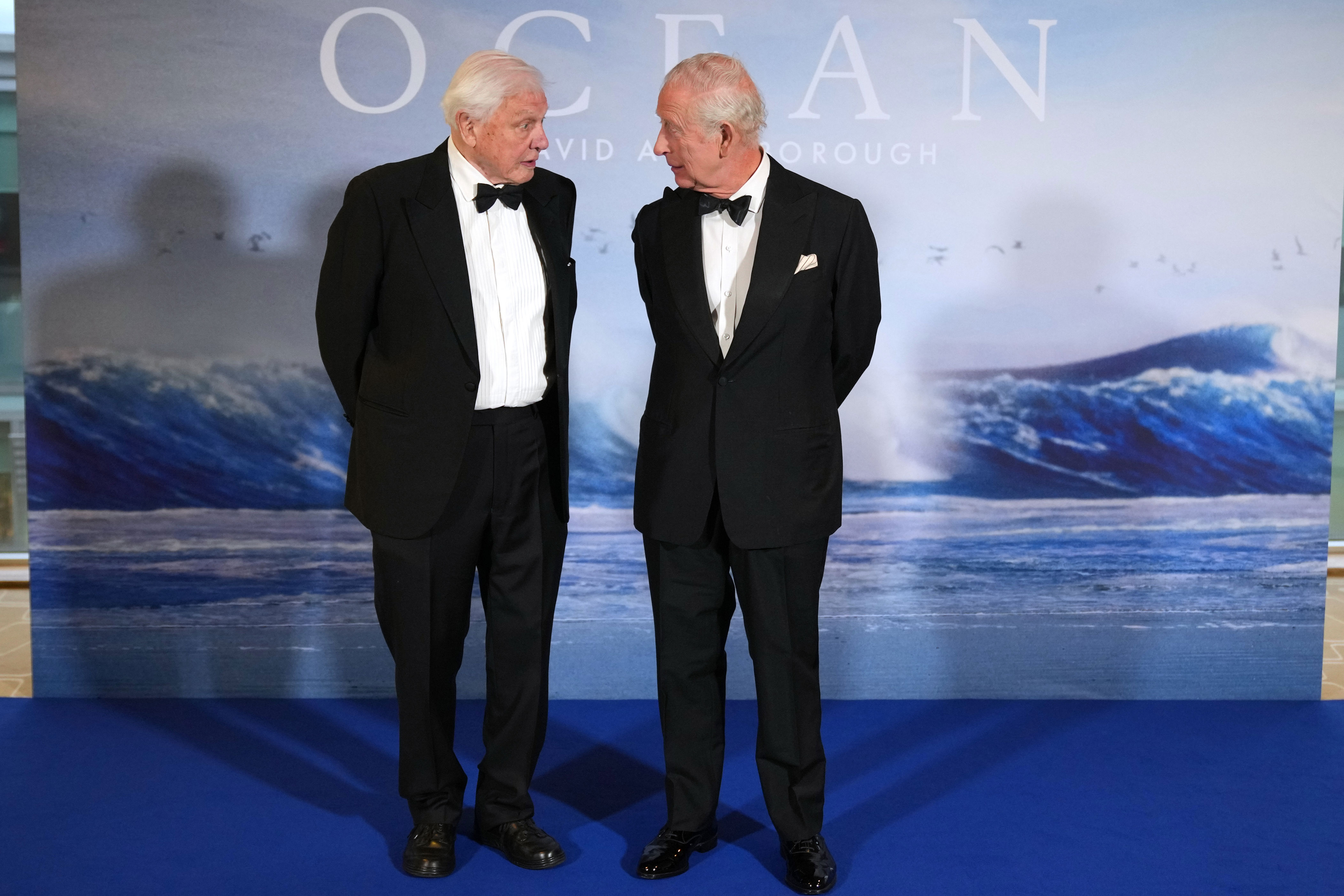
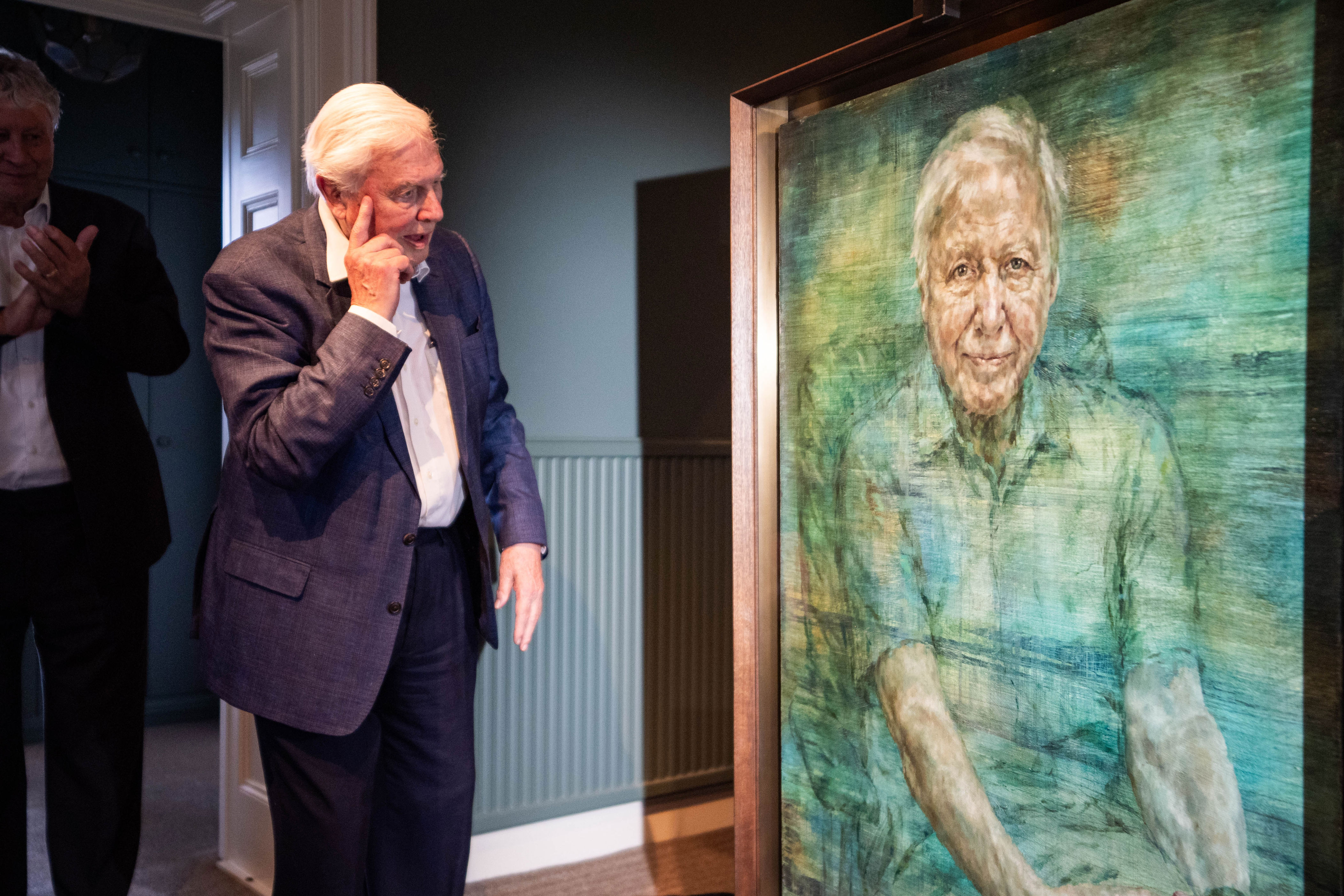
Sir David’s contributions have earned him numerous accolades, including the Order of Merit from the Queen in 2005 and knighthood in 1985. He remains a trustee of the British Museum and president of the Royal Society for Nature Conservation. Married to Jane Elizabeth Ebsworth Oriel, they had a son and a daughter before her passing in 1997.
Despite his age, Sir David continues to inspire and educate, proving that the pursuit of knowledge and the love of nature are timeless. His legacy is one of curiosity, compassion, and an enduring commitment to preserving the wonders of the natural world for future generations.