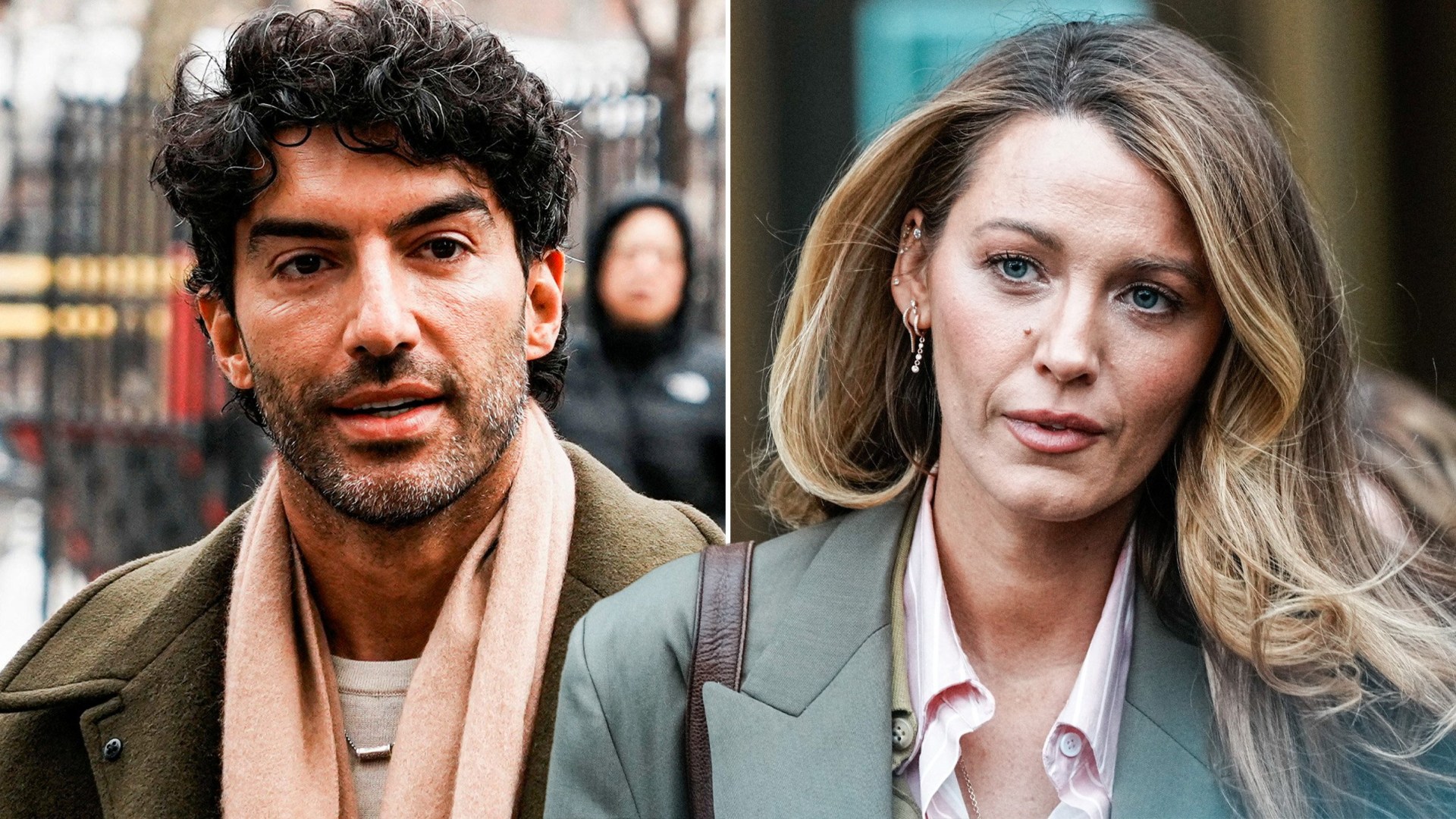
The Legal Dispute Between Blake Lively and Justin Baldoni Ends
The high-profile legal dispute between Blake Lively and Justin Baldoni has come to an abrupt and unexpected end after a year and a half, with both sides agreeing to settle just weeks before they were due to face each other in court. The pair, who starred together in It Ends with Us, had been locked in a bitter back-and-forth since late 2024, after Lively, 38, filed a lawsuit accusing Baldoni, 42, of misconduct on set and alleging a coordinated effort to damage her reputation.
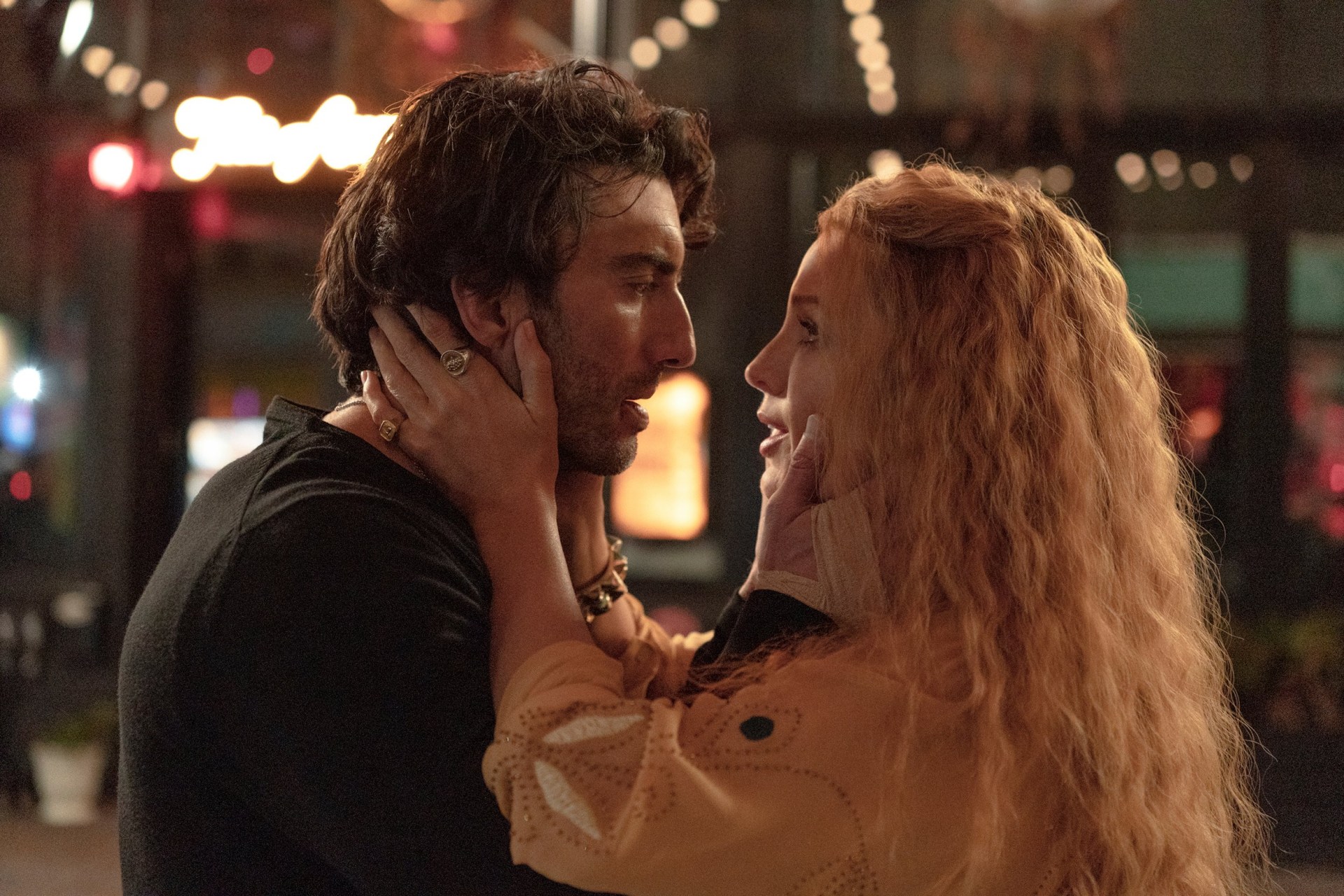
Baldoni denied the claims and launched a countersuit of his own, drawing in his production company Wayfarer Studios as the dispute escalated into one of Hollywood’s most closely watched legal sagas. The production of the pair’s 2024 adaptation of Colleen Hoover’s bestselling novel came under the spotlight when tensions first emerged between the two co-stars during the film’s publicity tour.
While both starred in the film, Baldoni also directed, while Lively was an executive producer. A trial had been scheduled to begin in New York later this month, with both actors expected to testify, but that will no longer go ahead following Monday’s agreement.
Settlement Terms Remain Confidential
The terms of the settlement have not been made public. In a joint statement, lawyers for both sides said they hoped the resolution would allow everyone involved to ‘move forward constructively and in peace’, while emphasising a shared commitment to respectful and safe working environments. They also pointed to the film at the centre of the dispute as something they remain proud of, adding that raising awareness around domestic violence — a key theme of the story — continues to be an important goal.
The legal fight had already been narrowed before the settlement. A judge had dismissed the majority of Lively’s claims, including those relating to sexual harassment, while allowing a smaller number, including breach of contract and retaliation, to proceed.
Financial Claims and Counter-Suits
She had originally alleged that Baldoni is liable for at least $161 million (£117 million) in damages and lost income arising from what she claimed was a smear campaign levelled against her during the movie’s release. Baldoni denied all claims and then sued The New York Times for libel over their siding with Lively’s account of events, and sued Lively, her husband Ryan Reynolds, and their publicist Leslie Sloane for civil extortion, defamation, and invasion of privacy.
The ruling that dismissed many of Lively’s claims hinged in part on her status as an independent contractor, meaning certain workplace protections under US law did not apply in the same way as they would for employees.

Ongoing Allegations and Industry Implications
However, the judge indicated that allegations around a retaliatory campaign could still be examined in court, noting the potential reputational impact in an industry where public image is closely tied to career prospects. The dispute first became public in December 2024, though rumours of tension had already begun circulating during the film’s promotional run, when the co-stars notably appeared separately.
Despite all the drama, It Ends With Us proved a major commercial success, taking more than $350 million at the global box office despite mixed reviews. The film’s financial performance highlights the complex interplay between personal conflicts and professional achievements in the entertainment industry.
What This Means for the Future
With the legal battle now settled, both Lively and Baldoni are likely to focus on their respective careers moving forward. The resolution of their dispute may also serve as a cautionary tale about the potential consequences of public feuds in the entertainment industry. As the case drew significant attention from fans and media alike, its conclusion marks a turning point for both parties.
For now, the details of the settlement remain private, leaving much to the imagination. However, the fact that both sides chose to resolve their differences outside of court suggests a desire to avoid further public scrutiny and focus on rebuilding their professional reputations.