A Unique Opportunity That Was Turned Down
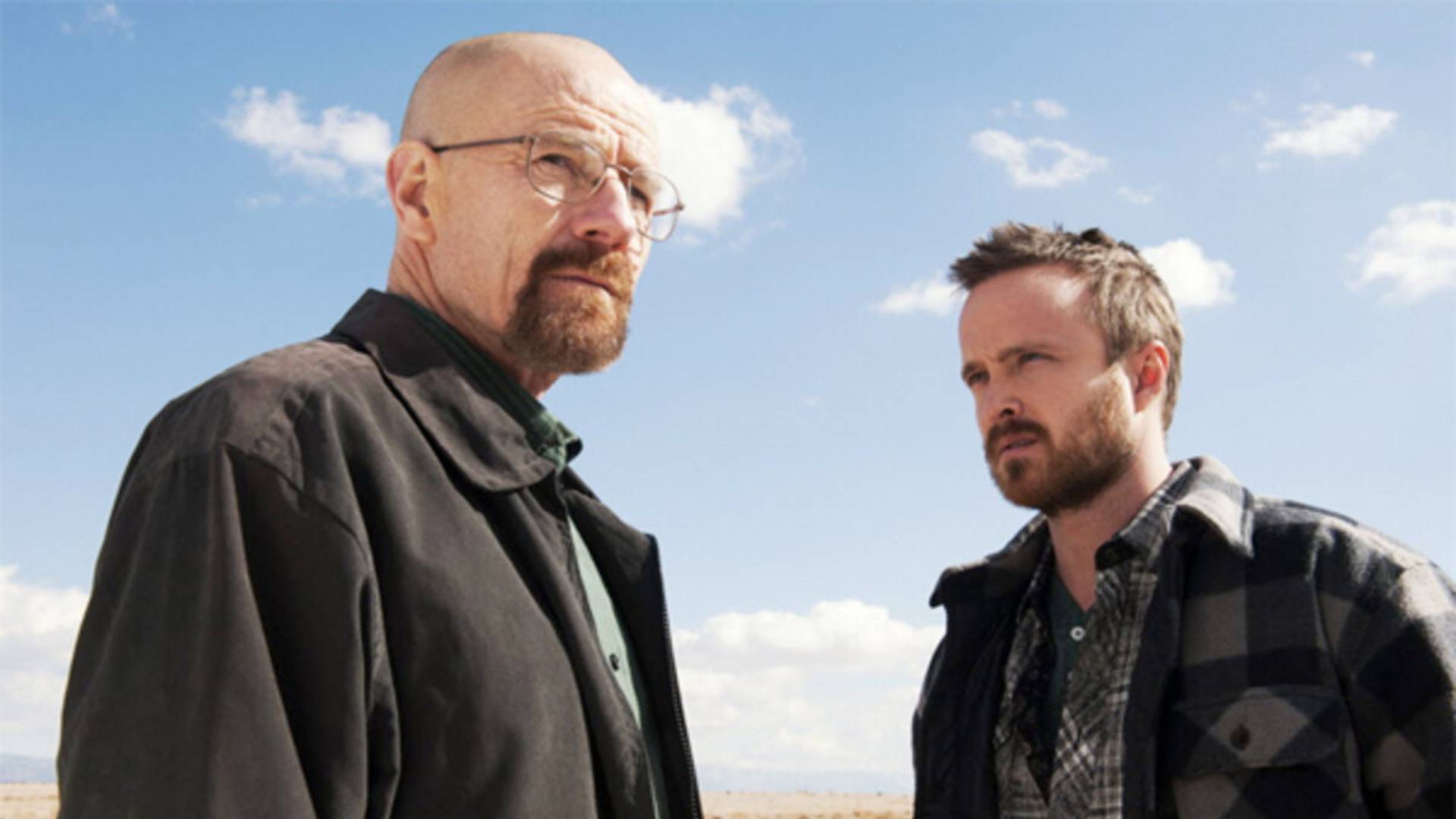
In the history of television, there have been countless instances where creators took bold and creative risks. However, one story stands out for its sheer audacity: a $75 million offer to make three more episodes of Breaking Bad, which was ultimately declined by the show’s creator, Vince Gilligan.
Jeffrey Katzenberg, the billionaire CEO of DreamWorks Animation, made this unusual proposal at a conference in Cannes. Known as a self-proclaimed fan of the show, he believed that the opportunity could lead to a groundbreaking digital event. His plan involved releasing the new episodes online through a pay-per-view model, bypassing traditional TV channels entirely.
The Vision Behind the Offer
Katzenberg’s idea was nothing short of ambitious. He envisioned a format where 180 minutes of content would be divided into six-minute segments, released daily for 30 days. Viewers would pay between 50 and 99 cents per segment. “I said to them, ‘I’m going to create the greatest pay-per-view television event for scripted programming anybody’s ever done,’” he stated.
The financial aspect of the deal was staggering. At the time, a single episode of Breaking Bad cost around $3.5 million to produce. Katzenberg’s proposal would have increased the budget to approximately $25 million per episode, a nearly 700% markup. According to him, this approach could have generated more profit from just three episodes than the entire series had made over five years.
The Unexpected Rejection
Despite the massive sum on the table, the Breaking Bad team turned down the offer. Katzenberg initially struggled to understand their decision. During a meeting, the conversation ended with laughter, and he admitted, “Sorry, I missed the joke here. I don’t know why you’re all laughing.”
The creators, led by Gilligan, provided an enigmatic response. They told Katzenberg, “Sorry, we can’t tell you, but it will reveal itself to you why this isn’t going to work out for us.” It wasn’t until the final episode aired that the reasoning became clear.
The Final Episode and the End of the Story
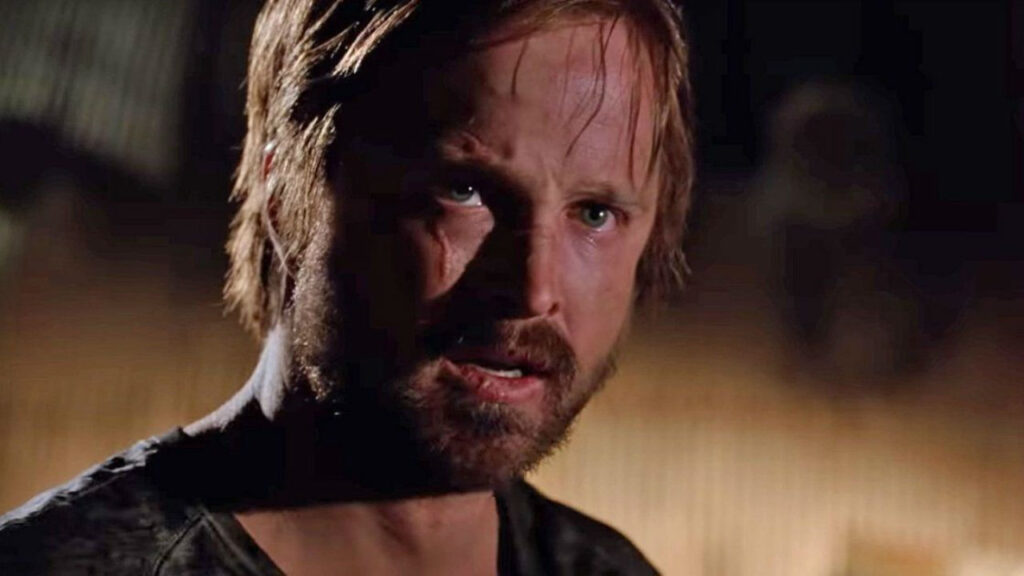
When the finale aired, Walter White lay dead on the floor of a meth lab, while Jesse Pinkman drove toward an uncertain future. The story had reached its natural conclusion, leaving no room for further episodes. Fans may have wanted more of Bryan Cranston’s iconic character, but Gilligan remained steadfast in his belief that the story should not be extended for financial gain.
Katzenberg later admitted that he hadn’t known the ending when he made the offer. Once he saw it, he understood why the team had refused. “We had a very definitive beginning, middle, and end,” the creative team always maintained. They believed that a story should not be dragged out simply for profit.
A Lesson for Hollywood
Although the deal fell through, Katzenberg used the experience as a cautionary tale about the direction of digital content. “I share the story with you only to tell you that I have the courage of my convictions in this,” he said, advocating for high-quality, short-form mobile entertainment.
For fans of Breaking Bad, the story remains a legend of what didn’t happen: the day the entertainment industry threw its wallet at art, and art said “no.” It serves as a reminder that sometimes, the most valuable decisions are those that prioritize creativity over financial gain.