The Misunderstood Vegetable: Rhubarb
Rhubarb is often mistaken for a fruit due to its use in sweet dishes. However, it is actually a vegetable and belongs to the same family as buckwheat and sorrel.
Its role in cooking developed relatively late. In China, the plant had been cultivated for thousands of years, primarily for medicinal purposes. The roots were believed to have healing properties. In Europe, rhubarb gained popularity in the nineteenth century. English growers later developed the thick stalks that are still used today. Before this, it was considered a simple food, often served with heavy meals.
Chemical Properties of Rhubarb
There is an important distinction between the parts of the plant. The stalks are safe to eat, but the leaves are toxic because they contain high levels of oxalic acid. This makes them dangerous for both humans and animals. The same substance also explains the sour taste of rhubarb. In the past, people tried to reduce this acidity by adding chalk during cooking. Today, boiling the stalks for a short time is a more common method.
Even though the leaves are poisonous, they can still be useful. Gardeners use them as natural fertiliser or mulch.
Agricultural Diversity
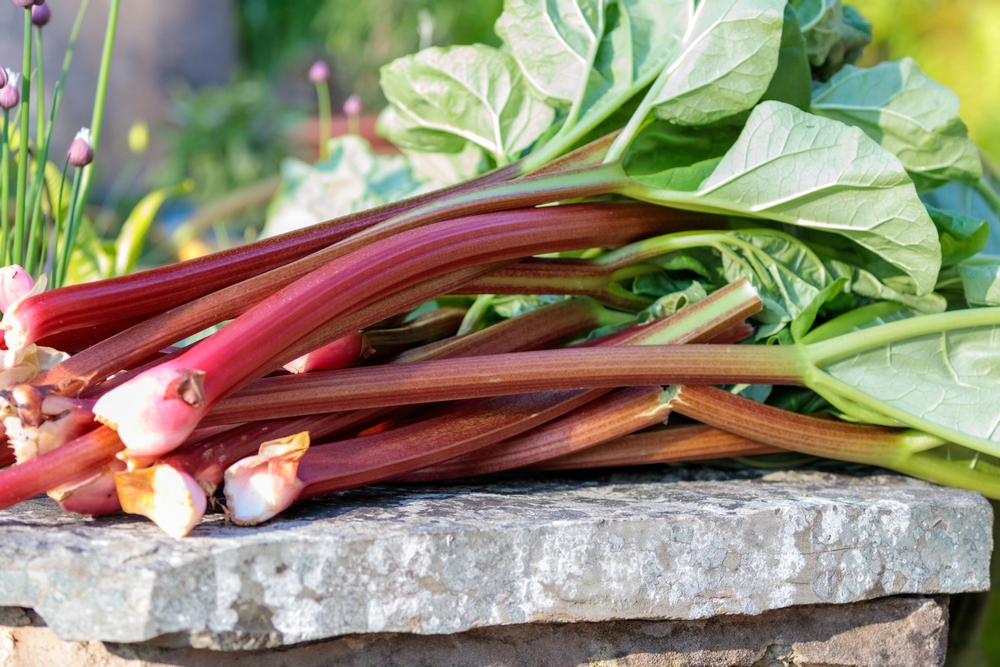
Rhubarb comes in many different varieties. In the past, there were hundreds of types, though fewer remain today. Growers still maintain a wide selection with different colours and flavours. The colour of the stalk can indicate taste. Redder stalks are usually sweeter, while lighter ones are milder and may need less sugar.
A Plant with a Rich History
Rhubarb is not just a simple ingredient, but a plant with a rich history, distinct chemistry, and wide variation. Its journey from medicinal use to a staple in kitchens around the world highlights its versatility and enduring appeal.
Key Points About Rhubarb
- Classification: Despite its sweet use, rhubarb is a vegetable.
- Historical Use: In China, it was used for medicinal purposes for thousands of years.
- European Popularity: It became more popular in Europe in the 19th century.
- Chemical Differences: The stalks are safe, but the leaves contain oxalic acid and are toxic.
- Taste and Preparation: The sour taste can be reduced through boiling, and the colour of the stalk can indicate sweetness.
- Variety: There are many varieties, with red stalks typically being sweeter.
- Environmental Use: Even though the leaves are poisonous, they can be used as compost or mulch.