This is the most affordable plug-in hybrid available in Australia – as this review is published – but it’s got a lot more going for it than just that.
The 2026 BYD Sealion 5 is a mid-size SUV wearing a BYD badge that has been thrust into the public’s awareness by the popular BYD Shark 6 – as well as by widespread criticism of brand’s less popular aftersales shortcomings through much of 2025.
It’s also a plug-in hybrid that is showing up as the nation faces a fuel crisis, despite many remaining sceptical of going ‘full EV’.
New BYD can charge up in just nine minutes: 2026 BYD Song Ultra EV debuts ‘flash charging’ credentials in pitch against Kia EV5, XPeng G6, and Tesla Model Y
BYD facing big backlash: 2026 Yangang U8 at the centre of a storm in China as customers complain about allegedly malfunctioning self driving technology similar to the Full Self Driving found in Tesla Model Y and Model 3 electric cars
Car buyers ditch brand loyalty in Australia: New survey results show buyers less concerned by the brand as BYD, Chery and GWM make up ground on Toyota, Mazda and Ford
The Sealion 5 has a long list of features, of course, plus a claimed four-figure driving range. Is this BYD too good to be true?
We grabbed the entry-level Essential to find out.
Price and Features – Does it represent good value for the price? What features does it come with? 9 / 10
The BYD Sealion 5 Essential kicks off from $33,990 before on-road costs, four big ones less than the Premium ($37,990). We’re focusing on the Essential today, but don’t think that means a shallow list of features.
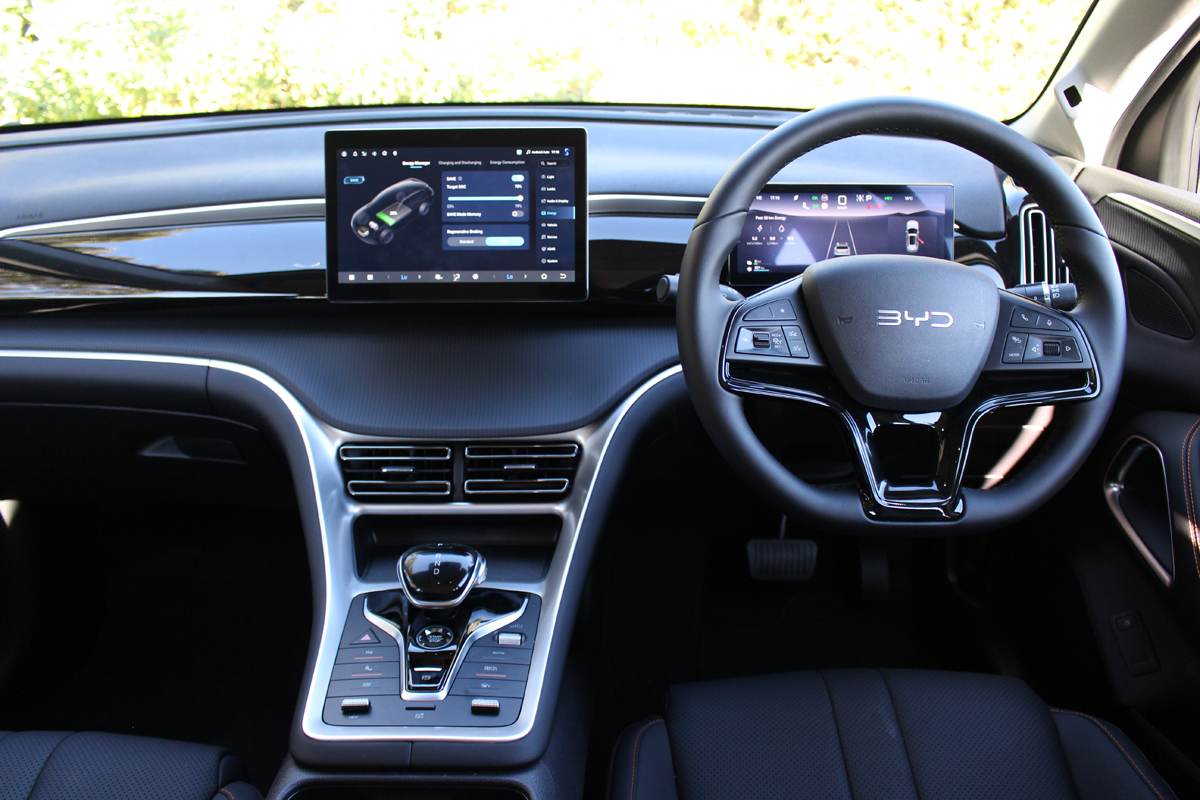
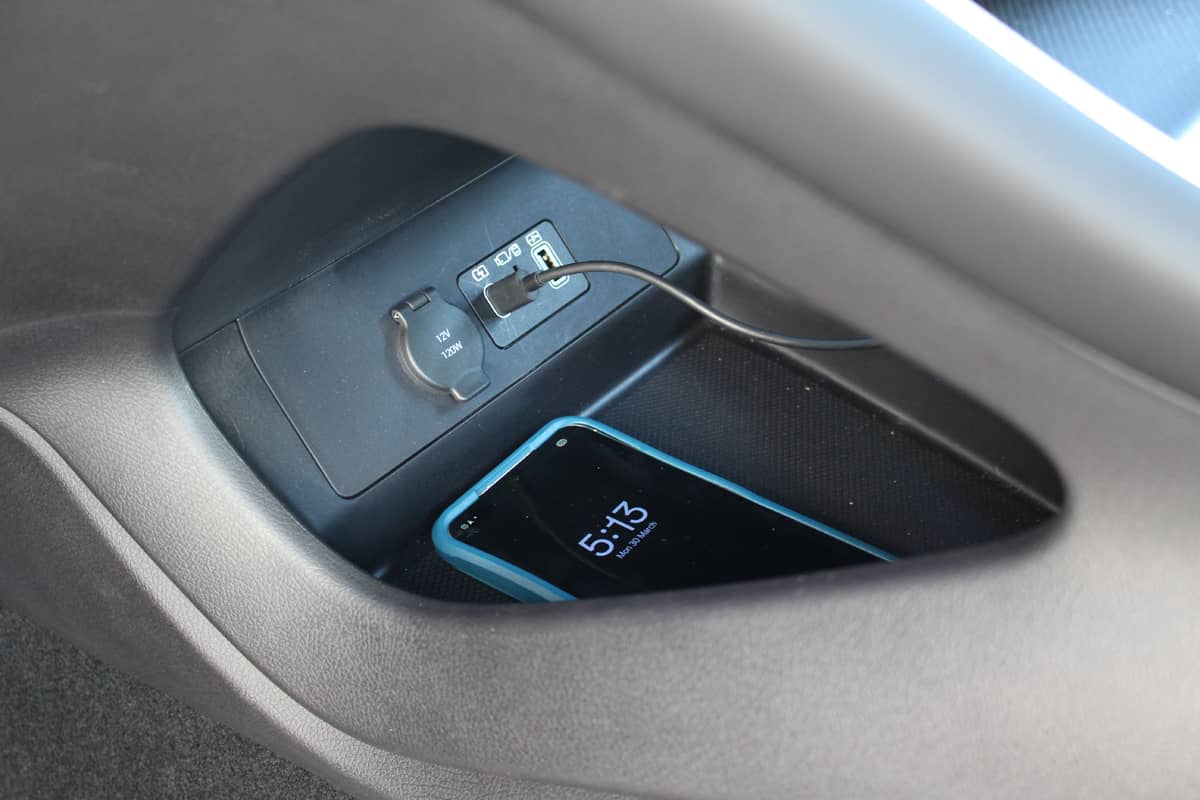
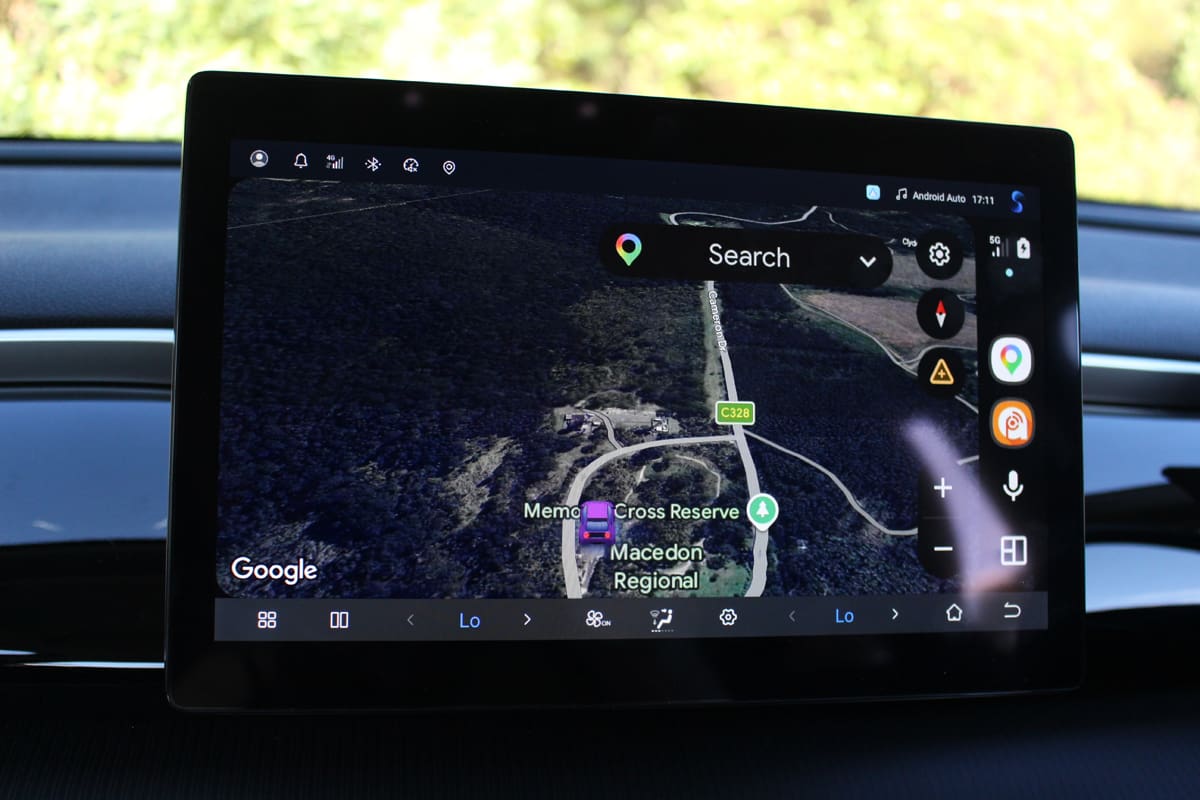
As you’d expect from BYD if you’ve been paying attention to the Chinese brand in its emergent years, the Sealion 5 comes with more than $34K would normally get you – a 10.1-inch central multimedia touchscreen, an 8.8-inch driver display, synthetic leather upholstery, dual-zone climate, a six-speaker sound system, wireless Android Auto and Apple CarPlay, USB-A and -C ports front and rear, digital radio and keyless entry.
On the outside, LED headlights and tail-lights are the same for both variants.
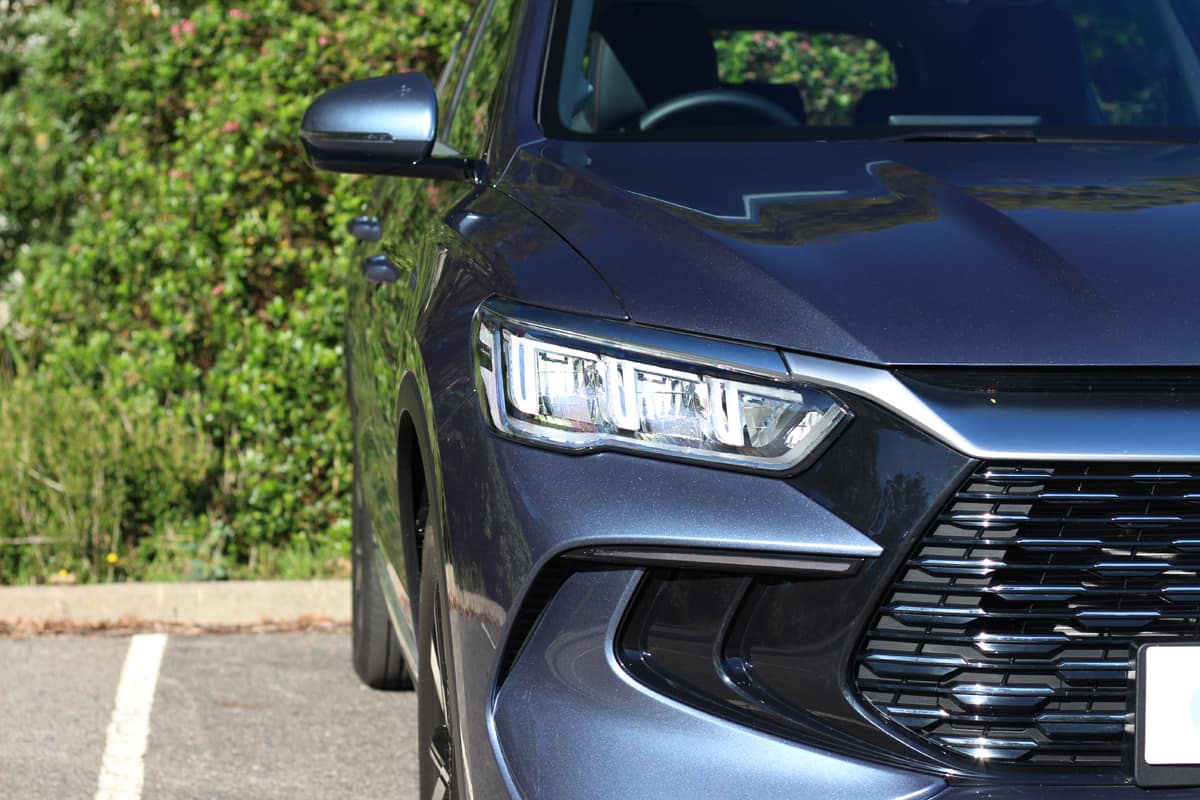
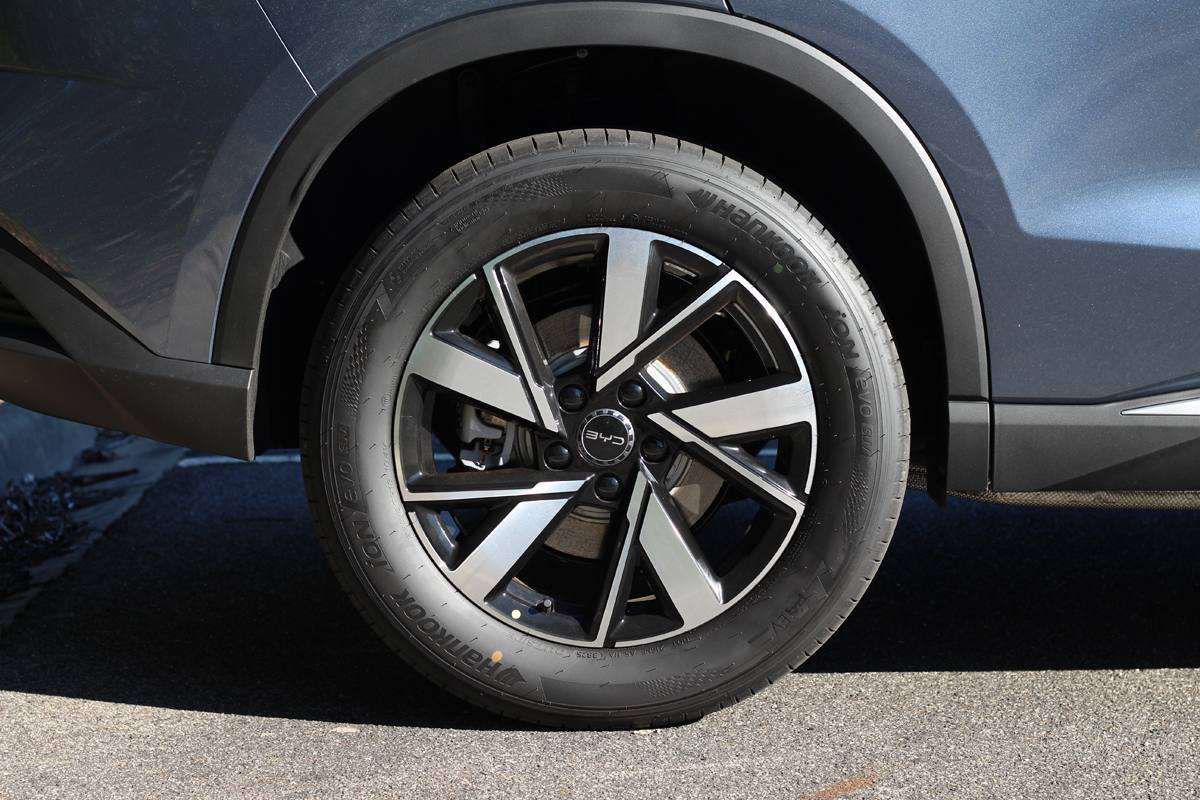
Both also have 18-inch wheels, not unwelcome for the benefits of on-road comfort.
Consider that the most popular SUV in the country, the Toyota RAV4, costs at least $45,990 without the benefit of a plug-in drivetrain (yet) and comes with, on paper, a more sparse list of features.
The closest PHEV competitors are still more pricey, including the Geely Starray ($37,490) and Chery Tiggo 7 ($39,990), and arguably lack the brand power BYD has come to enjoy.
Design – Is there anything interesting about its design? 7 / 10
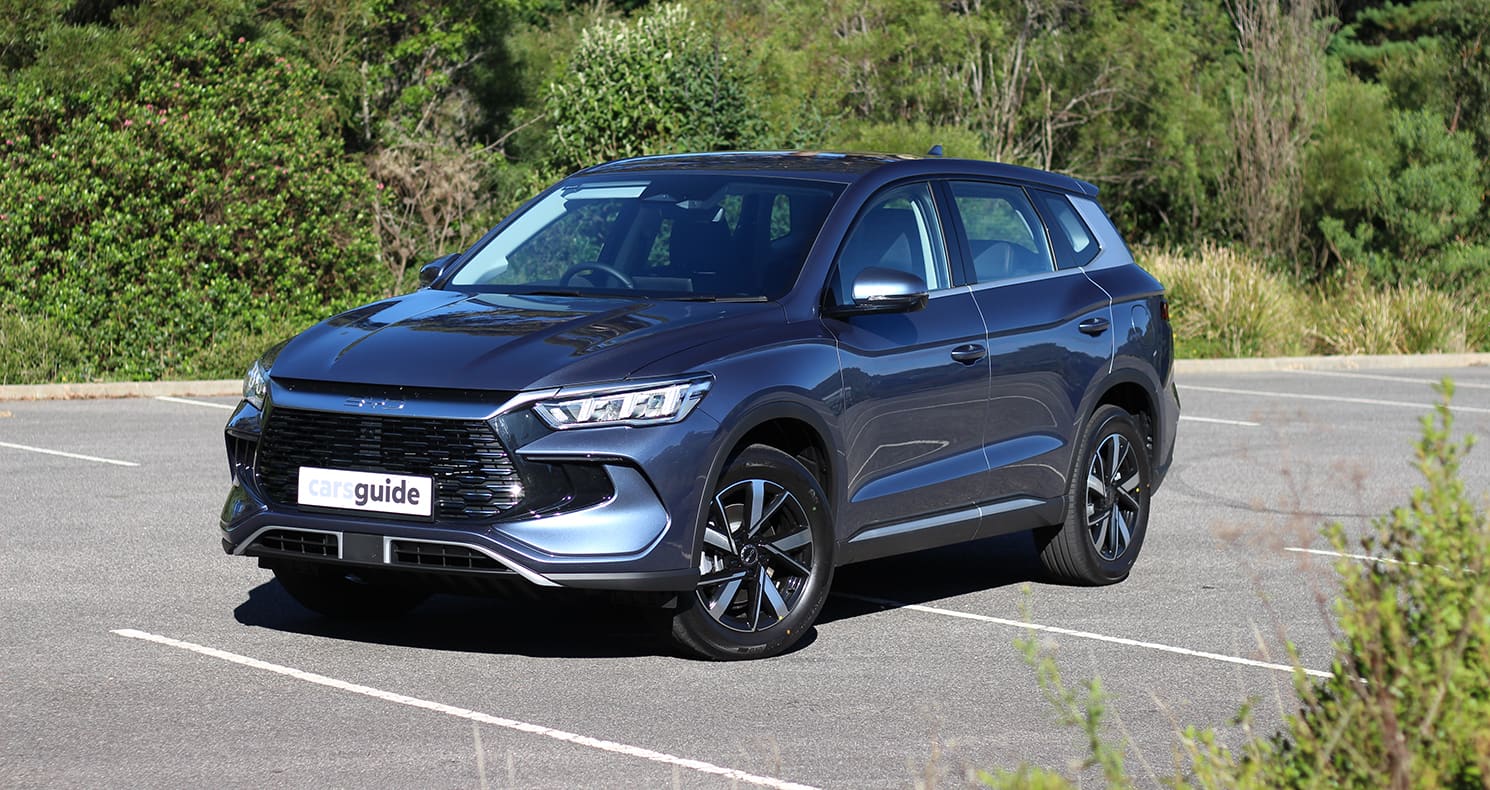
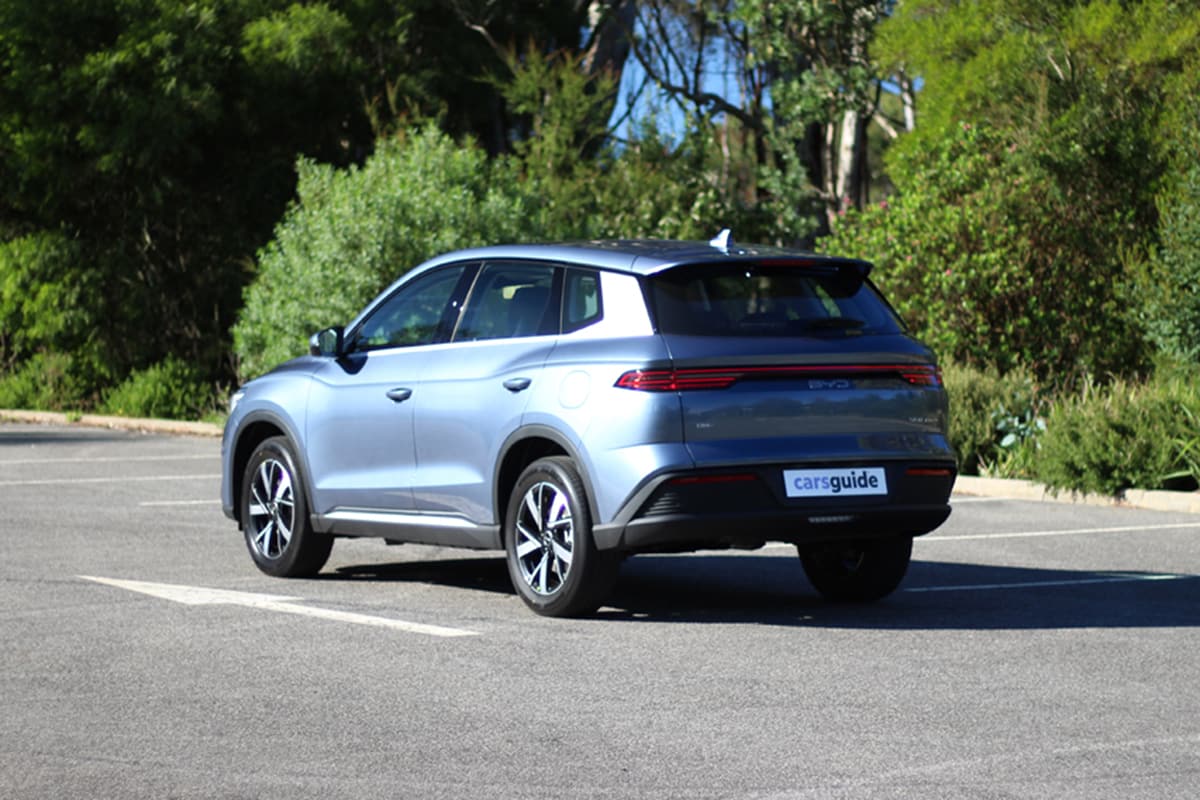
The BYD Sealion 5, from the outside, is inoffensive but also uninspiring. That’s likely not such a bad thing for a mid-size SUV – it’s rare you’re hearing someone talk about how beautiful the Mazda CX-5 or Toyota RAV4 is.
Its quartet of colour palette options comes in on the safe side, too. Aurora White is standard, Atlantis Grey, Harbour Grey and Cosmos Black are cost-options.
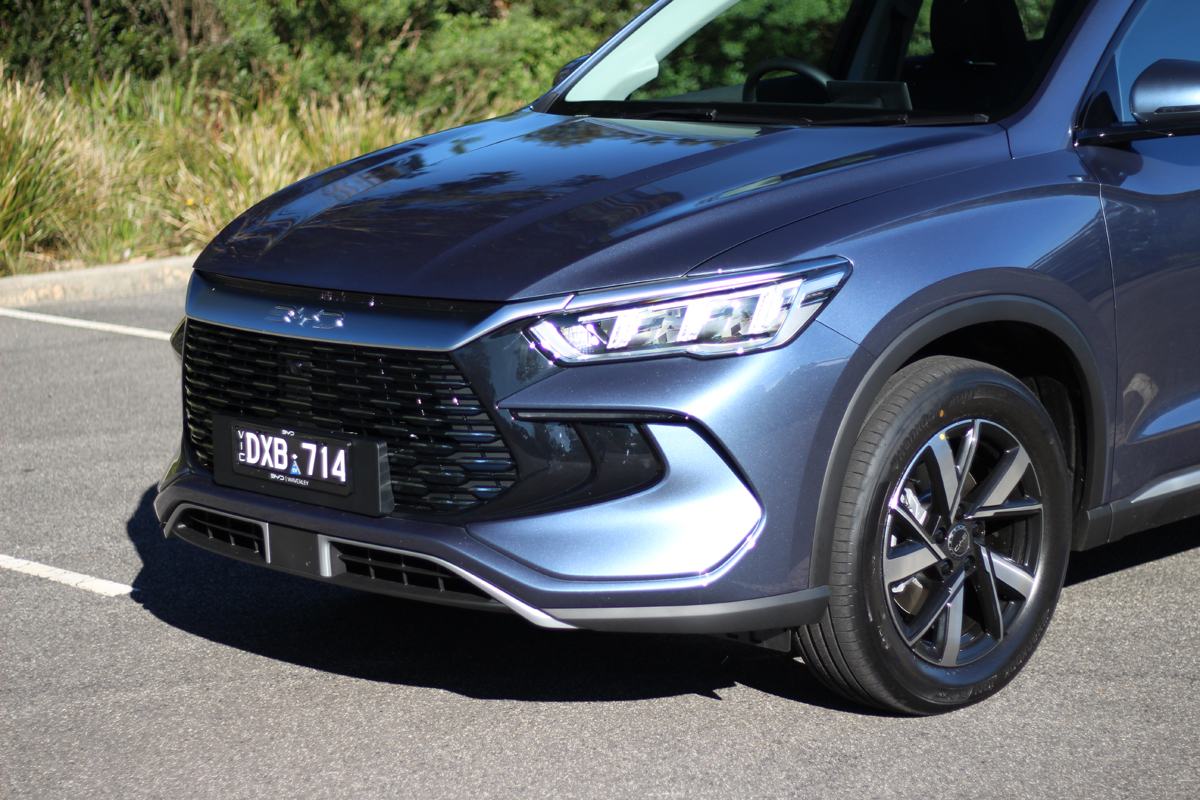
Our test car is Atlantis Grey, which is interestingly quite blue.
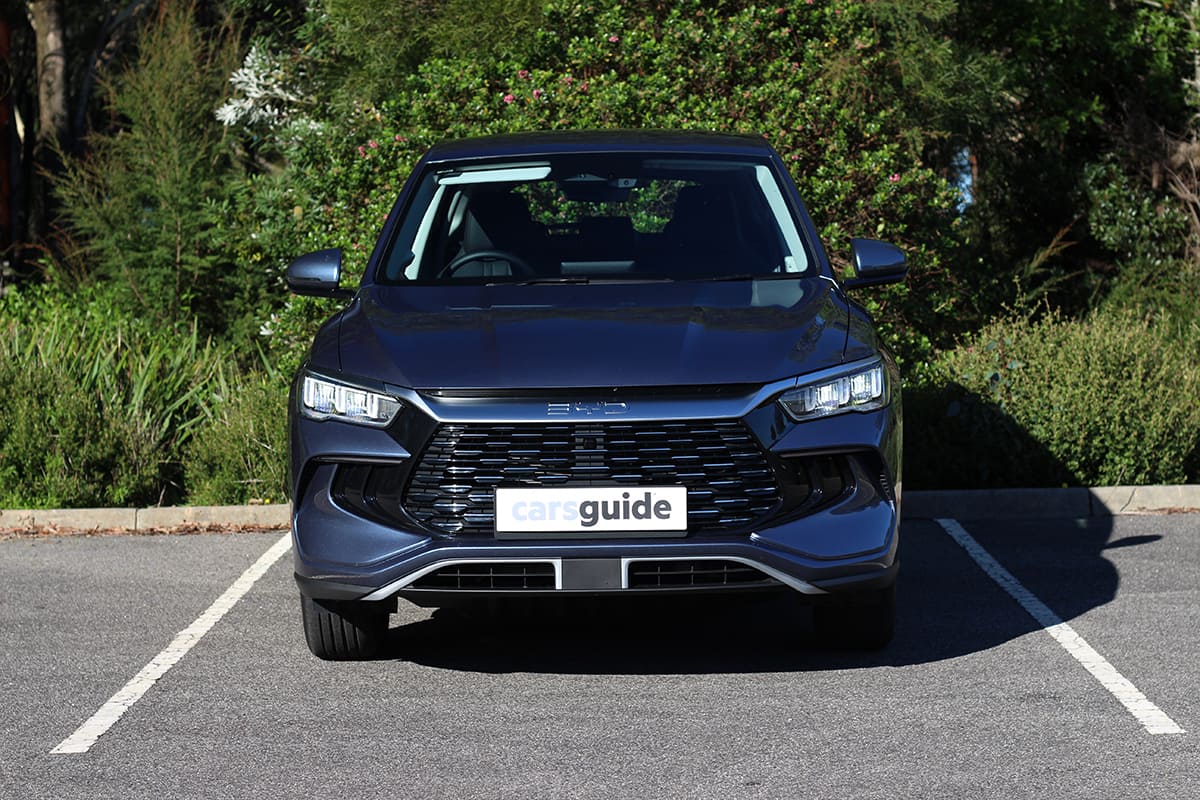
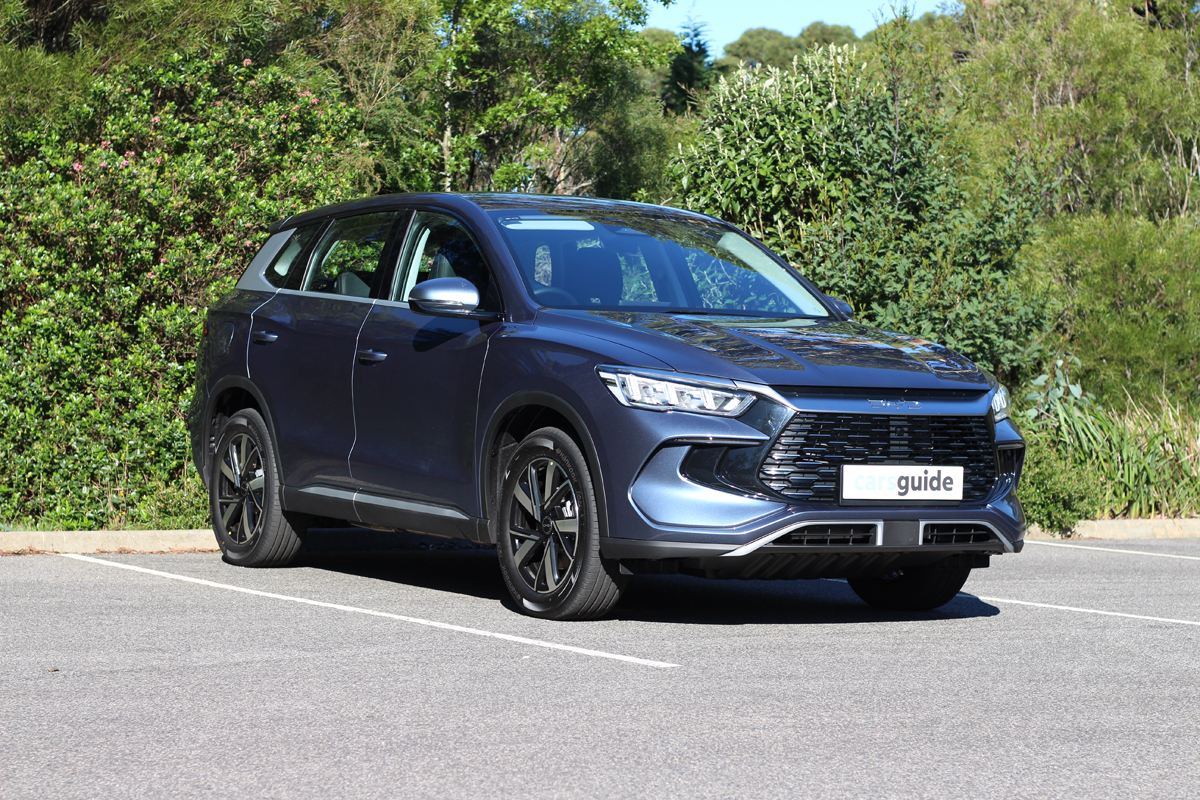
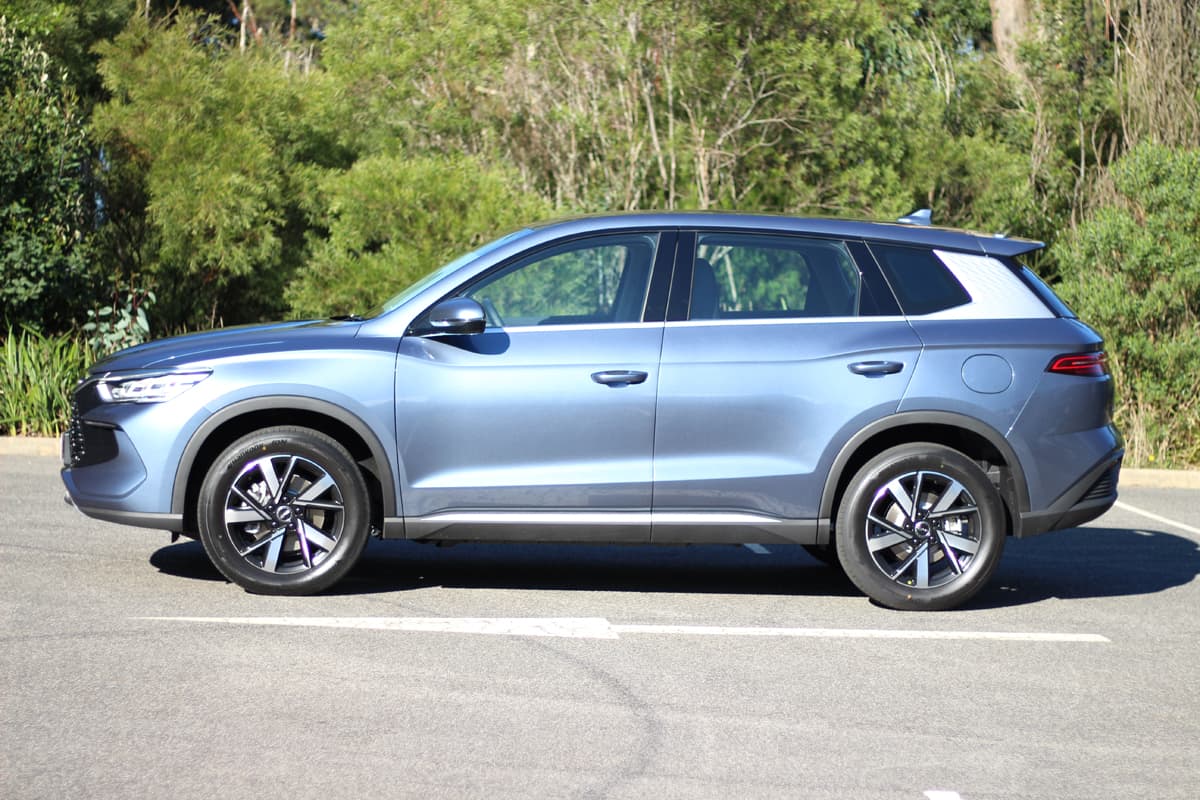
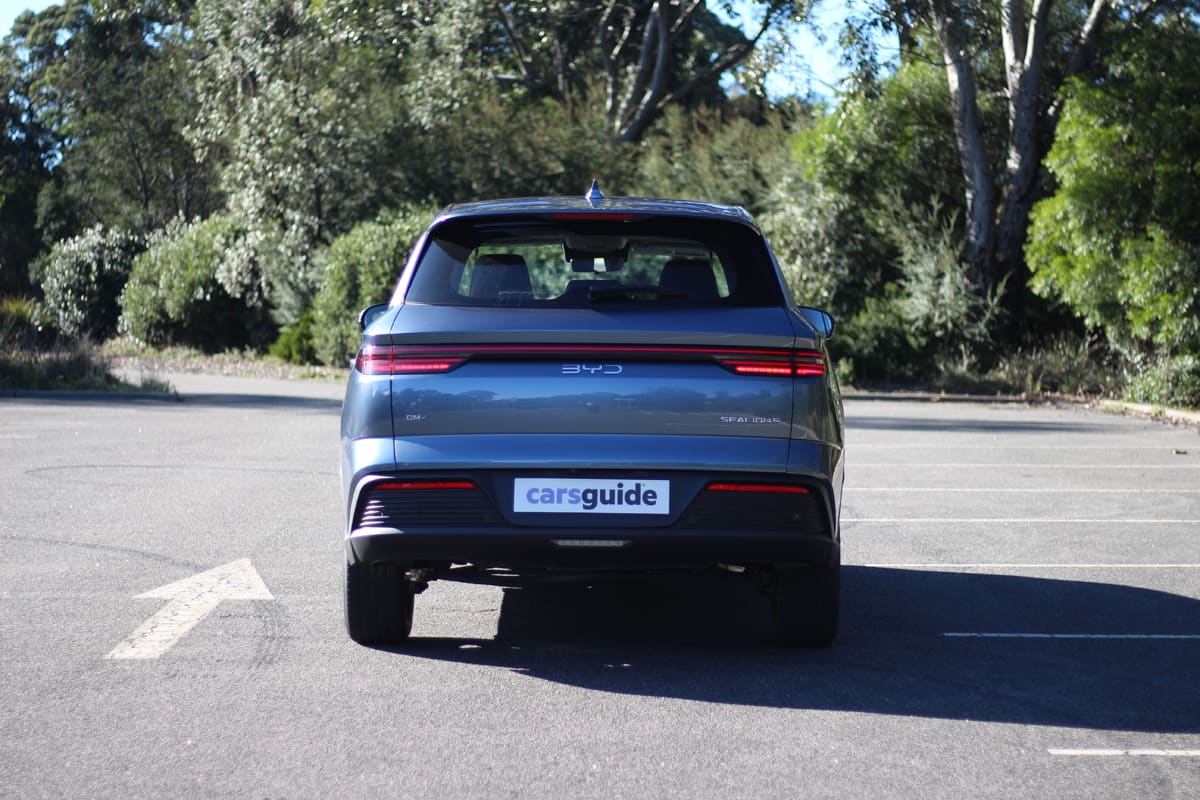
The relatively upright shape is a slight departure from the more ‘aquatic’ silhouettes of BYD’s line-up, but the front grille and light layout are decidedly in step with the brand’s oceanic design language. There’s a bit going on, you could say.
The slimline tail-lights are the rear, especially from a three-quarter angle to the side, look attractive and help break up the rear without looking messy.
The Sealion 5’s design is overall net-good, but it’s inside where the mid-sizer feels like you’re getting plenty for your dollar.
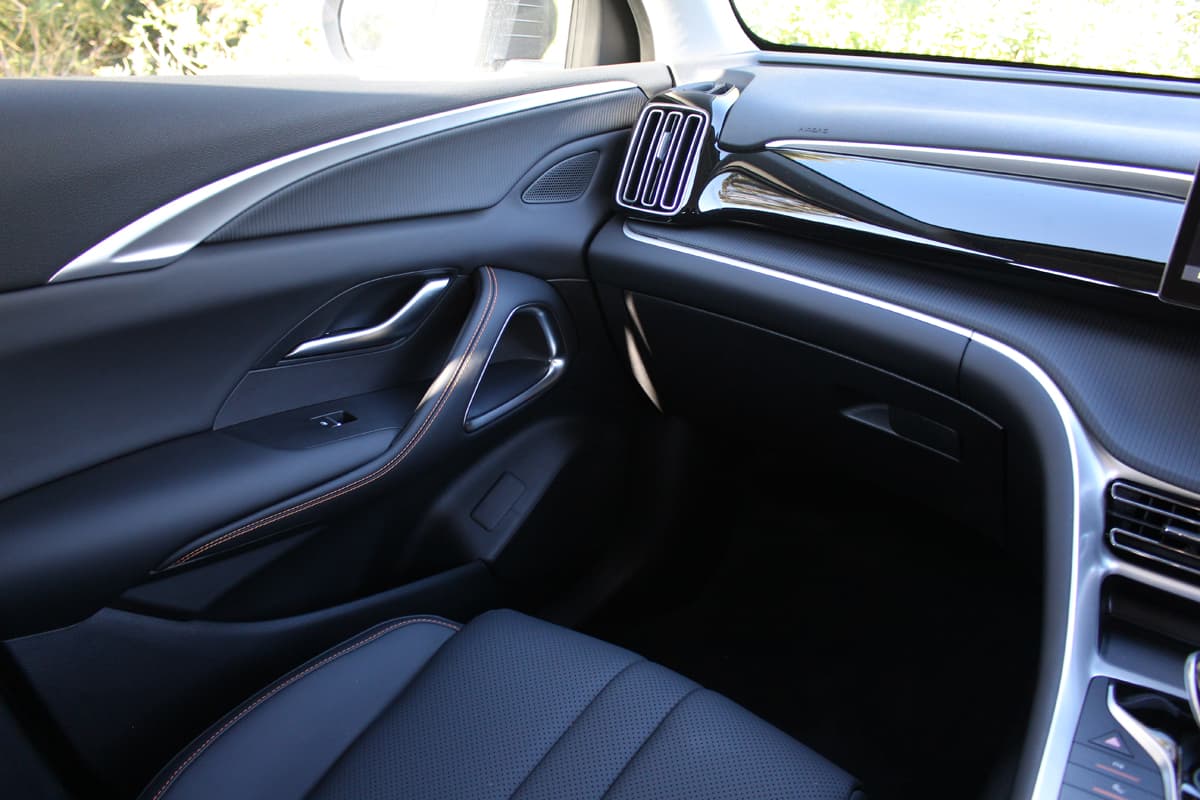
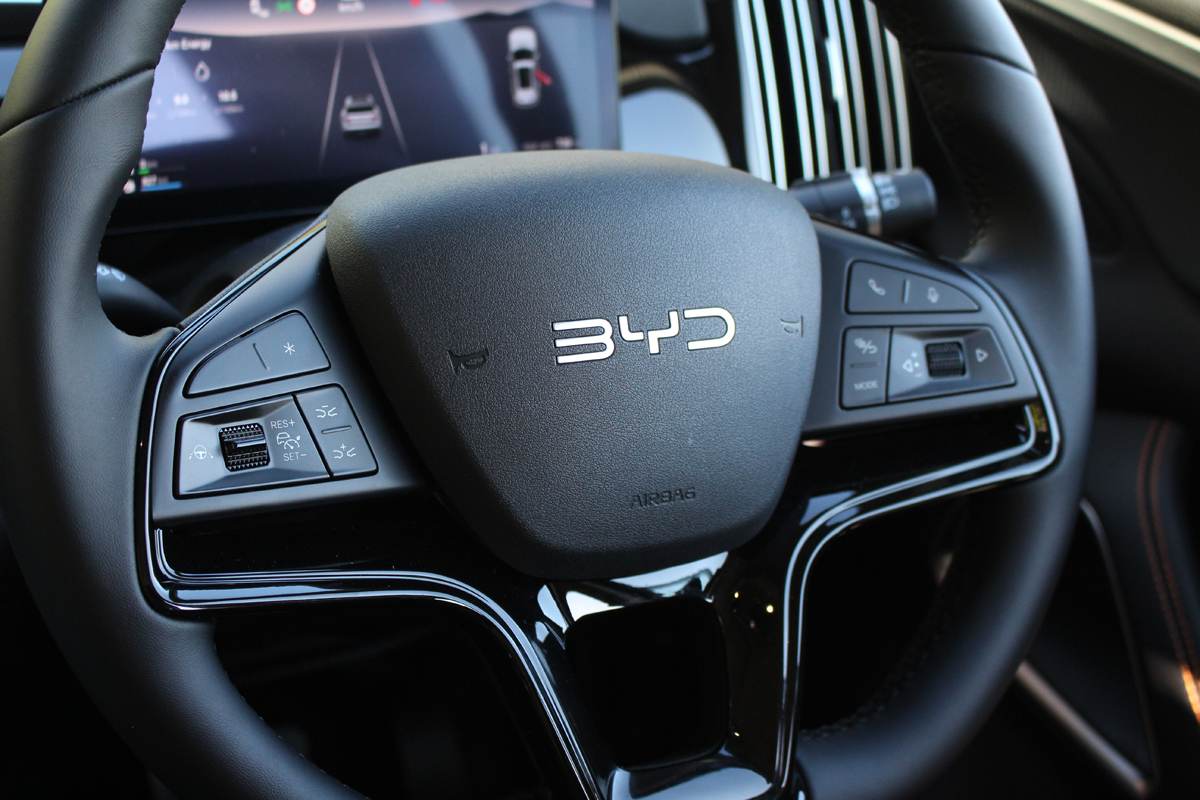
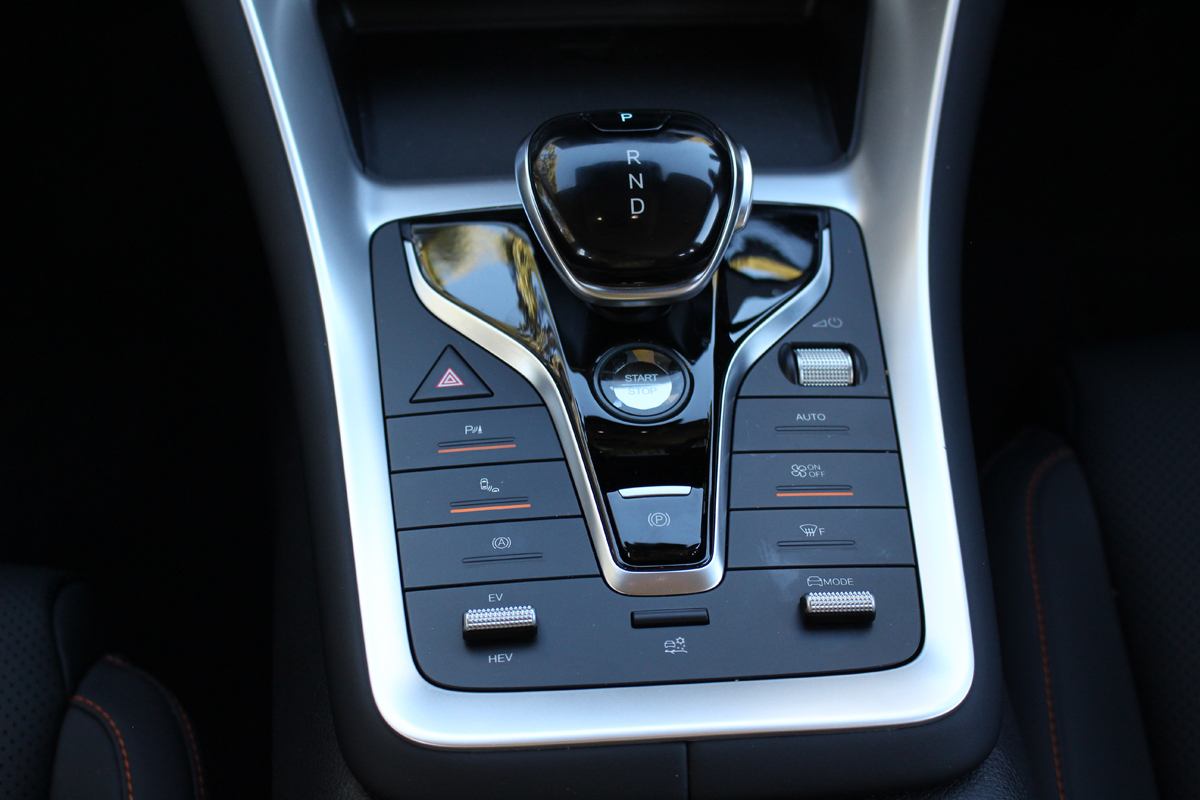
The seats, despite the leather fakery, feel like decent material, and the layout uses buttons and physical controls cleverly without feeling outdated.
Practicality – How practical is its space and tech inside? 7 / 10
To actually interact with the interior is, at times, another story. BYD’s tech interface is generally easy to manage, but could be simpler when it comes to navigating menus for the sake of driver distraction.
While larger text and buttons would be welcome, the multimedia system is easy to use when parked, and the functionality is impressive for the price point.
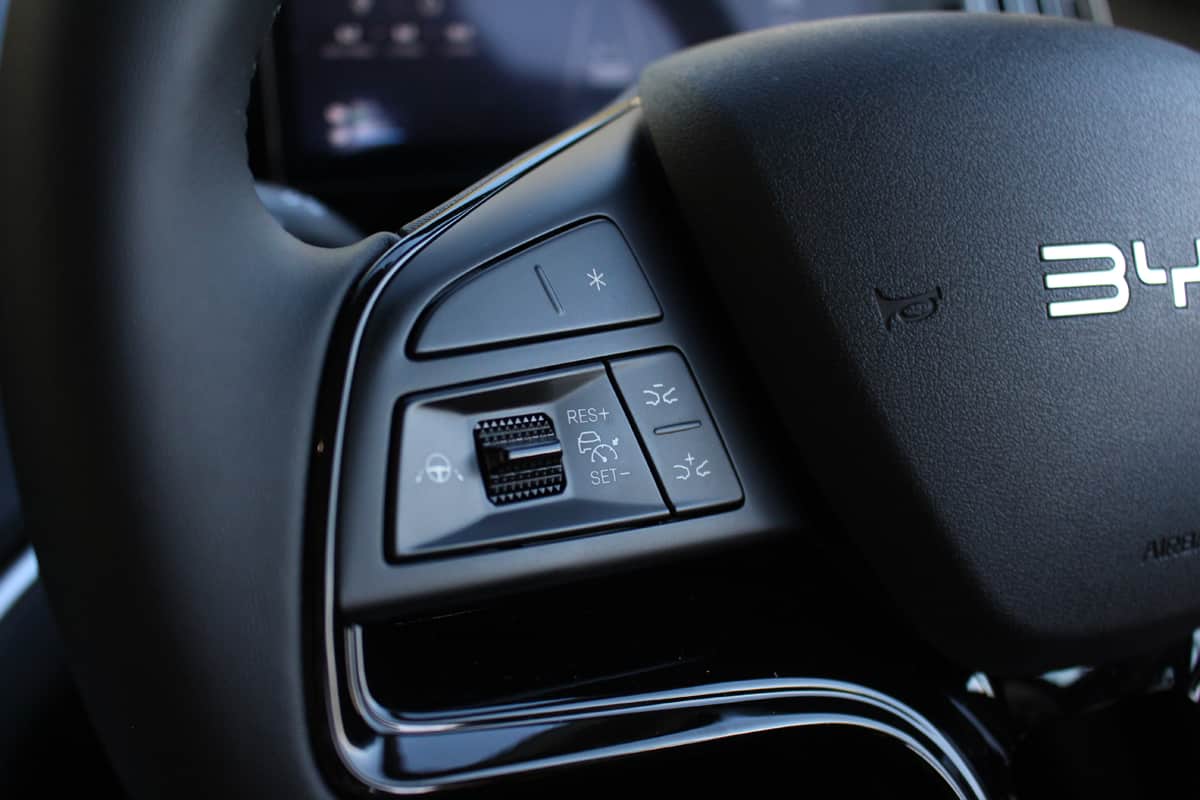
Winning more points for the Sealion 5, though, are the physical controls – buttons and the traditional gear selector – which make the cockpit much more intuitive while on the move.
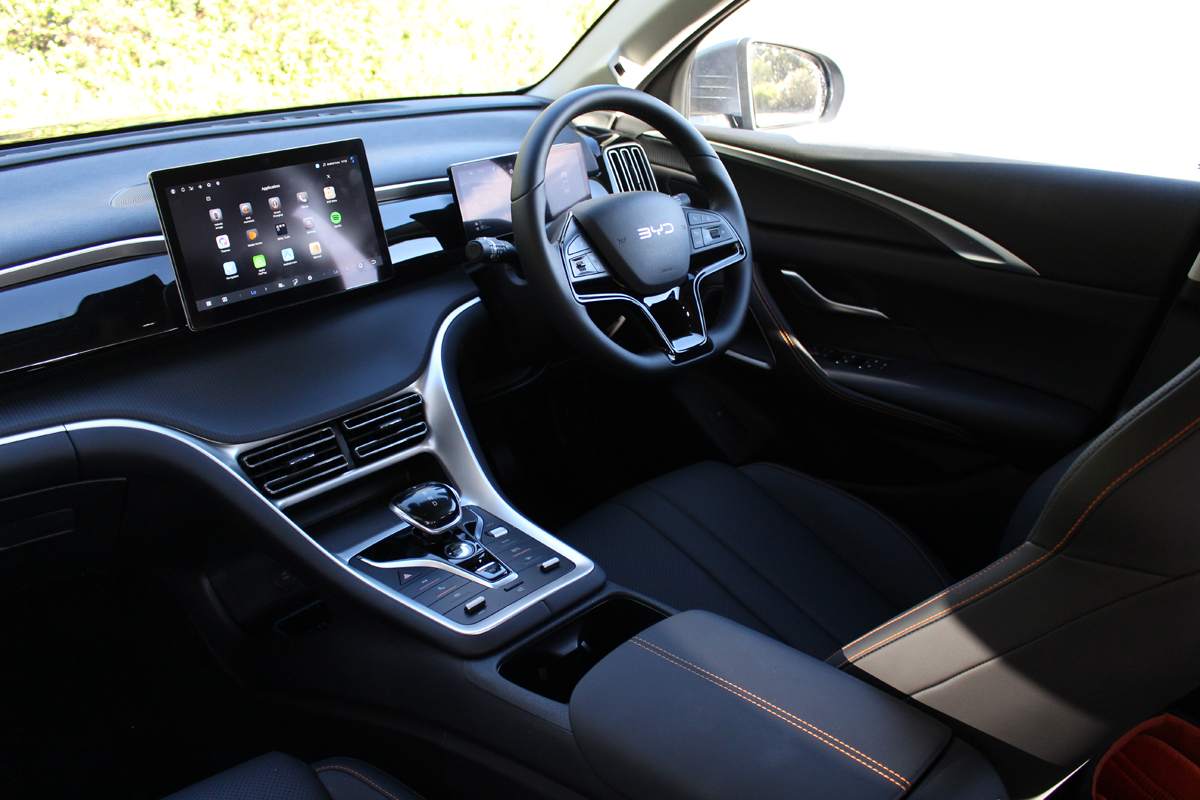
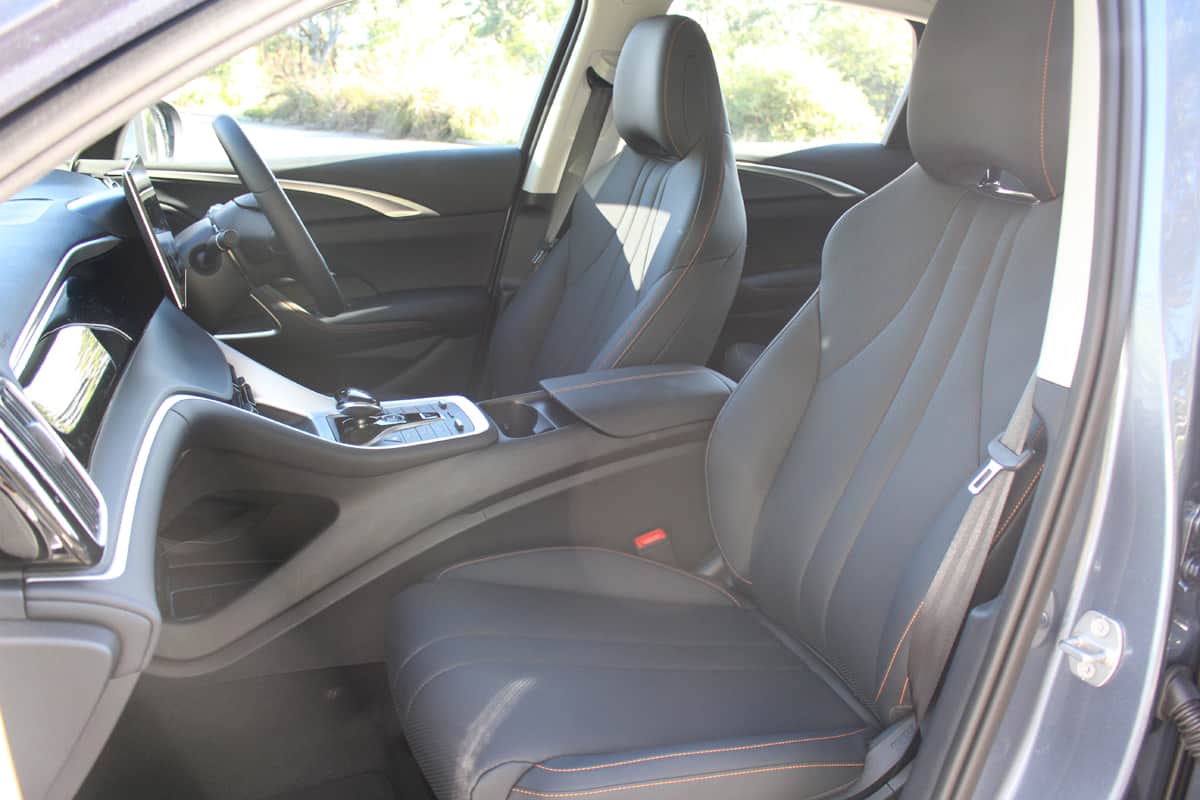
Ergonomically, though, the adjustment between the steering wheel and driver’s seat could do with some work, as I found it difficult to find a truly comfortable driving position. This is coming from someone 178cm tall, a very normal height in Australia.
Better adjustability on the steering column would be helpful, as it’s something I’m not sure I’d ever get totally used to.
Visibility and physical space inside the Sealion 5 is impressive, though. The car is 4738mm long, 1869mm wide and 1710mm tall, and the roof and window lines don’t swoop too aggressively towards the rear.
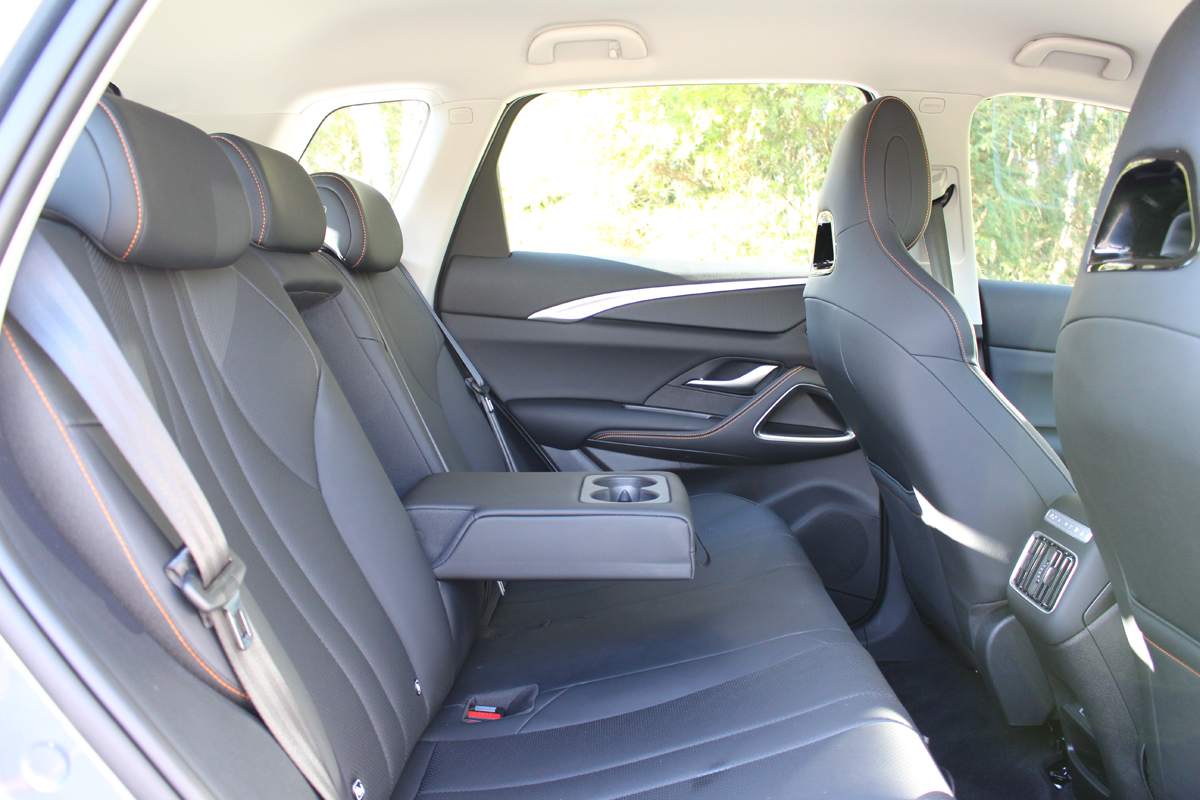
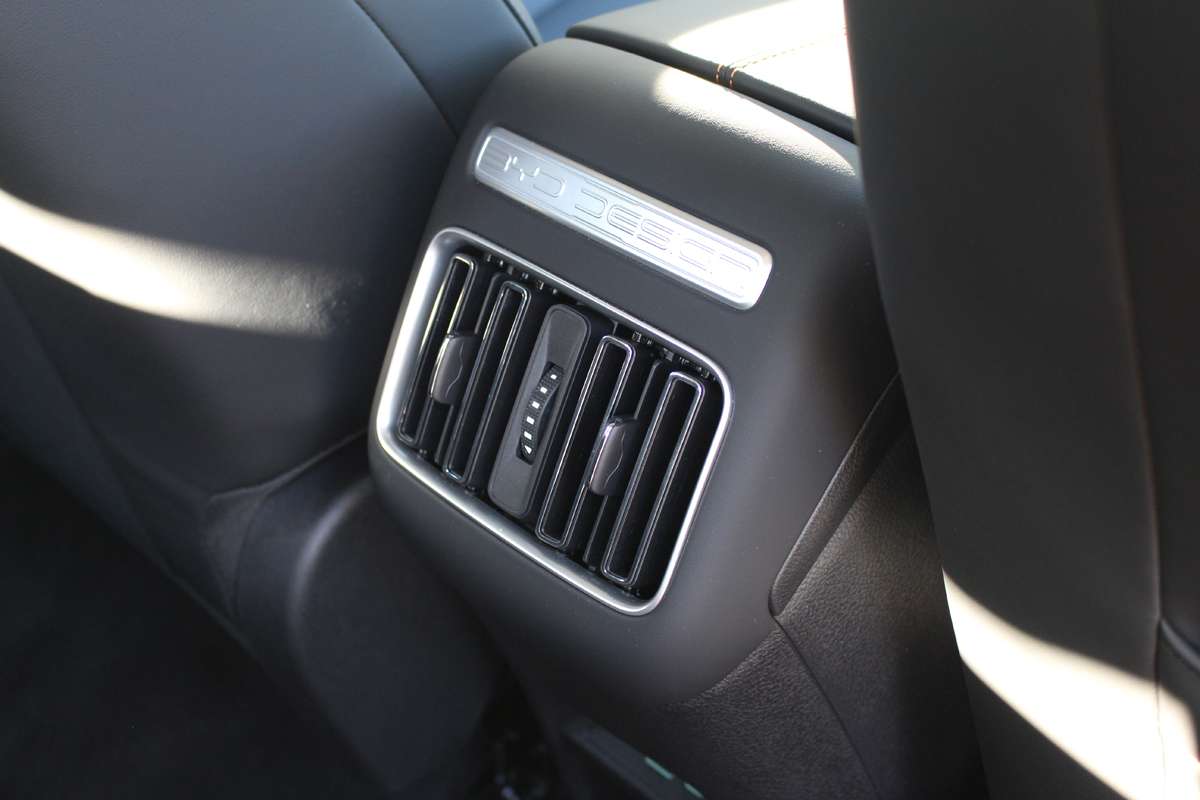
There are low window shoulders even into the rear, so light isn’t at a premium, though under-leg support could be better on the pew.
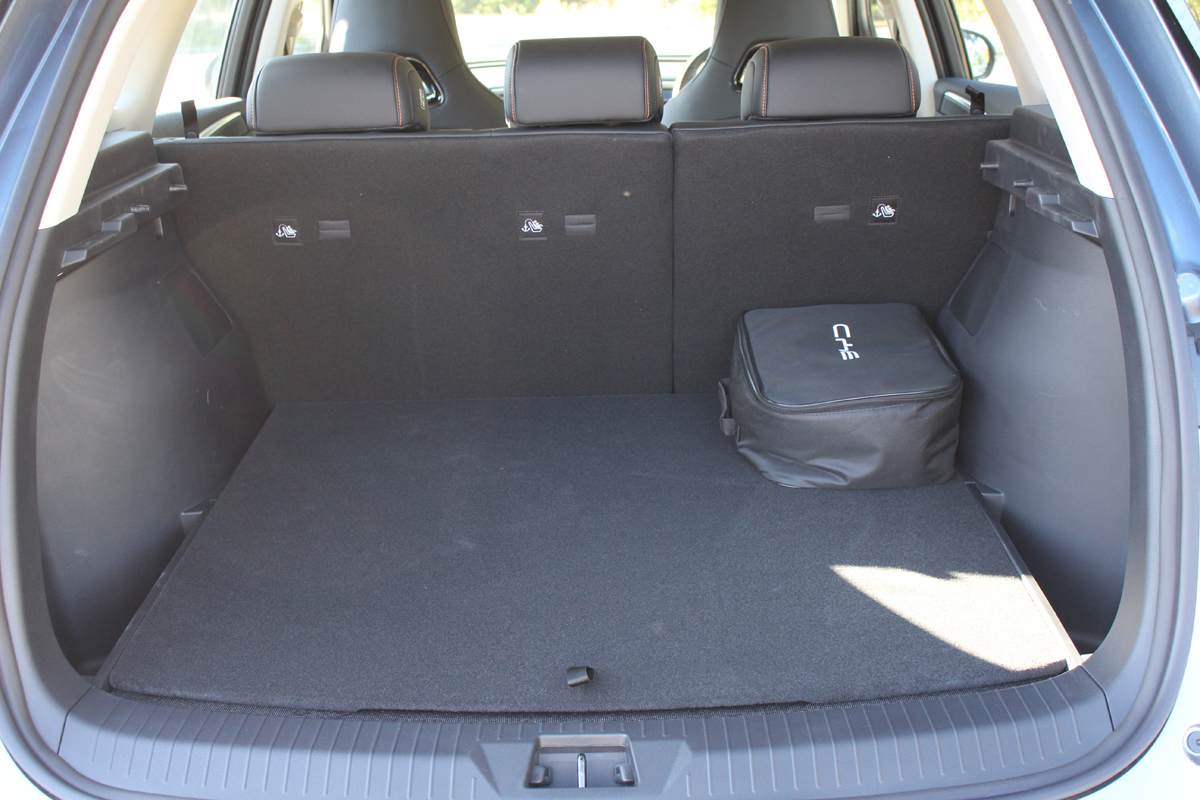
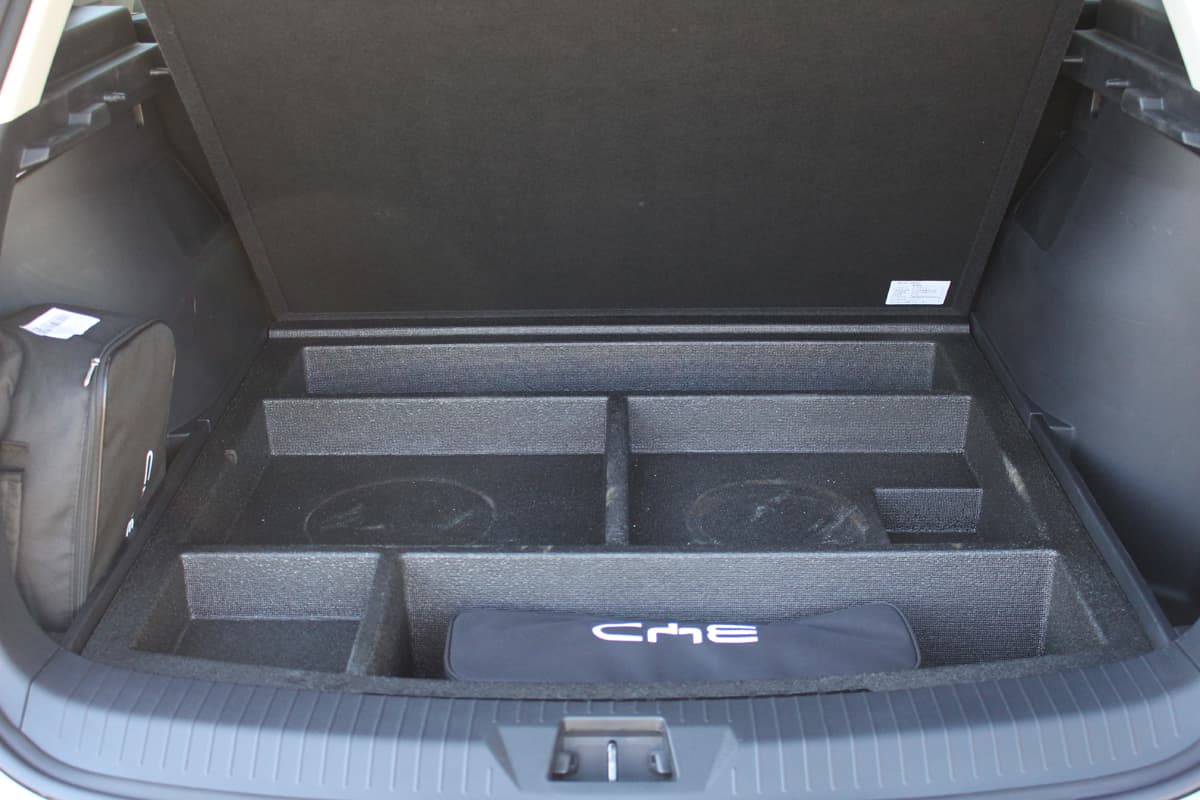
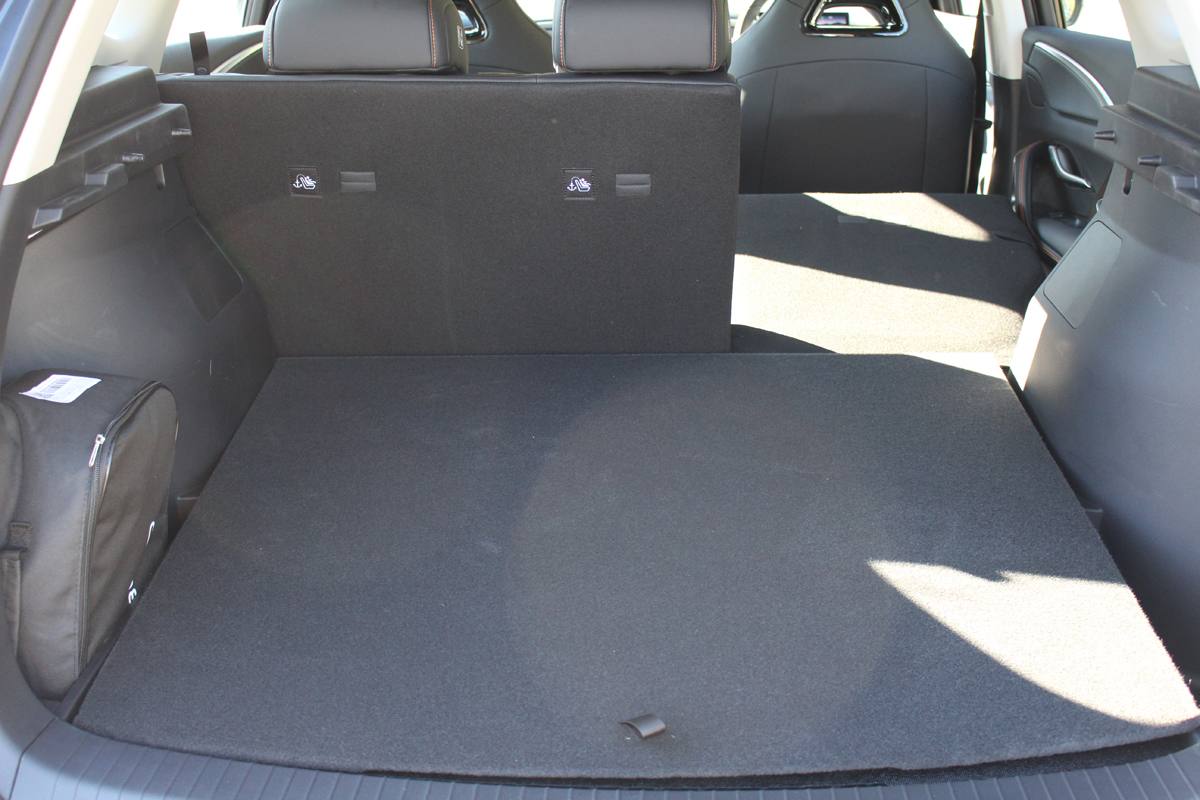
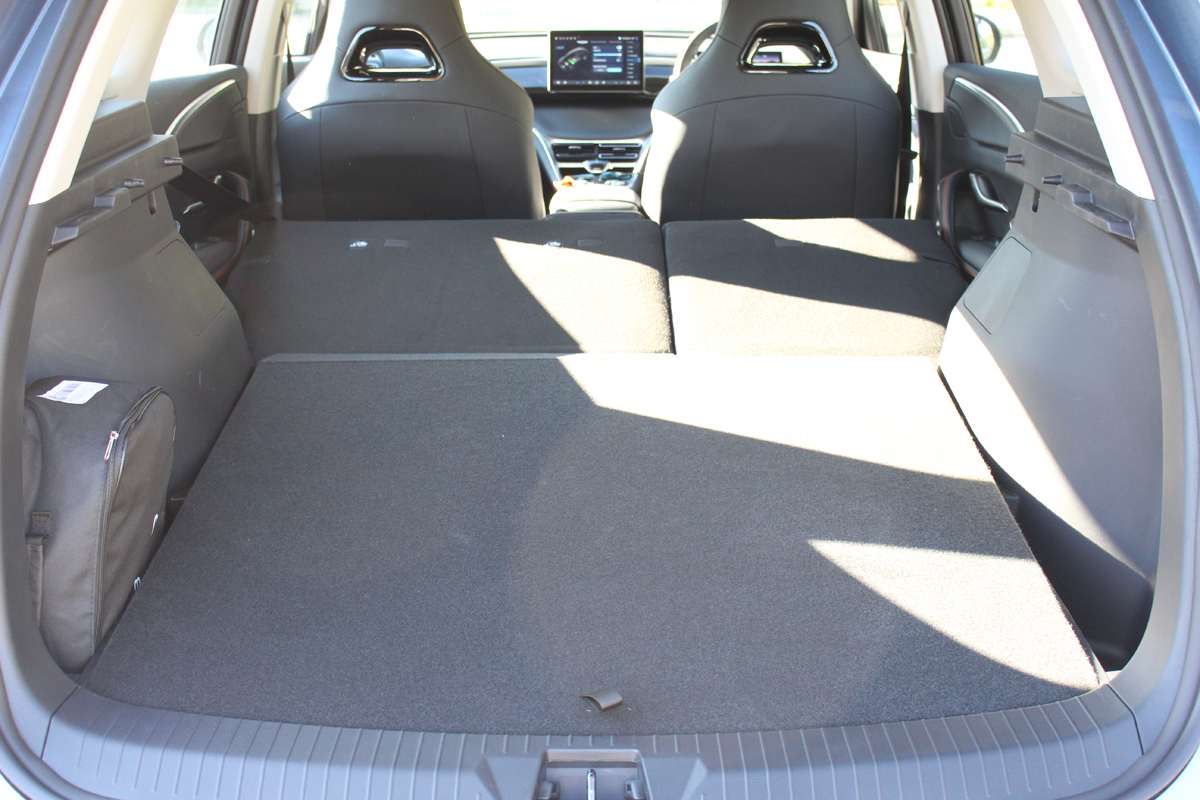
It’s otherwise un-cramped. The 2712mm wheelbase means decent legroom for second-row folk, plus behind the 60/40 split-fold seats there’s 463 litres of space for luggage. That becomes 1410L with the seats folded.
There’s unfortunately no spare tyre, just a tyre repair kit.
Under the Bonnet – What are the key stats for its engine and transmission? 7 / 10
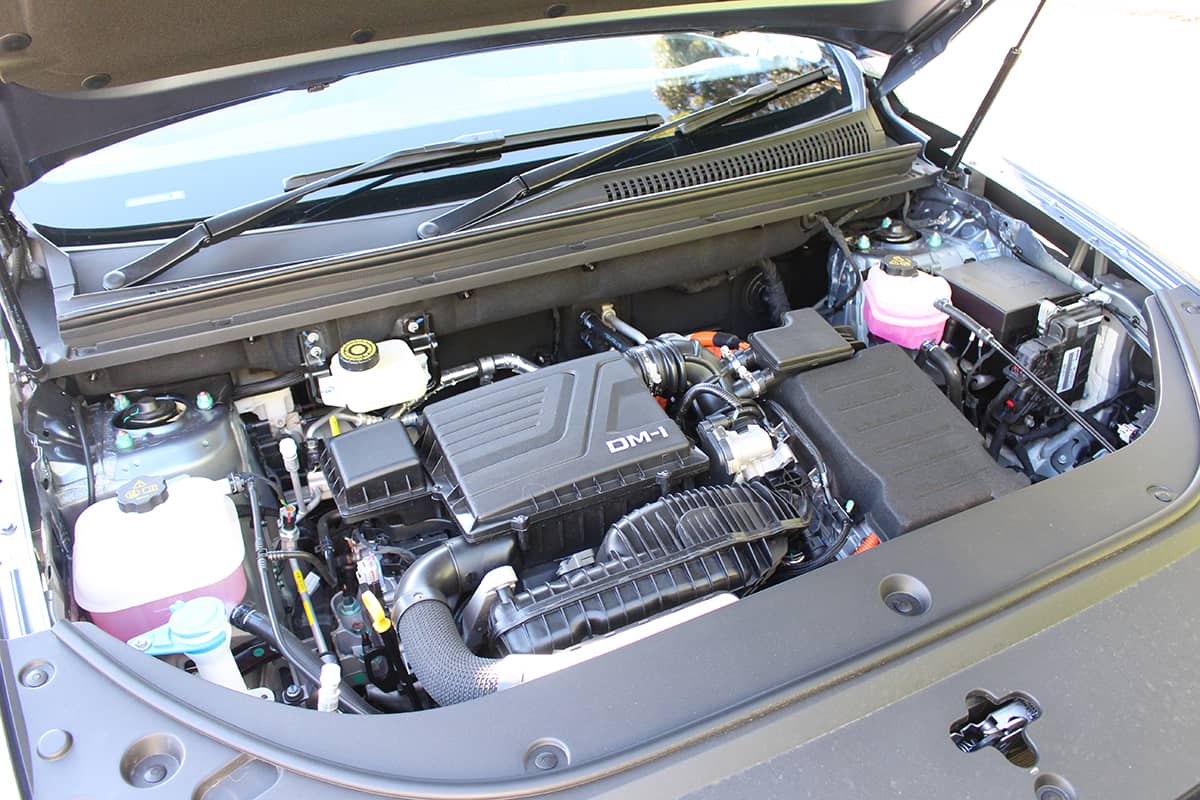
The Sealion 5’s front wheels are driven by a combined maximum of 156kW thanks to a 1.5-litre four-cylinder petrol engine (145kW/300Nm) and a permanent magnet synchronous motor (72kW/122Nm).
BYD claims a 0-100km/h sprint of 7.7 seconds for the Sealion 5 Essential, four tenths faster than the Premium despite only a 61kg difference in kerb weight.
Efficiency – What is its fuel consumption? What is its driving range? 8 / 10
With a charged 12.9kWh lithium iron phosphate (LFP) battery and a full 52-litre (95 RON minimum) fuel tank, BYD reckons the Sealion 5 Essential can cover 1001km under NEDC testing, which is optimistic. It claims 71km can be done on EV power alone.
Not only due to the lenient nature of NEDC testing (WLTP is more common and usually results in lower ranges), but the reality is that once the battery is flat, the engine is doing a lot more work.
Charging is slow, limited to 3.3kW (AC only), which should take between 4 and 5 hours to charge from the lower end of the gauge for the battery size. Given most PHEV owners will do this overnight at home, that’s certainly not the end of the world.
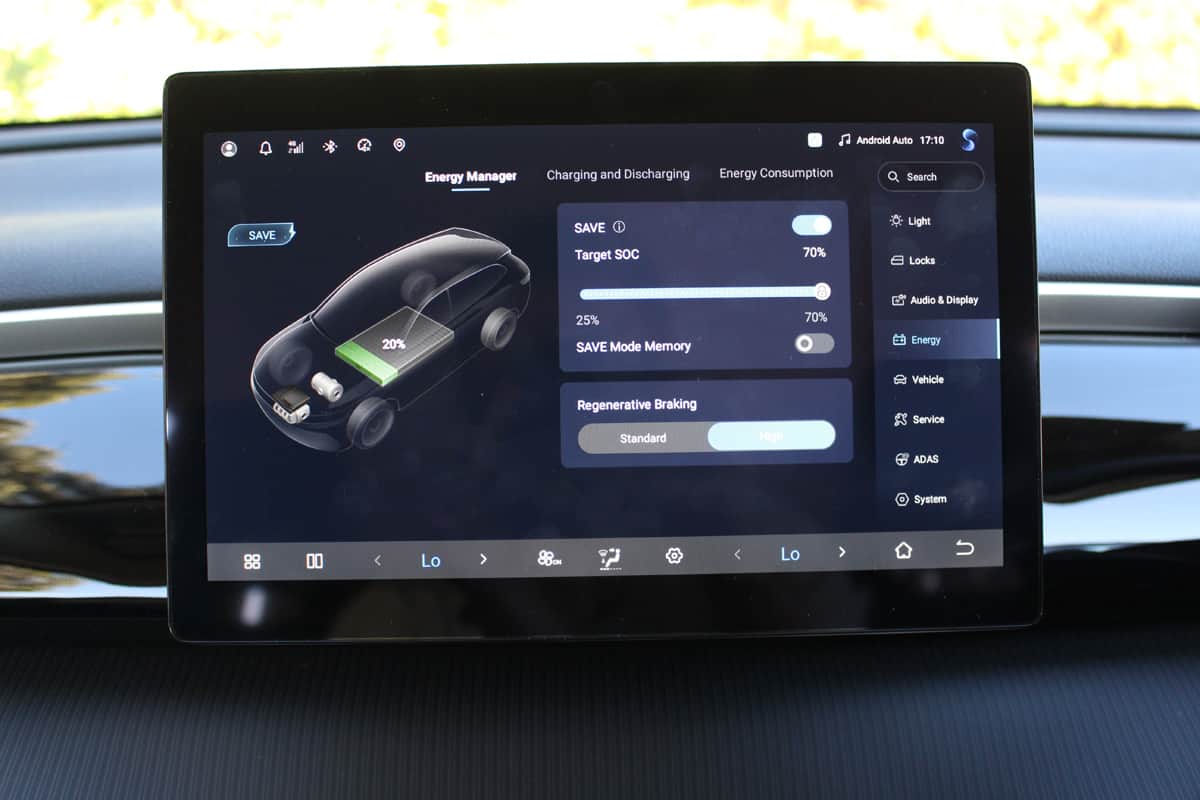
Claimed consumption figures are 1.2L/100km with more than 25 per cent battery charge, or 4.5L/100km when it dips below that.
Realistically you could do sub-50km trips and use no fuel, or never plug your Sealion 5 in and see fuel consumption soar. In any case, anything close to 1001km in a single run is extremely unlikely.
Driving – What’s it like to drive? 7 / 10
You might expect a car at this price, regardless of its drivetrain, to be underwhelming from behind the wheel.
That, then, makes it even more pleasantly surprising that the BYD Sealion 5 is actually rather competent. Not massively exciting or dynamic, but certainly not a disappointment.
The Sealion 5 is, save for a couple of arguably minor annoyances, quite easy to get used to and drive.
Firstly, when making proper use of its electric power, the drivetrain provides enough shove for its intended use. It’s not overly powerful, but you won’t have trouble overtaking. It’s the same with most of the inputs, the steering is light but not completely numb – again about right for how the Sealion 5 will be driven.
Perhaps its biggest departure from expectations based on other cars from China is its suspension is on the stiffer side of things, but again it’s not unruly or too rugged. In fact, it does provide a better sense of control than many of its compatriots.
Again, the biggest issue with the Sealion 5 day-to-day is its driving position, the steering column adjustment isn’t up to scratch and there’s not really a perfectly comfortable seating position (I’m a very standard 178cm).
On long trips, you might also find the engine gets quite noisy once the battery power is gone as it works hard to pull the mid-size SUV along under acceleration.
Its driver-assist systems are, you might be pleased to hear, on the calmer side of things – BYD is getting better at calibrating its safety features and I didn’t find myself rushing to switch it all off as quickly as usual.
It can still be a bit too persistent in its lane-keeping, but it’s a big improvement on the way things were.
Safety – What safety equipment is fitted? What is its safety rating? 7 / 10
There’s no ANCAP rating for the Sealion 5, but the list of safety kit isn’t lacking on paper.
BYD lists seven airbags ,including full-length side-curtain bags and an important centre airbag, plus there’s a whole suite of tech that’s, as noted, better behaved than past driver-assist systems from BYD.
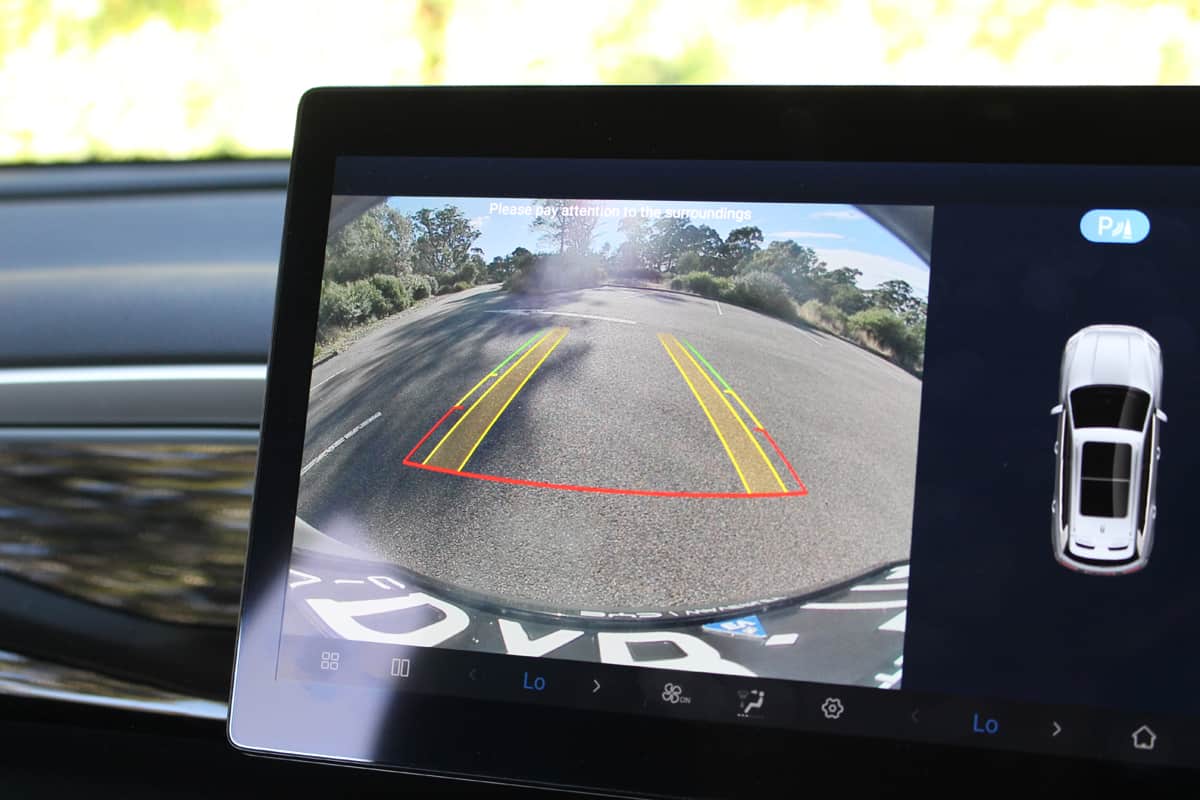
The Essential only misses out on a surround-view parking camera and front parking sensors, both arguably important safety features for parents, but the rest of the list is the same as the Premium including adaptive cruise control, lane-keep and lane departure assist, traffic sign recognition, blind-spot monitoring, rear cross-traffic alert with rear AEB (as well as front AEB, of course) and tyre pressure monitoring.
Ownership – What warranty is offered? What are its service intervals? What are its running costs? 7 / 10
BYD has a six-year/150,000km warranty, which is probably more than you’d need in terms of distance but is behind many competitor brands’ timelines – seven to 10 years is becoming the norm, even if it’s conditional.
An eight-year/160,000km warranty covers the battery, which is about par for the industry.
Servicing for the first five proper services ranges from between $285 and $930, plus there’s a free check-up six months into ownership and a total cost over the span of $2355 – an average of $471 per service.
BYD has just over 100 dealerships in Australia, so finding one for servicing shouldn’t be too challenging.
Verdict
While the BYD Sealion 5 lacks the polish of some more established plug-in hybrids, it has a seriously compelling price advantage over some competitors. It makes a base-model Mitsubishi Eclipse Cross PHEV feel positively outdated and it’s $13,800 cheaper.
BYD’s lack of ANCAP rating for the Sealion 5 and the uncertainty around it still being a new brand are downsides, even if BYD is quickly moving past the latter. But being the most affordable PHEV available while having this much showroom appeal is bound to work in the Sealion 5’s favour, just don’t expect a dynamic masterpiece once you’re out on the road.