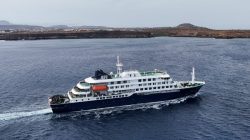
When a passenger died aboard a luxury cruise ship in April, the captain told guests the death was due to “natural causes” and that there was no risk to others onboard. Weeks later, health officials confirmed the passenger, along with two others linked to the voyage, died after contracting a rare and often deadly strain of hantavirus.
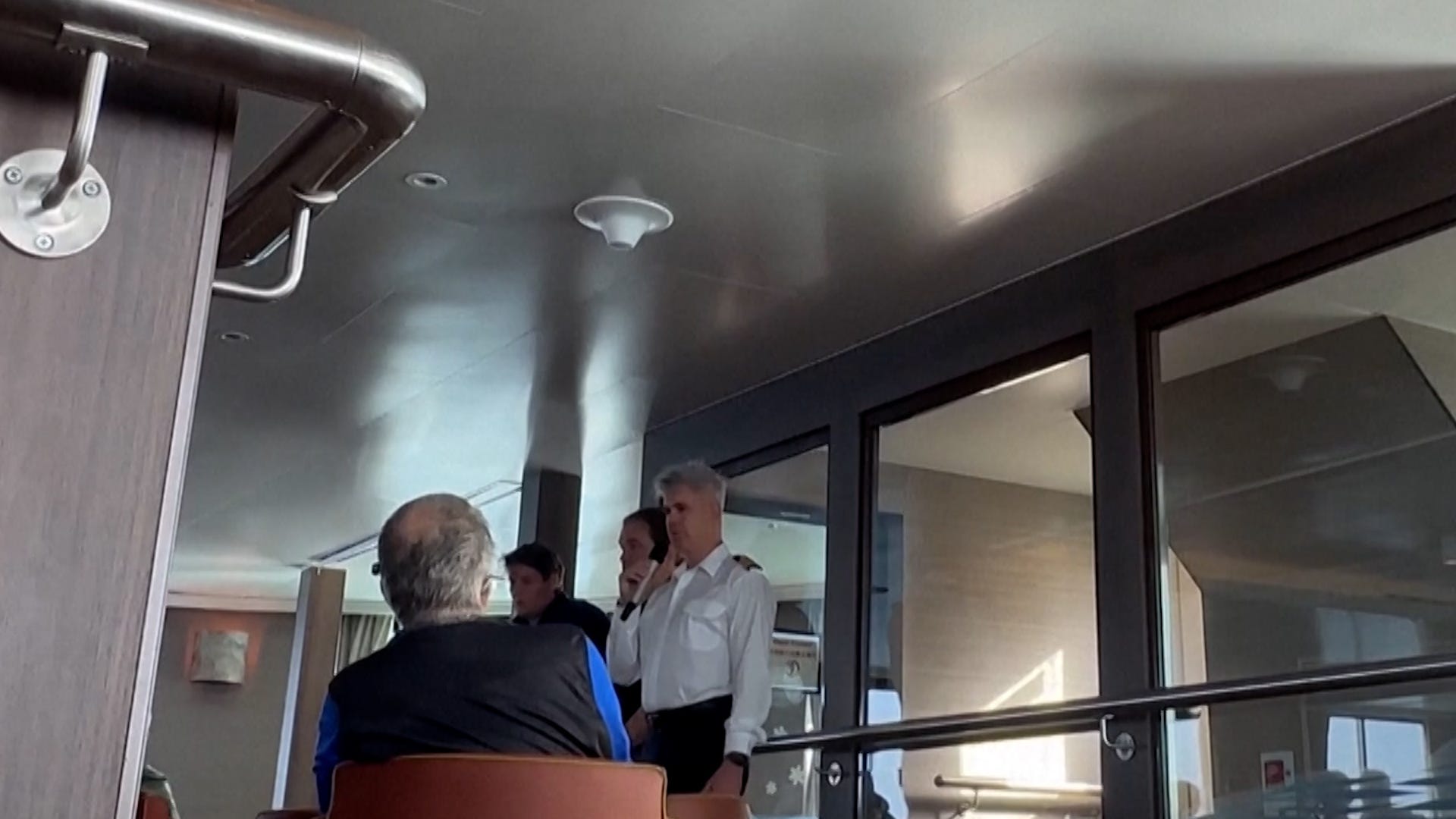
Video recorded April 12 aboard the Dutch-flagged MV Hondius captures Captain Jan Dobrogowski delivering the news to passengers. “Tragic as it is, it was due to natural causes, we believe,” Dobrogowski said, adding the ship was safe and that the passenger’s health issues were “not infectious.”
At the time, the cause of death could not be determined at sea.
How is hantavirus spread? What to know about causes, symptoms
At least 8 people now linked to the outbreak
The deaths occurred aboard and in connection with the Hondius, which departed Argentina on April 1 for a transatlantic voyage that included stops in Antarctica and several remote South Atlantic islands. At least eight people have now been linked to the outbreak, according to the World Health Organization, which confirmed the virus involved is Andes virus — a hantavirus strain known for rare person-to-person transmission.
What happened to the passengers who died?
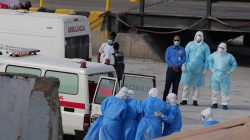
The first passenger died April 11. His body was disembarked April 24 on St. Helena, a remote island in the South Atlantic Ocean, according to cruise operator Oceanwide Expeditions. The ship was unable to determine his cause of death onboard, according to previous reporting by USA TODAY. His wife, who accompanied the repatriation, became ill during the return journey and died April 26, the company said. Both were Dutch nationals.
“At the time, it had not been confirmed that these two deaths were connected to the current medical situation on board,” Oceanwide Expeditions said in a May 4 update.
Days later, a British passenger who became seriously ill was medically evacuated to South Africa on April 27, where testing confirmed a hantavirus infection. The passenger remains in critical condition but is now stable in Johannesburg, the company said.
In graphics: Tracking deadly hantavirus outbreak on cruise ship
WHO confirms Andes virus strain
On May 6, the WHO confirmed laboratory testing identified Andes virus, a strain found in South America that, unlike most hantaviruses, can spread between people. The Hondius traveled across the Atlantic with stops including mainland Antarctica, South Georgia, Nightingale Island, Tristan da Cunha, St. Helena and Ascension Island, according to WHO officials.
How the hantavirus outbreak may have started
WHO officials believe a husband and wife, both Dutch nationals, were infected before boarding the ship during a bird-watching trip through Argentina, Chile and Uruguay. That trip included visits to sites where rodents known to carry Andes virus were present, WHO Director-General Tedros Adhanom Ghebreyesus said May 7. Other suspected infections may have occurred during shore excursions on remote islands visited during the voyage, WHO officials said.
What is hantavirus?
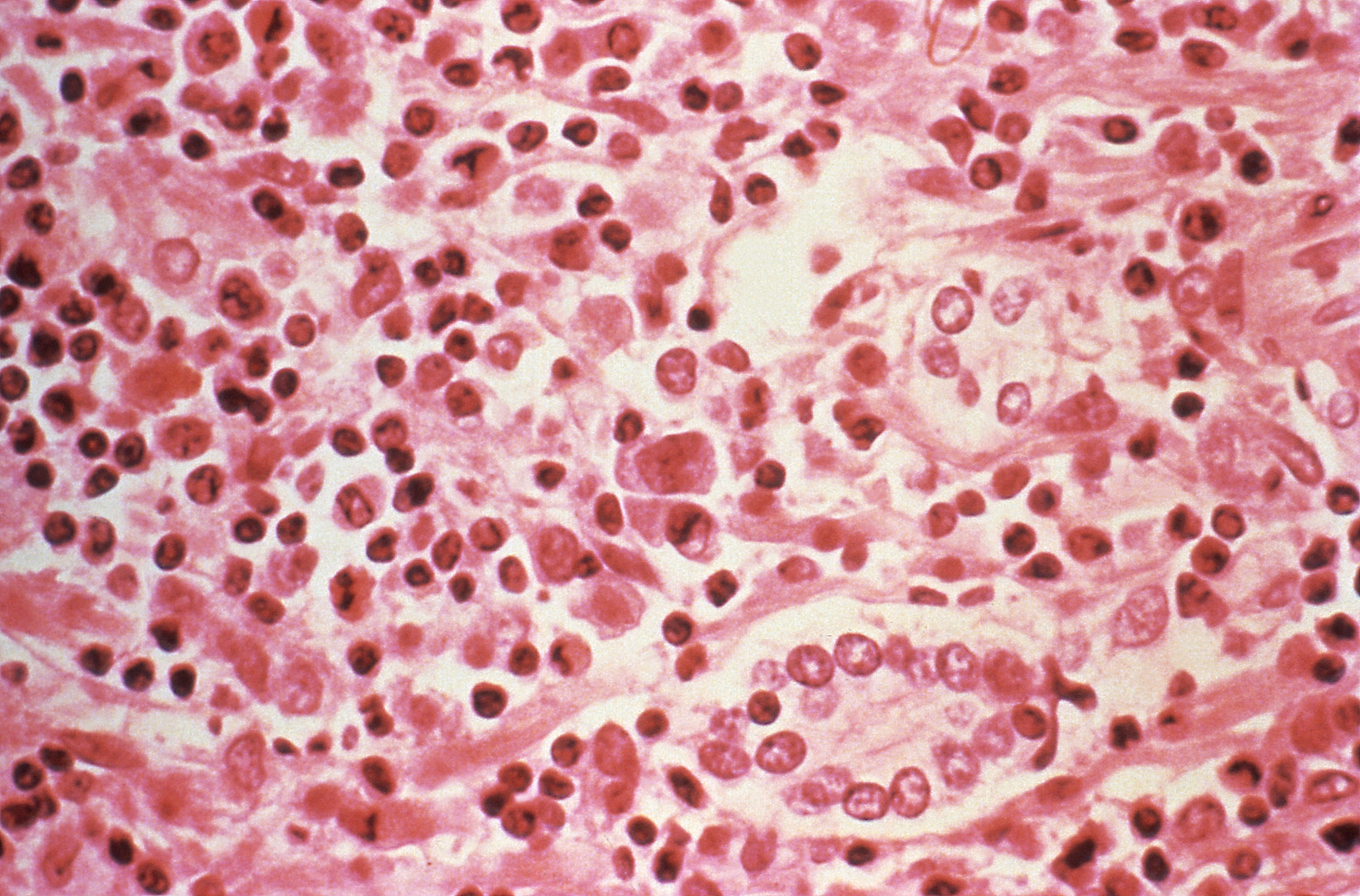
Hantaviruses are a family of viruses spread mainly by rodents that can cause severe and sometimes fatal lung infection, according to the Centers for Disease Control and Prevention. Most people become infected through contact with rodent urine, droppings or saliva. In rare cases — particularly with the Andes virus strain — it can spread from person to person, according to the Mayo Clinic. Symptoms can escalate quickly and may include fever, muscle aches and serious respiratory distress.