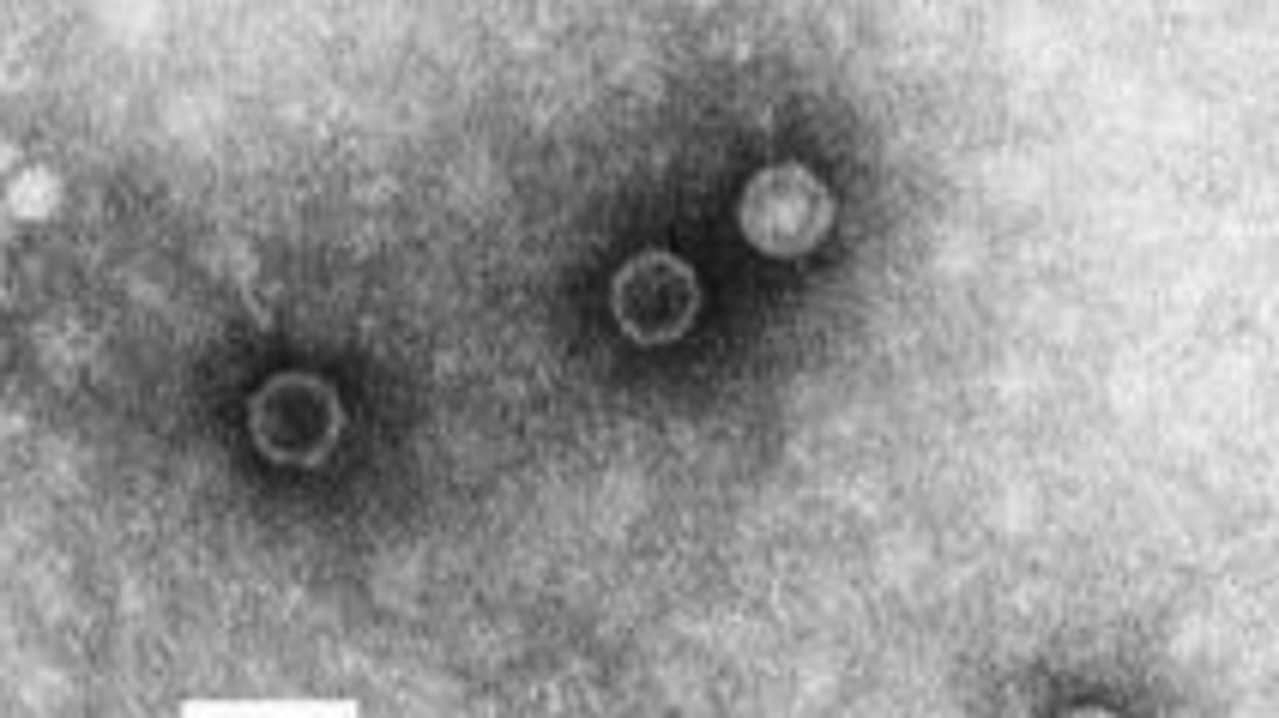
First Detection of Poliovirus in Australian Wastewater
A poliovirus strain has been identified in Australian wastewater for the first time, prompting increased monitoring and testing for the disease. This discovery has raised concerns among health authorities, who are now taking additional steps to ensure public safety.
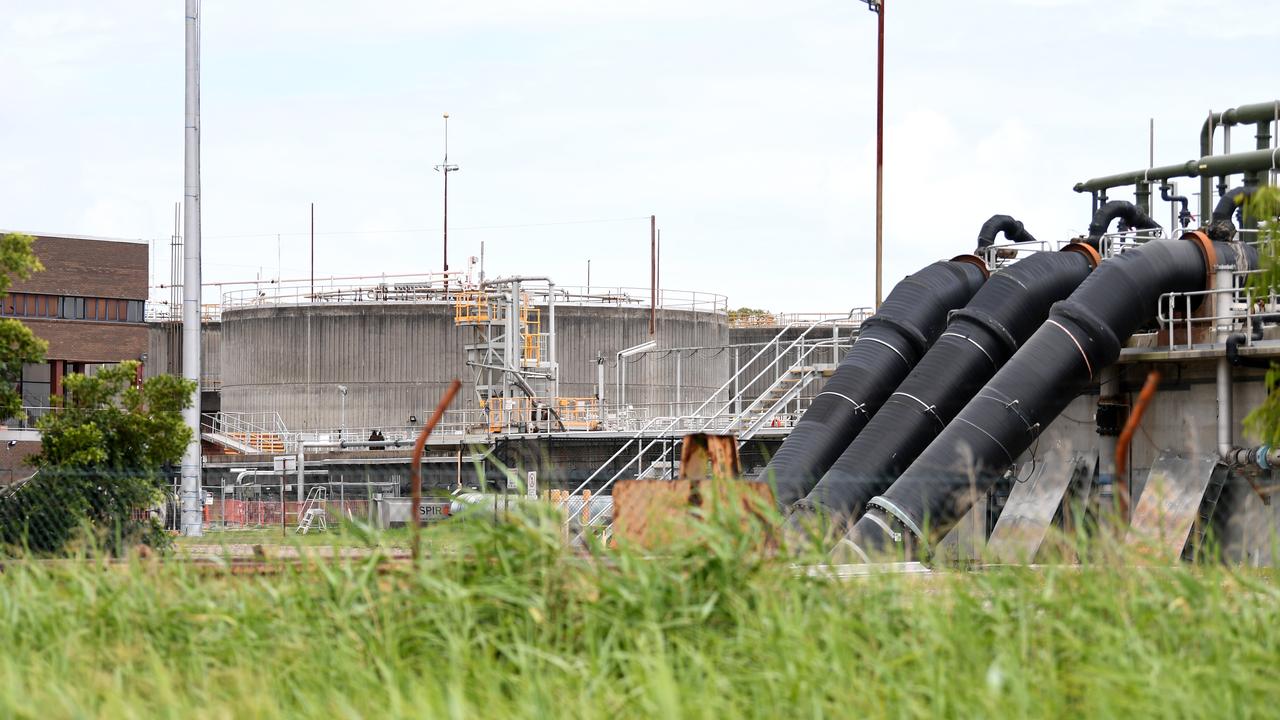
The poliovirus was detected in a wastewater sample collected from a Perth wastewater catchment last month as part of the national polio surveillance program. In response, the Western Australian Government has decided to increase testing frequency at the inner city Subiaco wastewater plant, conducting tests on a weekly basis for the next six months.
WA Health will also collaborate with medical professionals to enhance existing systems for detecting polio in hospitals throughout the state. These measures aim to provide early warning of any potential outbreaks and ensure that the population remains protected.
Australia has been officially declared polio-free since 2000, with the last locally acquired case reported in 1972. The recent detection involves a vaccine-derived poliovirus type 2 strain, which is similar to those found in other countries such as Africa, Europe, and Papua New Guinea.
The Australian Centre for Disease Control (CDC) emphasized that while this finding is significant, there is no evidence of the virus spreading within Australia. According to the CDC, poliovirus is a highly contagious viral illness that can lead to severe complications, including disability and death. Although the risk of infection is low, vaccination remains a crucial line of defense against the disease.
People infected with poliovirus may not show any symptoms or may experience mild effects. However, in some cases, the disease can result in paralysis, severe muscle pain, weakness, and involuntary movements.
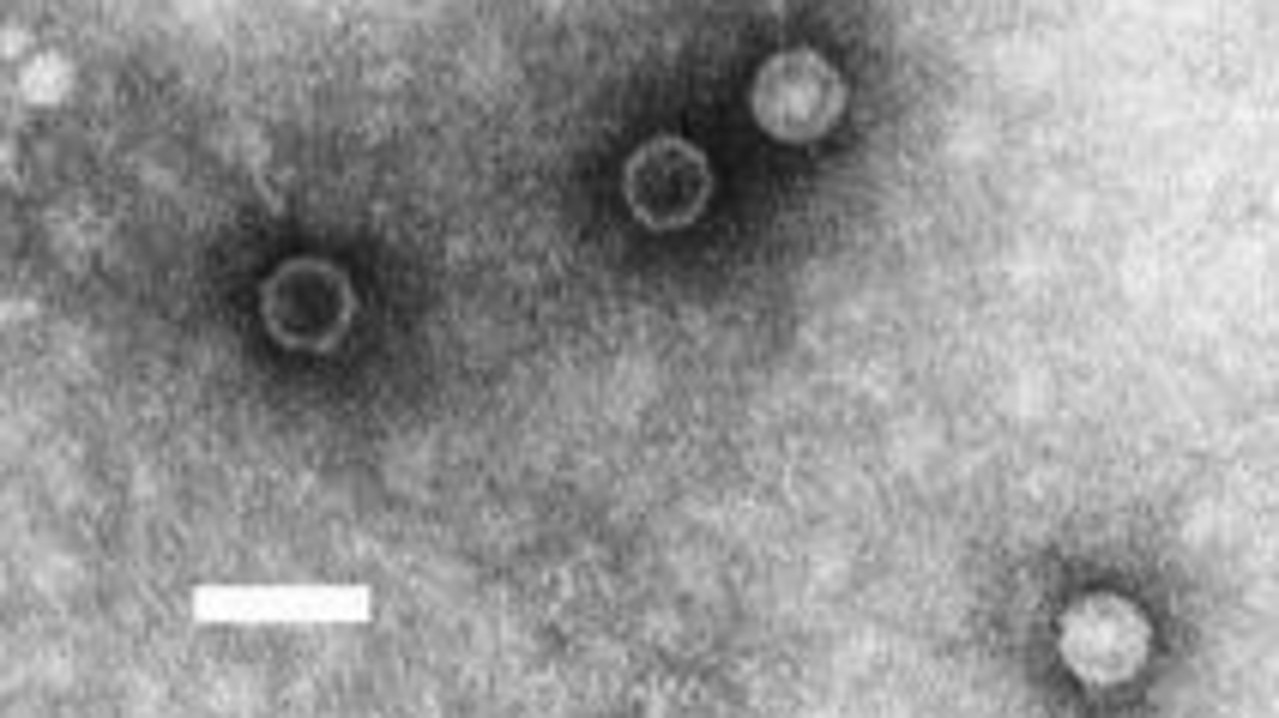
CDC Director-General Zoe Wainer clarified that the discovery is an environmental detection rather than a clinical case. She stated that no cases of polio have been identified, and there is no indication of local transmission. “Australia remains polio-free, but this is a timely reminder to check that you and your children are up to date with routine vaccinations,” she said.
Wainer added that vaccination is the most effective way to prevent polio. If individuals are unsure about their vaccination status or whether they need a booster, they should consult their general practitioner or immunisation provider.

Western Australia’s chief health officer, Clare Huppatz, described the single wastewater polio detection event as posing a very low risk to the population. She noted that the potential for this strain to spread in a highly vaccinated population is minimal, given that the poliovirus vaccination coverage among WA children stands at 92 per cent.
Dr. Huppatz suggested that the finding is most likely linked to someone who had recently traveled overseas and was shedding the virus. “Fortunately, Australia has an excellent vaccination program against poliovirus, which will protect the community against this strain,” she said.
She also highlighted the importance of maintaining high vaccination rates, noting that poliovirus continues to circulate in other parts of the world. “This serves as a timely reminder that ensuring you and your family are fully vaccinated is essential,” she concluded.