A Celebration of a Life Dedicated to Nature
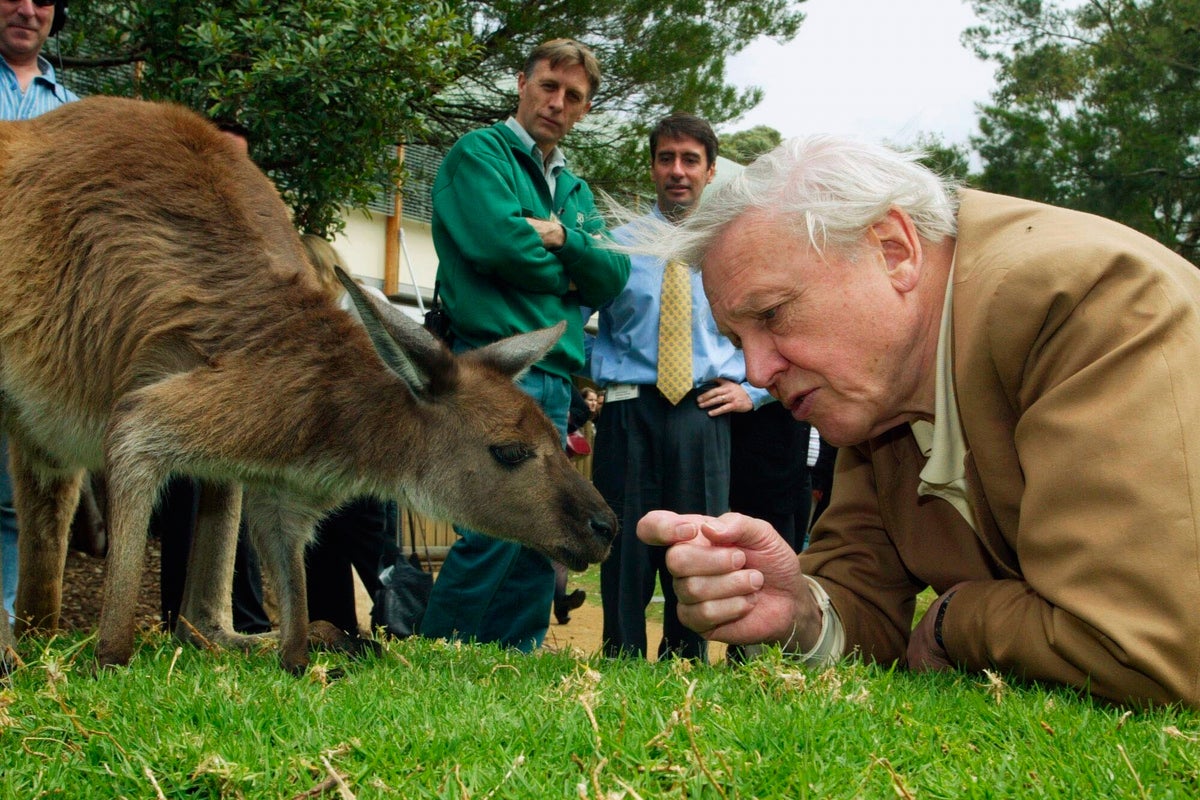
The BBC is hosting a special event at the Royal Albert Hall to honor David Attenborough on his 100th birthday. Cinemas across the country are showing his iconic nature films, and friends and colleagues have been celebrating his remarkable contributions to wildlife conservation and education. However, according to Alastair Fothergill, producer of some of Attenborough’s most famous documentaries, the man himself may not be entirely comfortable with the attention.
“He’s always made it clear that the animals are the stars, not him,” Fothergill said in an interview. “So, surprisingly for someone as famous as he is, he doesn’t like being in the spotlight.”
The Power of Storytelling
Attenborough has spent over seven decades bringing the wonders of the natural world into people’s homes. From frolicking gorillas to breaching whales and tiny poisonous frogs, his work has captivated audiences around the globe. Through programs like Life on Earth, The Private Life of Plants, and The Blue Planet, he has illuminated the beauty, complexity, and sometimes bizarre aspects of nature.
His calm, melodic voice has transported viewers to far-flung locations such as the Himalayas, the Amazon, and the dense forests of Papua New Guinea. But beyond the stunning visuals, his work has emphasized scientific accuracy, helping people understand complex topics like evolution, animal behavior, and biodiversity.
As evidence of environmental threats mounted, Attenborough began to sound the alarm about issues such as climate change and ocean plastic pollution. This shift from observer to advocate has had a profound impact on public awareness and understanding of the need to protect the planet.
A Voice for the Planet
Ben Garrod, an evolutionary biologist and broadcaster who has worked alongside Attenborough, believes that the presenter initially saw himself as a neutral observer. However, he felt compelled to speak out when he realized that politicians, business leaders, and the public were not taking the environmental crisis seriously.
“He shows the majesty, ferocity, and fragility of the natural world. He shouldn’t have had to turn to policymaking and advocacy,” Garrod said. “It’s easy to say, ‘Why didn’t he act sooner?’ But why didn’t we?”
A Love for Nature Begins Early
Born in London in 1926, Attenborough was raised on the grounds of what is now the University of Leicester, where his father held a senior position. From a young age, he showed a fascination with nature, collecting fossils, bird nests, and other treasures during his bicycle rides through the countryside.
“I’d find a fossil and show it to my father, and he’d encourage me to learn more about it,” Attenborough recalled. His early interest in geology and zoology led him to study at the University of Cambridge.
In 1952, he joined the BBC, starting with behind-the-scenes work on various programs. His passion for wildlife soon led him to produce a documentary about the coelacanth, a “living fossil” discovered off the coast of East Africa. This experience sparked his desire to create more wildlife films, despite resistance from the BBC.
A Career That Changed the World
In 1954, Attenborough convinced the BBC to let him travel to West Africa with a London Zoo team, which marked the beginning of his career as a field host and producer. His work on Zoo Quest launched a long and influential career in wildlife television.
One of the most iconic moments of his career came during the 1979 series Life on Earth, when he encountered a family of mountain gorillas in Rwanda. A young gorilla lay across his body while babies tried to remove his shoes. Attenborough described the moment as one of the most privileged of his life.
A Beloved Figure in Science Communication
Jean-Baptiste Gouyon, a professor of science communication at University College London, credits Attenborough with giving wildlife television a recognizable face. “He gave it a figure, a front-of-house person that embodies the discourse about nature,” Gouyon said.
On the occasion of his 100th birthday, Attenborough expressed surprise at the overwhelming response from fans, including preschool groups, care home residents, and families of all ages. “I can’t reply to each of you individually, but I want to thank you all sincerely for your kind messages.”
Fothergill believes that Attenborough will continue working for as long as he is able. “He feels incredibly privileged to still be asked to work in his late 90s,” he said. “He will go on forever. He will die in his safari shorts.”