A Weekend in Baku: A Carpet-Covered Celebration of Culture
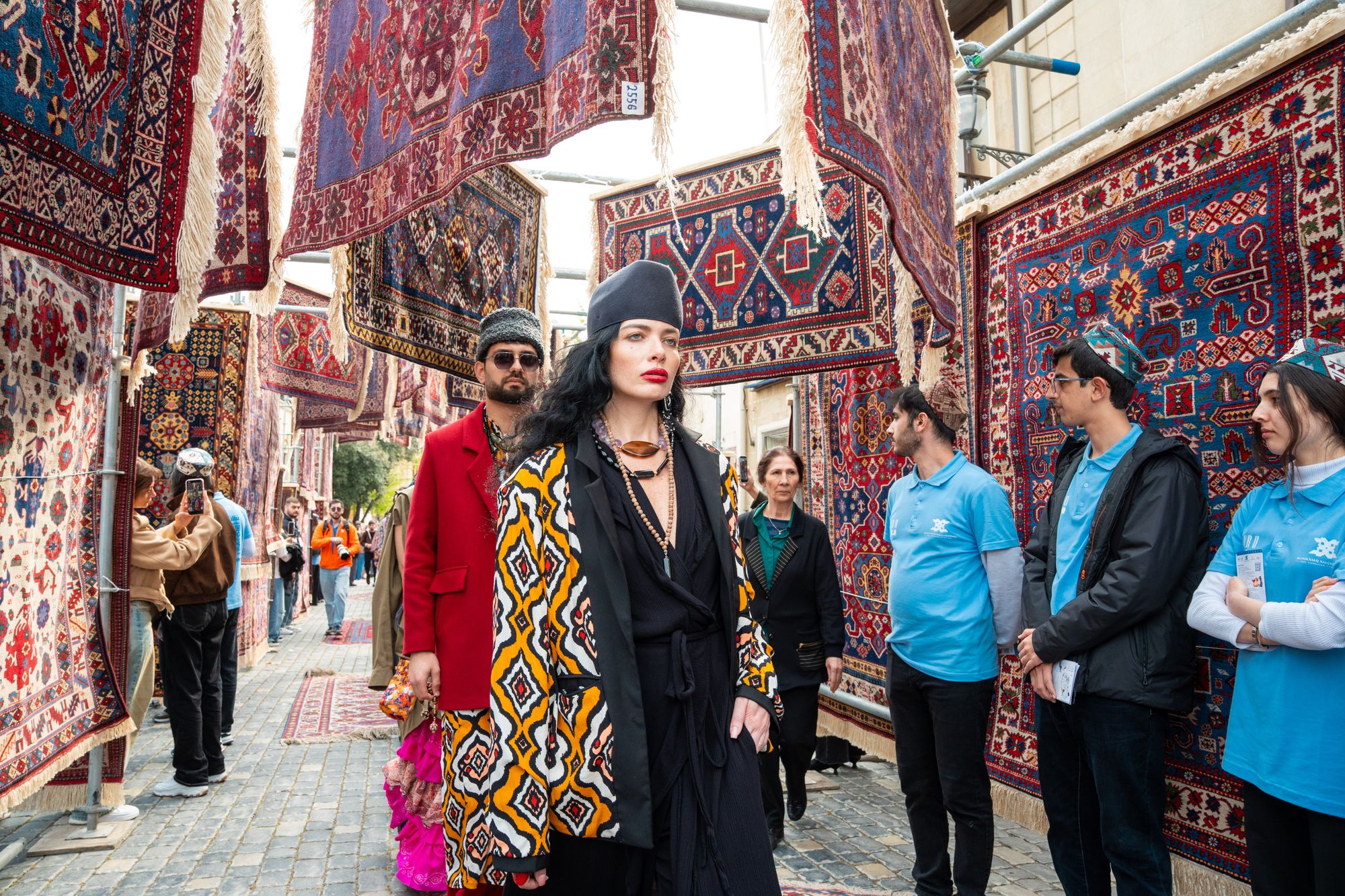
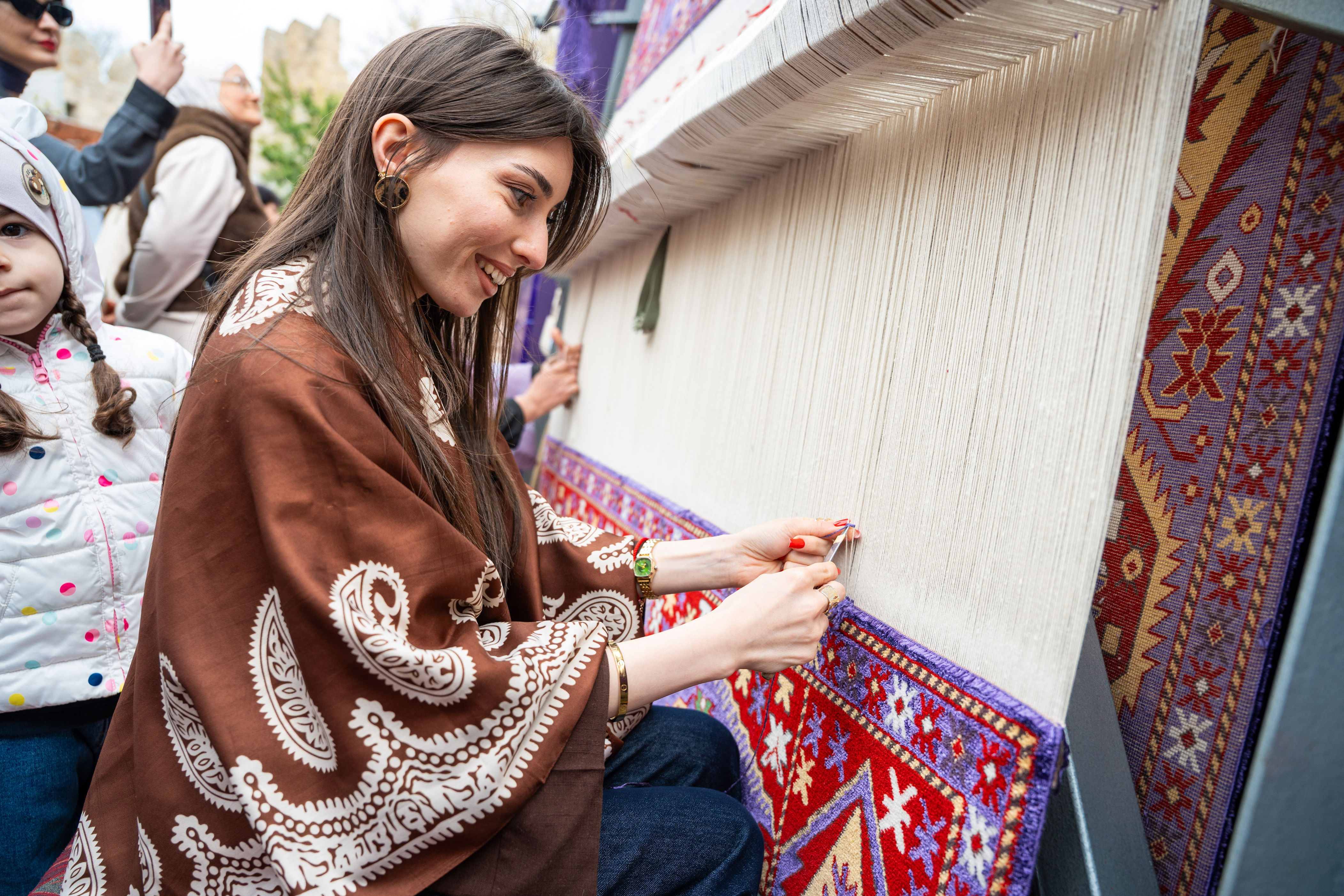
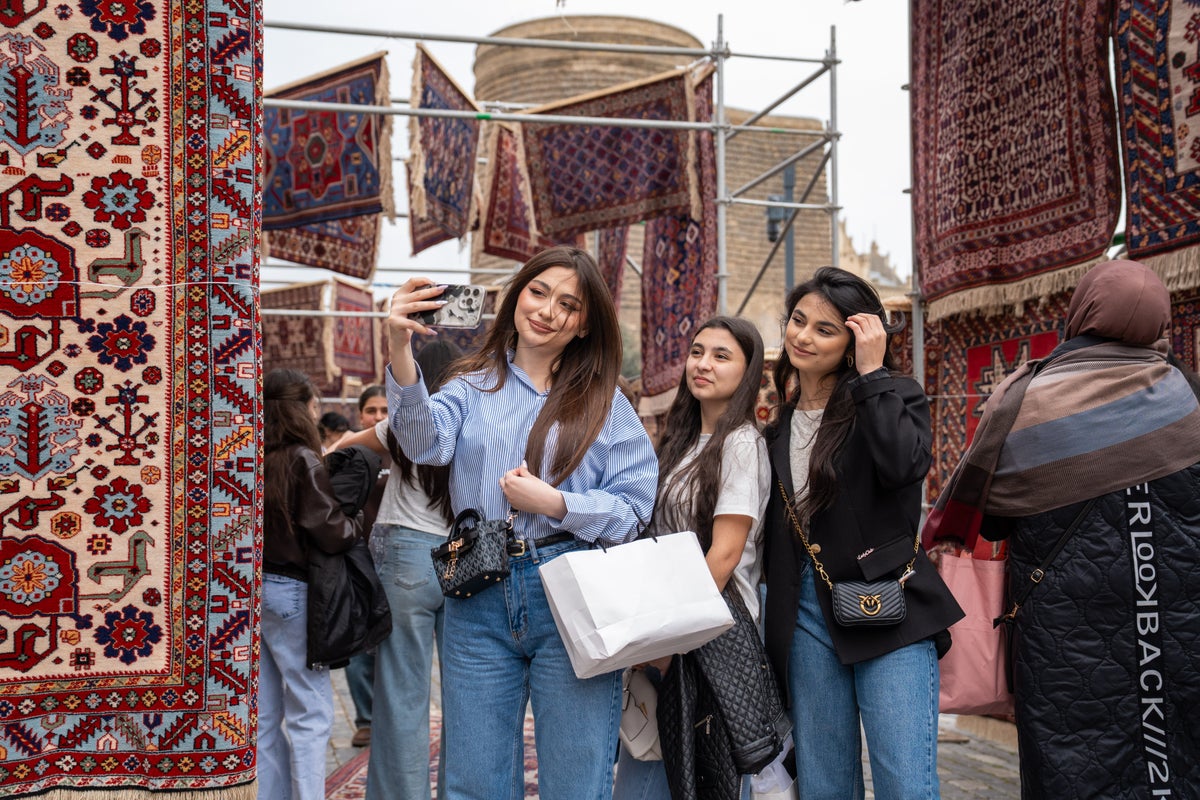
Baku, the ancient capital of Azerbaijan, is a city that effortlessly blends its rich history with modern innovation. For one weekend only, the medieval Old Town transformed into a vibrant tapestry of color and artistry, as hundreds of hand-woven carpets were laid head-to-head across the cobbled streets. This unique festival, which brought together dealers, weavers, and historians from 19 nations, offered a magical mosaic of traditional designs and contemporary creativity.
The event was not just an artistic showcase but also a celebration of the deep cultural significance of carpets in Azerbaijani society. Some of the carpets on display were crafted over 2,000 years ago, highlighting the enduring legacy of this ancient art form. The festival coincided with the Baku marathon, adding another layer of excitement to the city’s cultural calendar. Visitors could enjoy street theatre, pop-up activities, and even a children’s football pitch made entirely of rugs.
A City Reimagined Through Art and Architecture
Baku’s transformation is evident in its architecture, where medieval structures stand alongside modernist masterpieces. The city has positioned itself as a hub for art and culture, driven by its oil wealth and strategic partnerships. This cultural renaissance has given Azerbaijan a distinct national identity, setting it apart from its Soviet past.
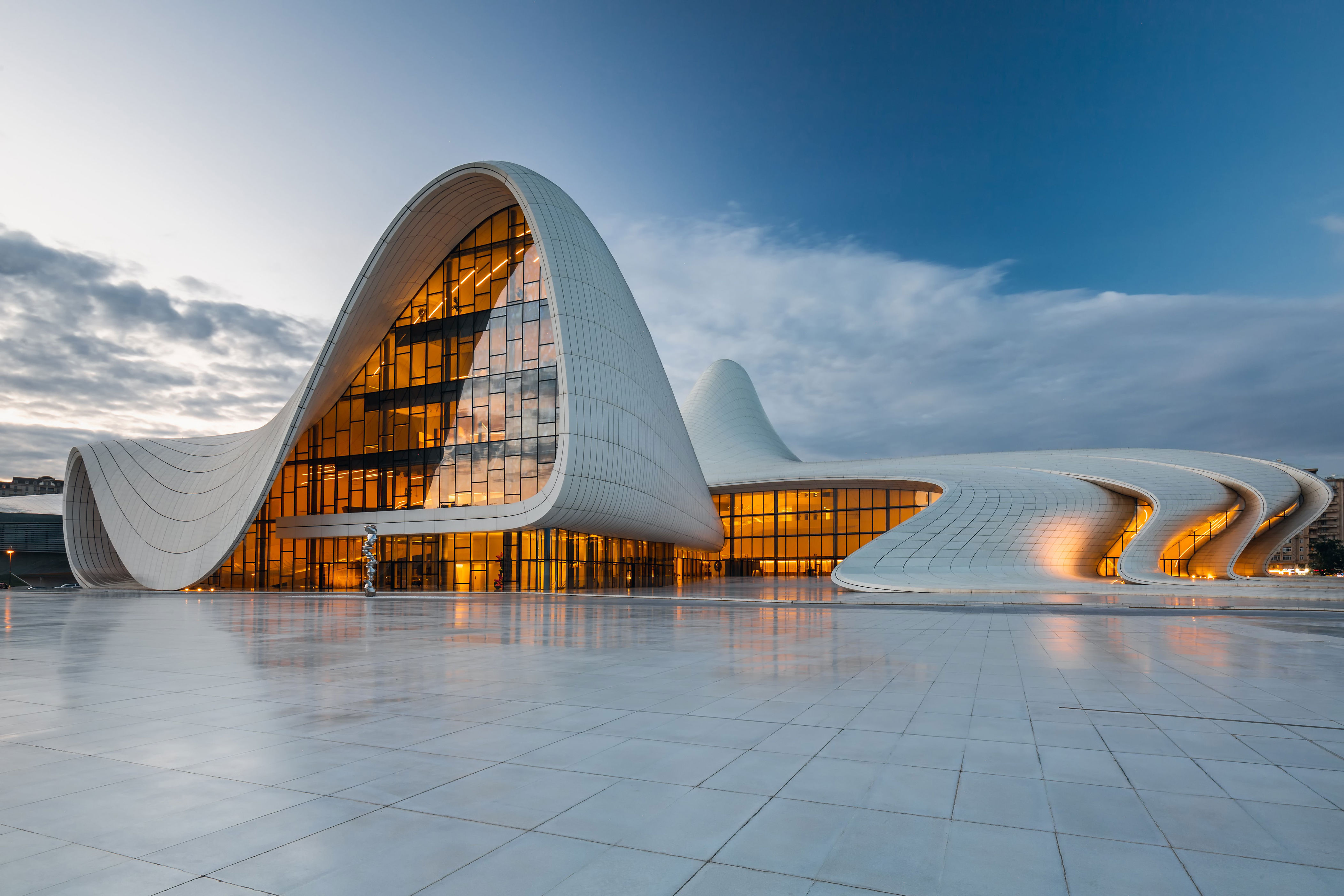
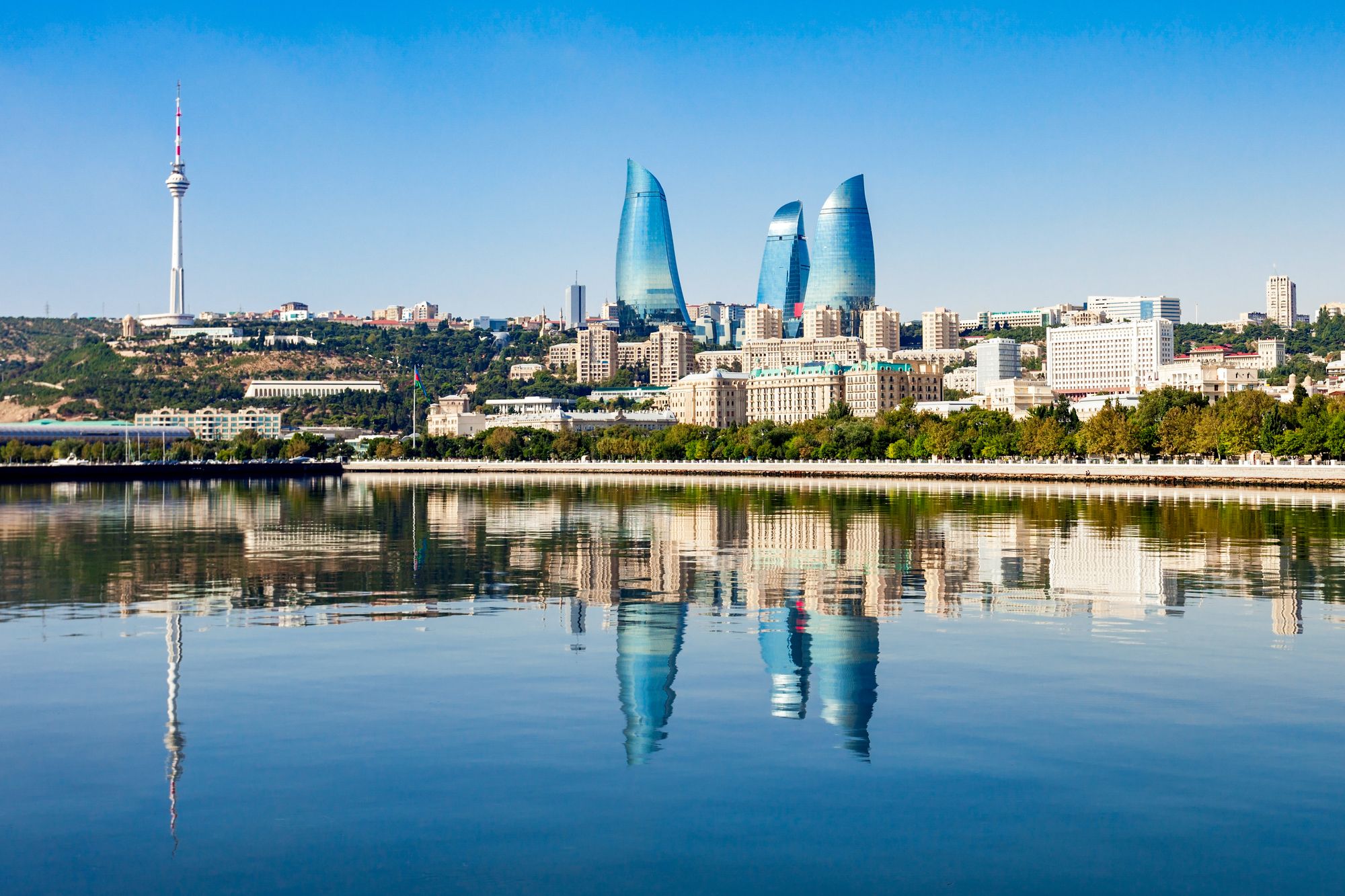
The country has also gained international recognition through events like Cop 29 in 2024 and its inclusion in the Formula One calendar. Baku’s skyline is a testament to this evolution, with landmarks such as Zaha Hadid’s Heydar Aliyev Centre standing out as a symbol of modernist design. The building’s fluid forms echo the folds of a carpet, drawing a direct connection between architecture and traditional craftsmanship.
Exploring Baku: A Blend of Old and New
A three-night visit to Baku offers the perfect opportunity to experience the city’s rich cultural heritage. The Carpet Museum, shaped like a folding rug, is a must-visit, showcasing the world’s largest collection of carpets. Nearby, the Maiden Tower provides panoramic views of the Palace of the Shirvanshahs, a UNESCO-listed site.
Baku’s historic district is a maze of Islamic, Persian, and local Shirvan styles, with caravanserais, mosques, and narrow lanes. Landmarks such as the Ismailiyya Palace and Baku City Hall reflect the city’s early 20th-century optimism, when European architects helped shape its identity as the “Paris of the East.”
The Carpet Festival: A Global Celebration
Emin Mammadov, chair of the carpet board, played a central role in organizing the festival. His vision is to expand the event, emphasizing the importance of carpets as a symbol of art, economy, and cultural identity. Discussions at the festival included the role of carpets in Hollywood films, poetry, and the contributions of women to the craft.
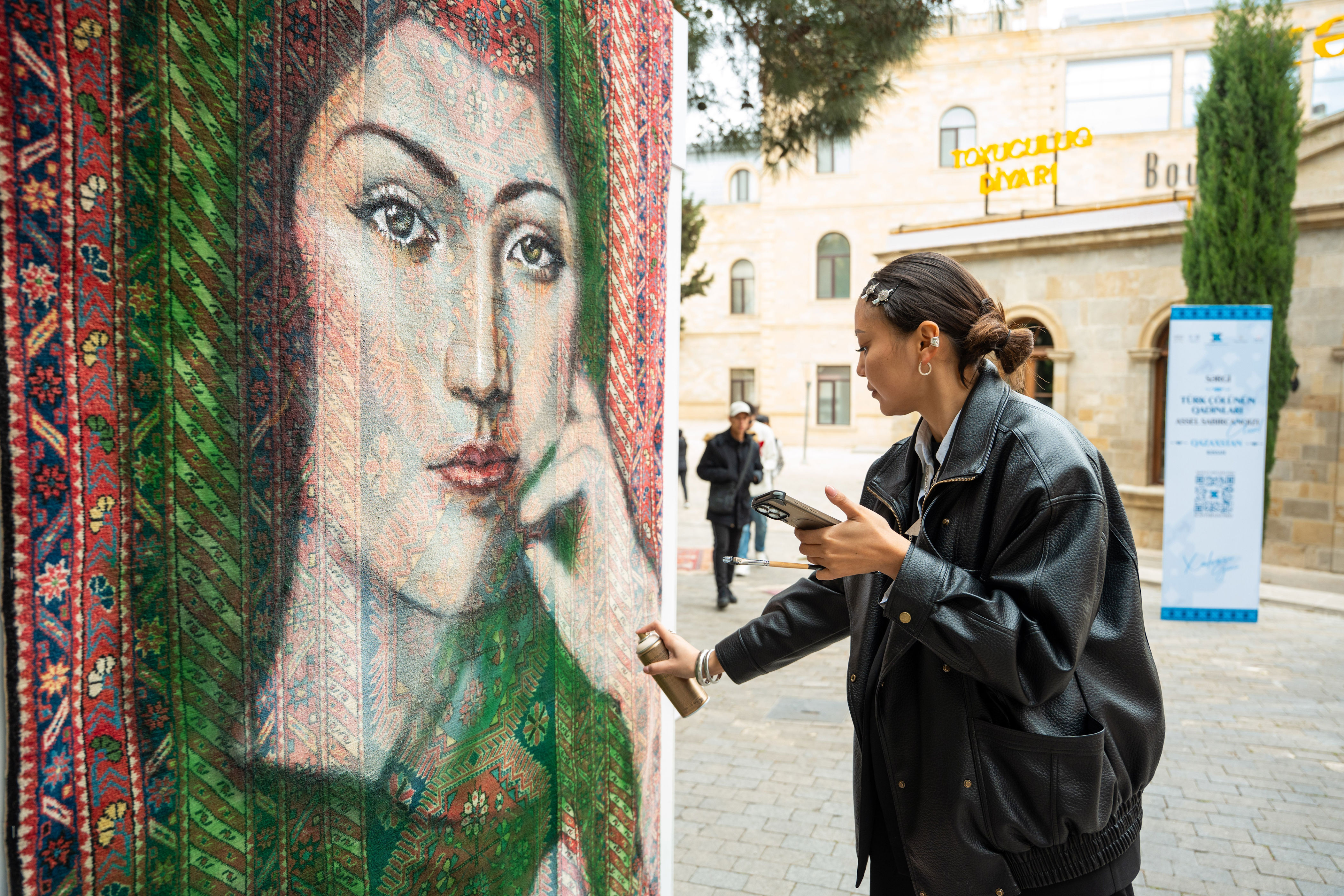
The link between painting and carpets was a key theme, with artists like Aida Mahmudova and Assel Sabircangizi pushing the boundaries of traditional techniques. Their work highlights how ancient crafts can be reinterpreted in modern contexts, blending abstraction with tactile textures.
A City of Contrasts
Baku is a city of contrasts, where the old meets the new in seamless harmony. The Old City, with its labyrinthine streets, offers a glimpse into the past, while the new town boasts luxury shopping and affordable brands. Local cuisine, including spinach and lamb pancakes and sweet baklava, adds to the city’s charm.
For those seeking adventure, Baku offers a range of experiences, from skiing in the snow-capped mountains to relaxing on sandy beaches. The city’s nine climate zones provide a diverse landscape, making it a year-round destination.
The Future of Baku
Anar Alakbarov, assistant to the president and executive director of the Heydar Aliyev Foundation, emphasizes the importance of art in shaping the future. He believes that beauty and cultural traditions continue to inspire and drive progress in Azerbaijan.
As the sun sets over the Flame Towers, Baku remains a city of wonder and possibility. Its blend of history, art, and innovation makes it a compelling destination for travelers seeking a unique cultural experience.