The Hidden Reality of Football: A Game Played in Moments
Former Arsenal vice-chairman and Premier League founder David Dein once made a startling observation during an appearance on the Instagram channel Extraordinary Life Stories. He claimed that elite footballers may only have the ball for around 2 minutes in a 90-minute match. “Not many people know this. How long do you think a player is in possession of a ball in 90 minutes? Two minutes,” he said. “They play three games in eight days. They’re actually on the ball for six minutes during three games. They’ve got to make their fame, their fortune, their impression on the world in six minutes in three games.”
This revelation highlights the paradox of modern football: the most celebrated players are expected to create magic, justify million-dollar valuations, and alter history in just a few minutes of possession. Yet, the bigger insight might not be how little they touch the ball, but what they do for the remaining 88 minutes.
The Evolution of Modern Football
Former India captain Jo Paul Ancheri believes that the evolution of modern football lies in the way players move and think when they’re not in possession of the ball. “Modern football brings a lot of things. The intensity, movements, or mobilities for a modern footballer is a lot different than what it was earlier,” he explained. “In 90 minutes, we probably get three to four minutes where we are with the ball. But we are always moving, trying to understand the tempo of the game. Football intelligence is another aspect when you are not with the ball. To understand where is the gap and how you can create space,” he added.
This mindset explains why the best footballers often appear to be doing the least. Modern football analytics now recognize that scanning space, reading movement patterns, conserving energy, and anticipating transitions are often more valuable than constant running. The sport’s greatest minds are not always chasing the ball — they are studying chaos before entering it.
Beyond the Ball: The Emotional and Commercial Value of Elite Players
For Prashant Joglekar, a sports business analyst, the commercial value of elite footballers goes far beyond their time on the ball. “Clubs are not merely paying for the few minutes an elite footballer spends on the ball. They are paying for the psychological science of ‘90-minute hope’ and the emotional anticipation that builds toward decisive moments — a goal, an assist, a dribble, or even a game-changing movement,” he said.
“Elite footballers create moments that trigger peak human emotions: excitement, belonging, admiration, and identity. Those moments build long-term fandom and emotional loyalty among supporters. Once that emotional connection is established, clubs are able to monetise it through sponsorships, ticket sales, broadcasting rights, merchandise, digital content, and global fan engagement,” he explained.
“So the commercial value of elite footballers lies far beyond touches on the ball. They are essentially emotional and cultural assets operating inside a global entertainment economy,” he emphasized.
The Economy of Moments in Modern Football
In many ways, modern football has become an economy of moments. A 10-second goal clip now travels farther on social media than a complete tactical masterclass lasting two hours. Algorithms reward drama. Fans consume reels before full matches. Broadcasters replay emotional moments endlessly because every replay carries commercial value attached to it.
Talking about how modern football has become an economy built around moments rather than sustained dominance, Joglekar highlighted, “I would say this is not just about modern football — it reflects the broader evolution of attention spans and the influence of social media and digital technology on content consumption.”
“Today, moments are the most powerful form of media currency. A 10-second clip can generate more engagement globally than a full 90-minute tactical masterclass. Fans increasingly consume sports through highlights, reels, reactions, memes, and emotionally charged moments.”
“So football is not artificially creating this culture; rather, it is adapting intelligently to how modern audiences consume entertainment. The sport still values sustained dominance and tactical excellence, but commercially and digitally, moments have become the strongest engagement assets,” he further added.
The Contrast Between What Fans See and What Players Do
| Aspect | What Fans See | What Elite Footballers Actually Do |
|---|---|---|
| Time On The Ball | 2-4 minutes in 90 minutes | Make decisive actions under immense pressure |
| The Other 88 Minutes | Waiting in Anticipation | Scanning space, reading tempo, creating passing lanes |
| Modern Football Skill | Dribbling, goals, assists | Positioning, anticipation, off-ball intelligence |
| What Coaches Value | Touches and statistics | Decision-making, movement, tactical awareness |
| What Clubs Pay For | Goals and highlights | Emotional impact, match-winning moments, global fandom |
| Modern Football Economy | Full matches | Viral moments, clips, celebrations, shareable content |
| Social Media Impact | Highlights and reels | Billion-dollar engagement through short emotional moments |
| Broadcaster & Sponsor Value | Match coverage | Replays of iconic moments carrying branding and ads |
| Why Messi/Ronaldo Matter | Numbers and trophies | Ability to repeatedly create unforgettable moments |
| Core Philosophy | Football is played with the ball | Football is often decided without it |
The Power of One Iconic Moment
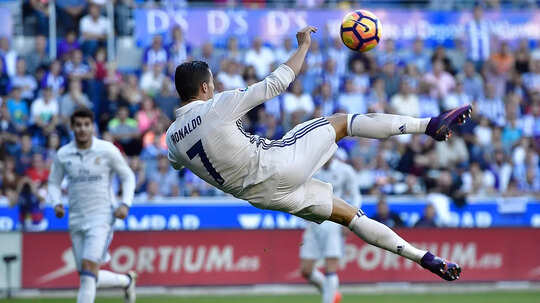
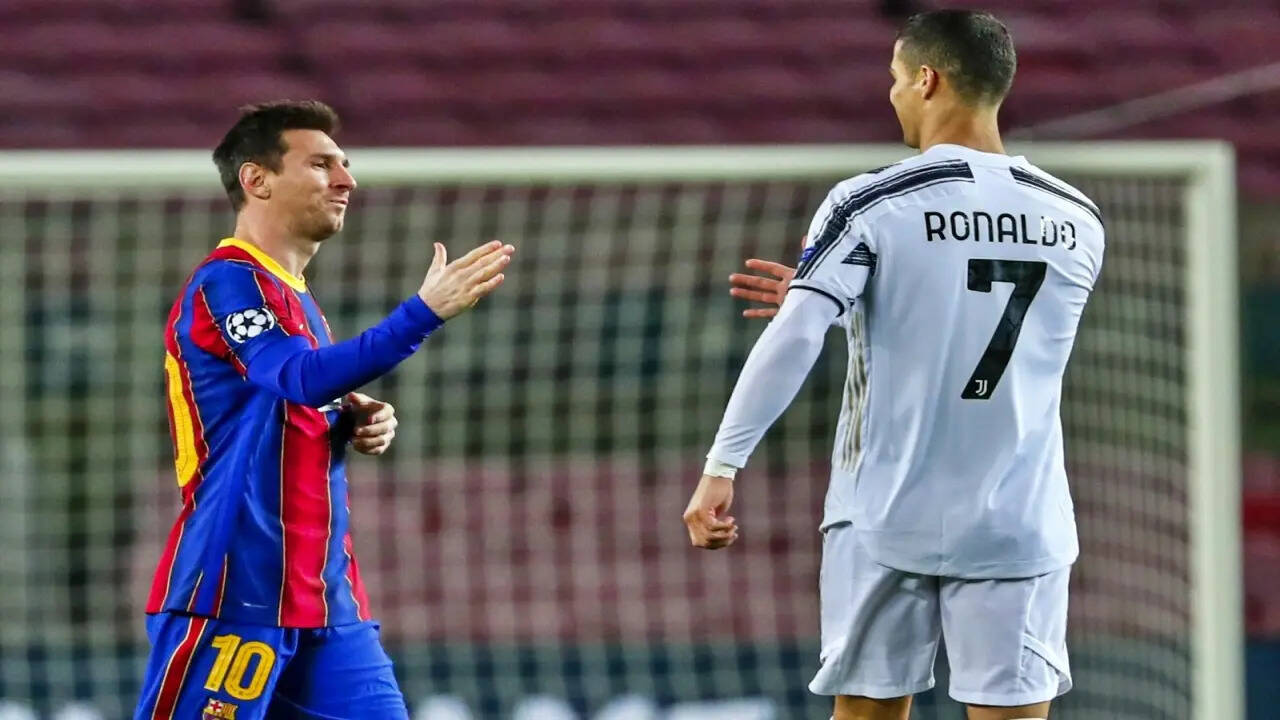
That explains why one pass from Lionel Messi, one late winner from Cristiano Ronaldo, or one iconic celebration can dominate global conversations for days. “Shareable moments are now among the most commercially valuable assets in sports media because they deliver extraordinary ROI. Think about it — billions of fans repeatedly watch iconic goals, celebrations, controversies, and emotional reactions across platforms without fatigue. Every replay carries sponsor logos, branding integrations, advertisements, commentary references, and commercial associations along with it,” he broke it down.
“These moments travel far beyond the live match itself. They dominate: social media, digital conversations, highlight ecosystems, fan edits, brand campaigns, and algorithm-driven content distribution. So while overall match quality still matters for the credibility of the sport, commercially the industry increasingly recognises that emotionally powerful, shareable moments are what drive visibility, engagement, and monetisation at scale,” he stressed.
Football, perhaps more than any other sport, survives on anticipation. Ninety minutes often build toward a few decisive seconds. And that may be why the game continues to hold billions captive across generations.
Because while football may technically be played with the ball for ninety minutes, emotionally it is played in every second leading up to those moments.