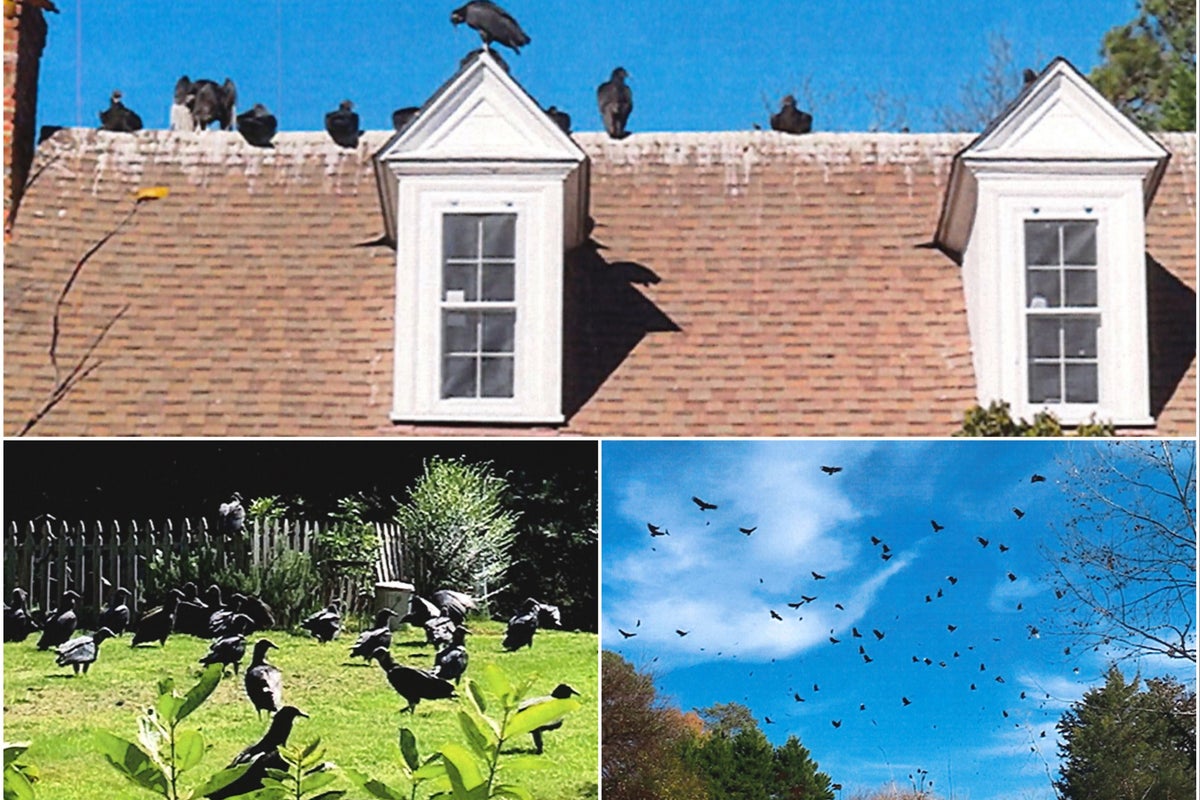
A long-standing conflict between a wildlife-loving couple in North Carolina and their neighbors has escalated, prompting local authorities to seek a court order that would prevent the pair from feeding up to 100 vultures that have been gathering on and around their property for the past two years.
The Town of Hillsborough filed a civil petition on March 17, stating that it started receiving complaints about the scavengers in May 2024. The petition directly blames Kenneth and Linda Ostrand, claiming that the couple was feeding food scraps to the vultures, which attracted more birds to their property.
Although the Ostrands claim they largely stopped feeding the vultures in November 2024, the town asserts that the couple has been seen leaving food out for them as recently as February. The vultures are said to produce large amounts of noxious excrement, which is not only foul-smelling but also corrosive to surfaces like roofs and vehicles. Tree branches have been damaged by the weight of the droppings, and the buildup on sidewalks and driveways poses a public health hazard and makes the areas dangerously slippery.
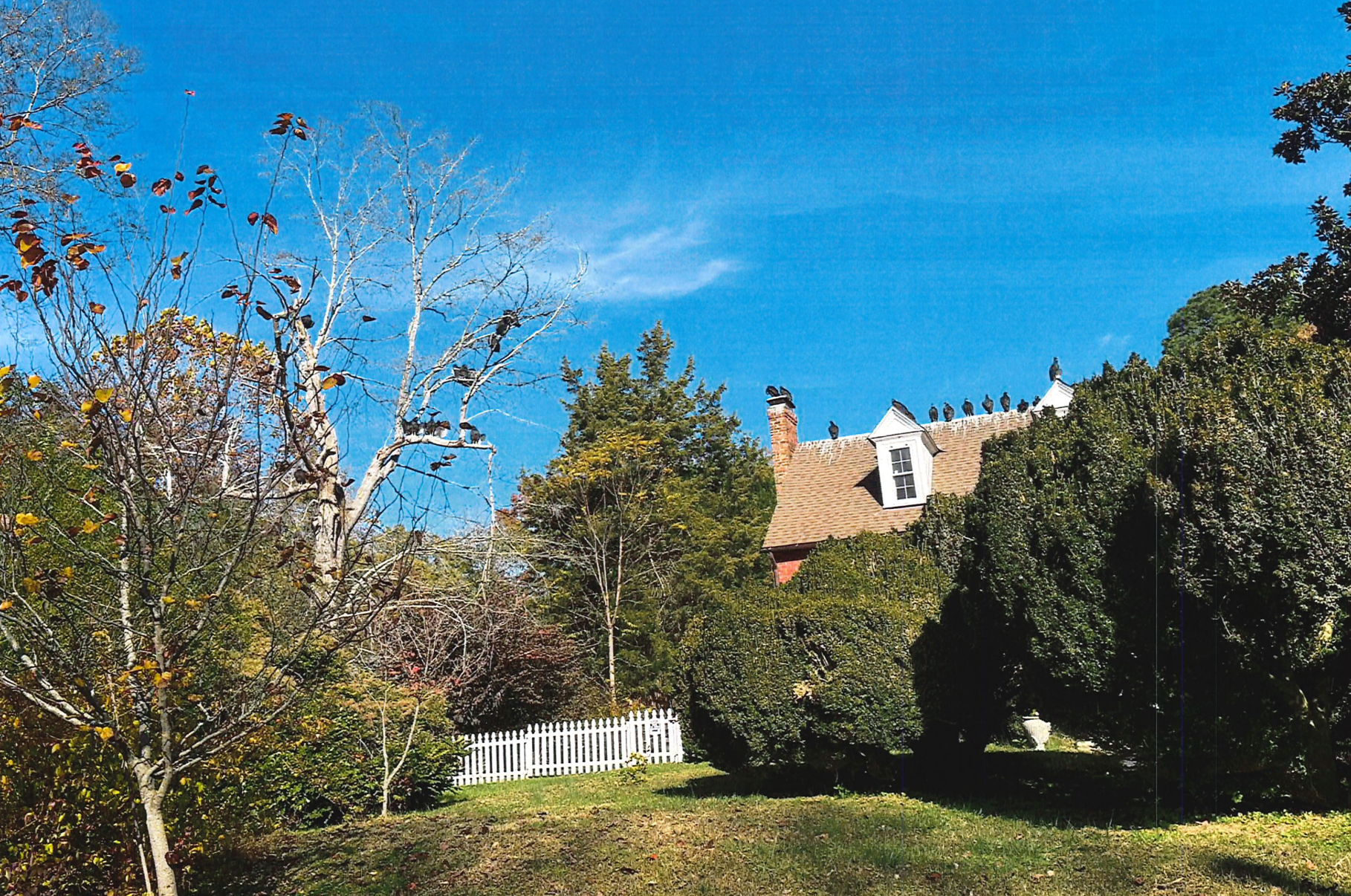
Once the vultures have finished eating, they tend to roost on the Ostrands’ property and nearby areas. The town’s petition states that the repeated actions of feeding the vultures and attracting them to the property pose a danger to the health, safety, and welfare of residents.
In response, the Ostrands filed a motion to dismiss the town’s case, arguing that photographs of vultures circling or roosting do not constitute “feeding.” They also pointed out that they occasionally provided water and scraps for the birds, which are federally protected species. The couple emphasized that vultures play an important role in controlling disease and pathogens.
While several neighbors have spoken publicly about the issue, the couple living directly next door has reportedly suffered the most. Michael Beanland and his wife have lived next to the Ostrands since 2020 and submitted numerous photos to the court showing vultures in the area. After failed negotiations, the Beanlands reported the Ostrands to the Hillsborough Board of Commissioners. The town then issued at least one cease-and-desist order before filing its formal petition against the couple 15 months later.
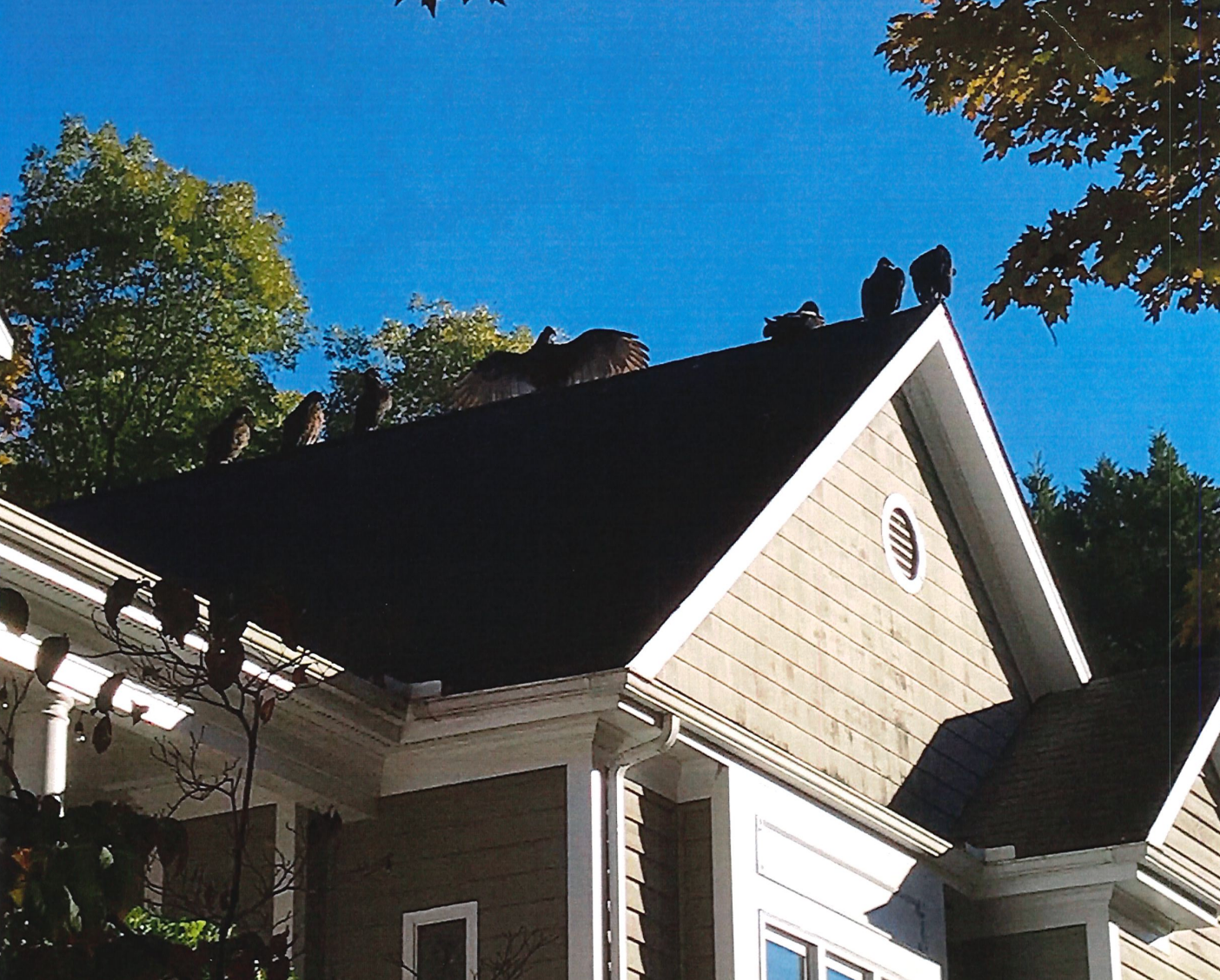
In their motion to dismiss, the Ostrands claim they were responsive to the Beanlands’ concerns and that there has been a significant reduction in the number of birds, with the exception of normal flight activities, for over a year. They deny the allegations of contaminated sidewalks and damaged tree branches, asserting that recent observations show no roof damage or marks on nearby houses.
The motion also accuses local officials of singling out the Ostrands, pointing out that no one else in the area has been cited for feeding other animals like deer or squirrels.
“I don’t know what I’m supposed to do,” Linda Ostrand told ABC11. “Tell the vultures that this is a no-feed zone? I just don’t know.”
Vultures primarily eat carrion, or rotting flesh, and can projectile vomit up to 10 feet as a defense mechanism. The substance is known to kill bacteria on their legs but can damage metal, wood, and electrical lines. Vulture droppings can carry diseases such as histoplasmosis, salmonella, and encephalitis, and the birds themselves emit a strong odor.
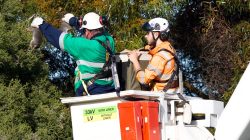
In 2020, a similar situation occurred in Texas when approximately 300 vultures descended on a U.S. Customs and Border Protection communications tower, coating it in a mixture of droppings and urine. This made repairs impossible until the vultures were removed.
Under the Migratory Bird Treaty Act of 1918, it is illegal to kill vultures, with violators facing fines of up to $200,000 and a year in federal prison. In Hillsborough, the town is seeking a court order to declare the Ostrands in violation of a local code prohibiting the feeding of wildlife. The request includes an order to stop the feeding and a permanent injunction against placing food scraps or other substances on their property for vultures or other wildlife.