Formula 1 is currently navigating two distinct sets of discussions regarding engine regulations, both crucial for the sport’s future. The first involves finding a short and medium-term solution to the challenges posed by the new engines introduced this year. This issue requires resolution within the next few weeks if changes are to be implemented in time for next year. These discussions are already well underway.
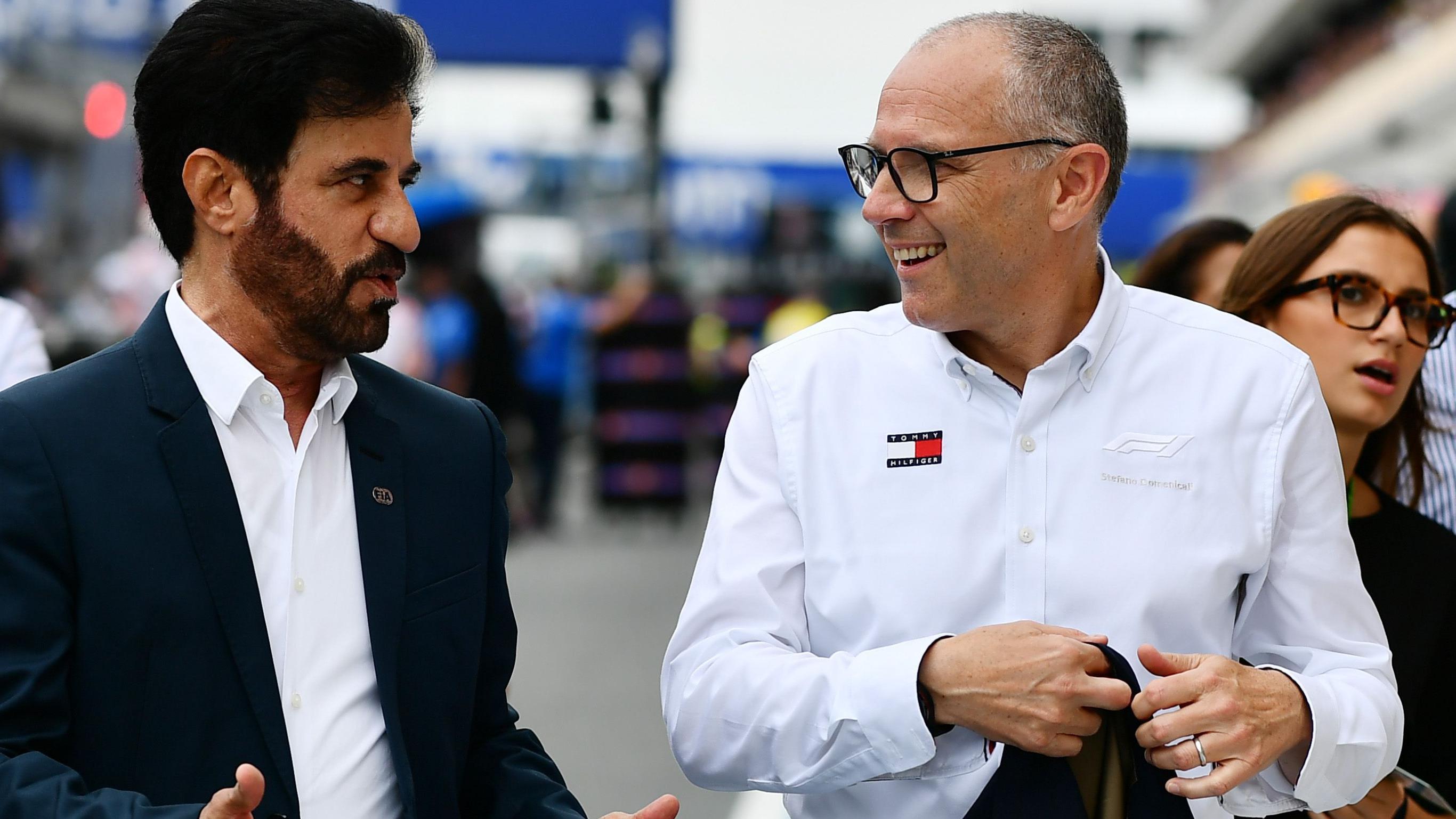
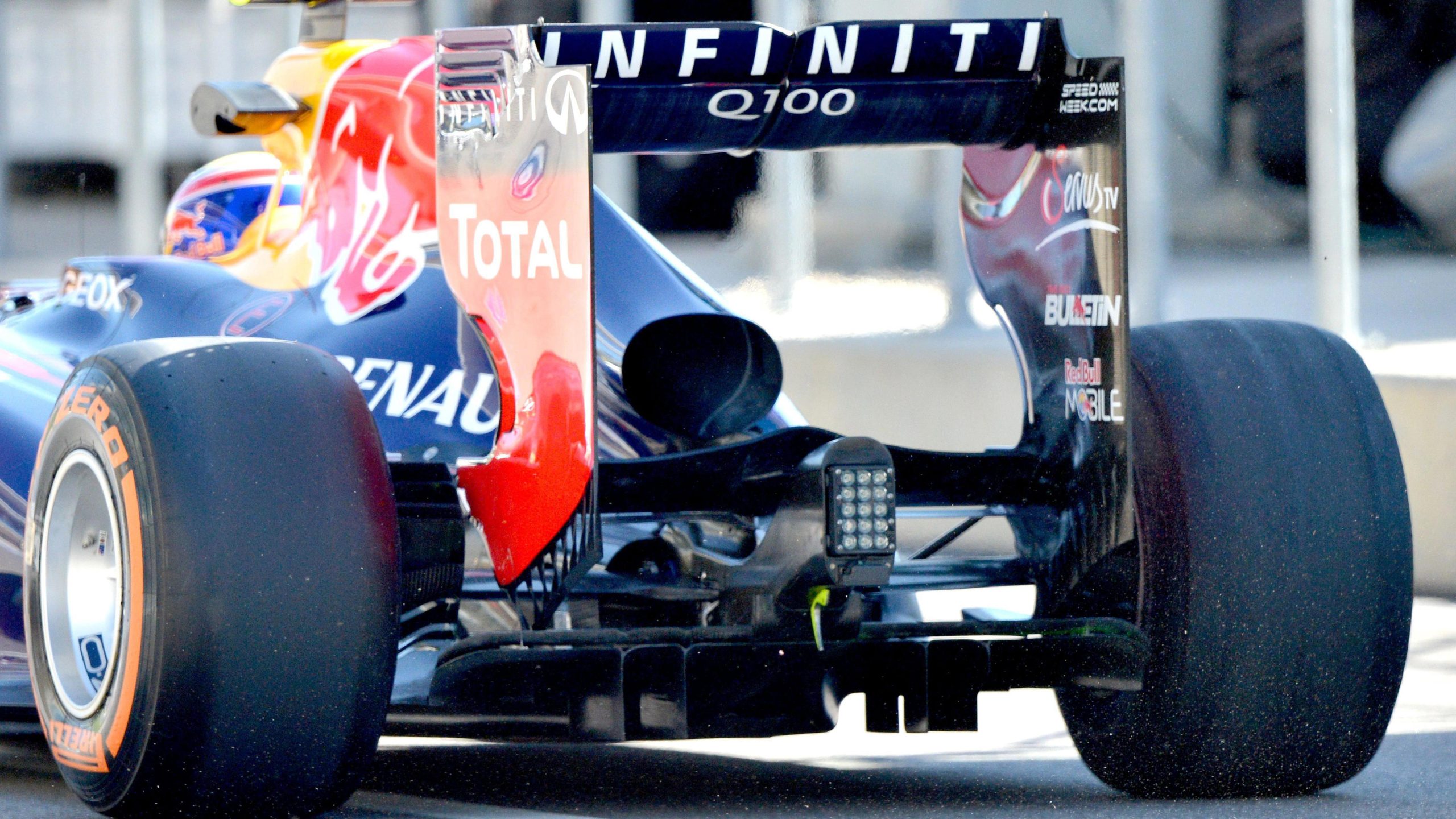
The second set of discussions focuses on the long-term vision for F1 engines when the regulations change again in four or five years. Mohammed Ben Sulayem, president of the FIA, has proposed a return to naturally aspirated V8 engines with a minimal hybrid system, reminiscent of the rules in place in 2013. However, this idea raises questions about why the sport would seemingly take a step back from modern road-car technology, especially given the slower-than-expected transition to electrification.
The Big Picture
There is a general consensus across Formula 1 that the sport has faced challenges with the new engine regulations, even if no one is openly admitting it. While there are positive aspects to the current style of racing, such as increased overtaking and improved television viewing figures, the impact of excessive energy management on the driving experience—particularly in qualifying—has been widely acknowledged as needing improvement.
Philosophically, the role of an F1 driver has changed in ways that many within the sport do not view positively. The current 50-50 energy split between internal combustion and electrical power does not function effectively without major compromises.
Looking ahead, the next set of engine regulations is not due until 2031. However, the Concorde Agreement, which governs the relationship between teams, the commercial rights holder, and the FIA, expires at the end of 2030. This gives Ben Sulayem the potential to impose his preferred engine rules in 2031, though he is reportedly seeking consultation to avoid alienating manufacturers.
Stakeholder Perspectives
Ben Sulayem is pushing for a V8 engine, citing sustainability, cost, efficiency, weight, and fan appeal as key benefits. He argues that a smaller, simpler engine could reduce weight and allow for slightly narrower and lighter chassis designs. However, the weight argument must consider that modern cars have become heavier due to enhanced safety systems like the halo head-protection structure.
Another point of contention is the sound of the engines. Ben Sulayem believes that the return of the louder V8s would please fans, but this argument has two sides. While some fans prefer the traditional noise of naturally aspirated engines, others have grown up with the quieter hybrid engines. There is no conclusive data on audience preferences, making this a guessing game for F1.
What Do Key People Think?
Manufacturers appear open to discussing changes, including the possibility of a V8 engine. Mercedes, for example, has expressed openness to the idea, with Toto Wolff stating they “loved V8s.” However, there is no agreement on the exact engine architecture. Honda, for instance, supports healthy discussions while ensuring the changes benefit fans.
Ben Sulayem has suggested an engine with a capacity between 2.6 and three litres, with 10% of its power coming from the electrical elements. Some insiders believe he may prefer even less electrification, but knows that won’t be feasible.
F1 boss Stefano Domenicali is also open to a V8 but highlights the benefits of the current “yo-yo racing” style created by electrification. Meanwhile, George Russell noted that while V8s might represent purer racing, the actual racing was often dull.
What About Next Year?
Drivers have raised concerns about the impact of the new rules on qualifying. The need for extensive energy management has limited drivers’ ability to push to their limits, turning challenging corners into “charging stations.” Some changes were made for the Miami race to improve energy recovery, but further adjustments are needed.
Solutions being considered include increasing the fuel-flow limit, modifying engines, or adjusting race lengths. Other options involve improving energy harvesting, reducing electrical deployment, or increasing battery size.
Conclusion
The future of Formula 1 engines remains uncertain, with stakeholders weighing the benefits of returning to V8s against the need for sustainability, cost control, and fan appeal. As discussions continue, the outcome will shape the sport’s direction for years to come.