Hantavirus Outbreak on Cruise Ship Raises Concerns
An outbreak of hantavirus has occurred aboard the MV Hondius cruise ship, resulting in the deaths of three passengers and causing illness in at least four others. The situation has drawn significant attention from health experts, who are concerned about the implications of this rare strain of the virus.

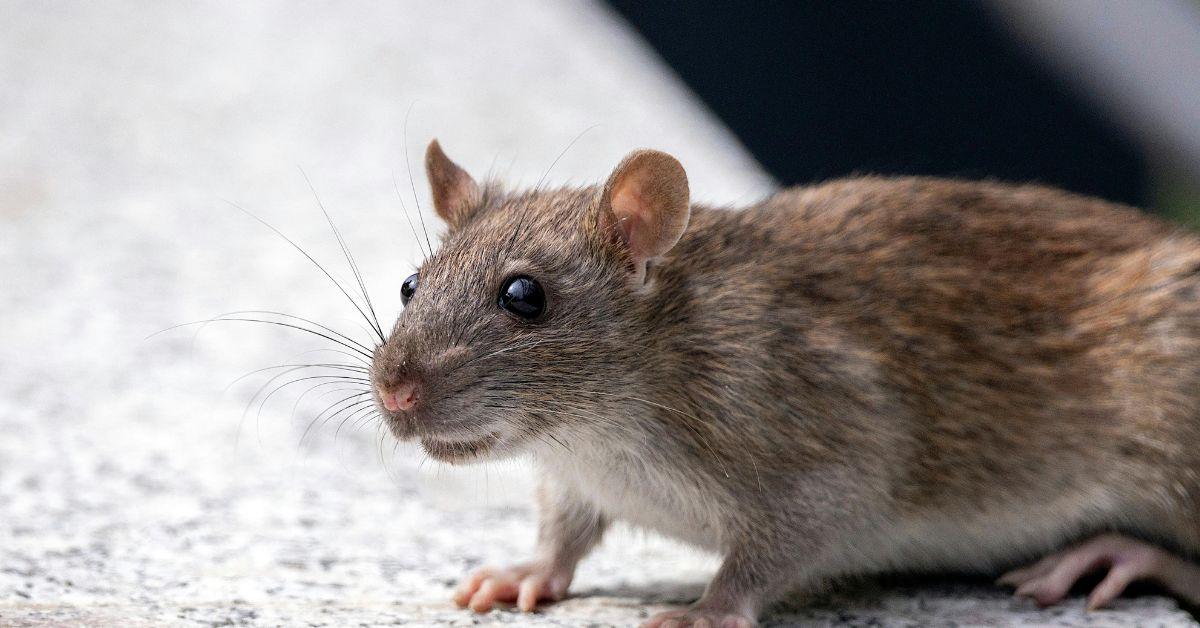
The World Health Organization has reported that no rodents have been found on the cruise liner, where people typically contract the virus through contact with the feces, urine, or saliva of infected rodents. This raises questions about how the virus was introduced to the ship.
“The situation is particularly concerning given that it appears that this is likely the Andean strain of hantavirus,” stated Donna A. Patterson, a professor at Delaware State University.

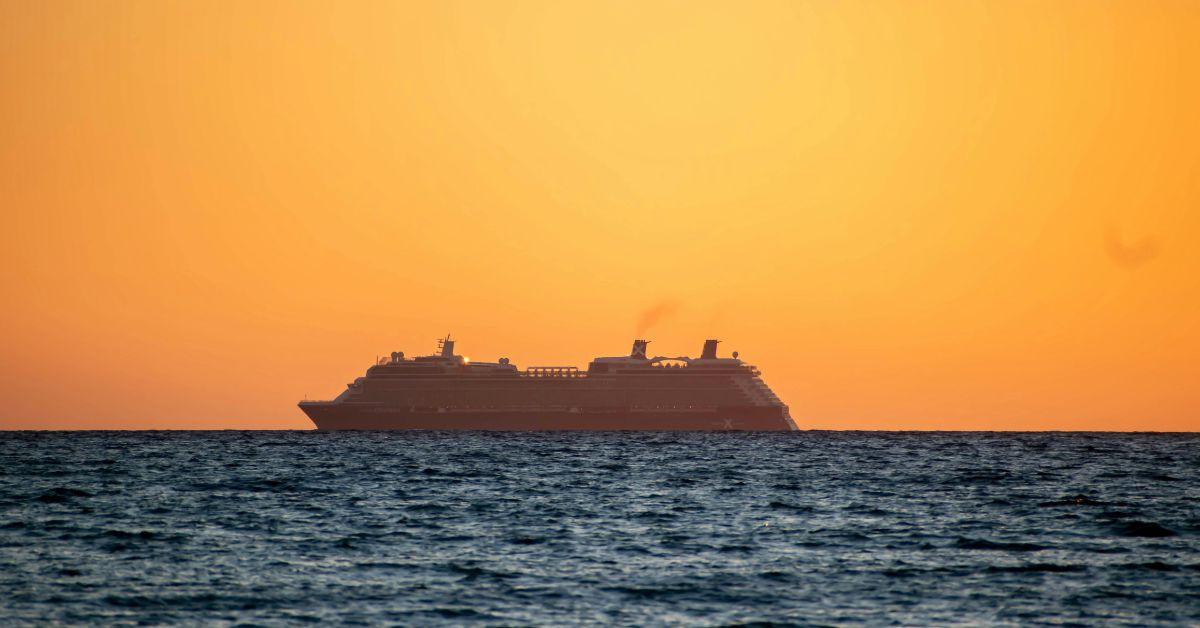
The cruise ship departed from Argentina on March 20, a region known for the Andean strain. It has been stranded off the coast of West Africa since Monday, May 4. The mortality rate for this strain can reach up to 40 percent, which has raised concerns about the effectiveness of quarantine measures in the confined space of the 353-foot-long ship.
Experts emphasize that understanding the source of the infections is crucial. “If passengers were exposed during shore excursions, it’s possible multiple individuals were infected at the same time,” explained Dr. Raymond Alvarez, an immunologist and virologist.
He added that if initial infections occurred onboard, the risk of further transmission increases, necessitating more aggressive containment measures.
The average quarantine period for hantavirus is three to four weeks, although it can extend up to five weeks for monitoring purposes.
“The virus has a long incubation period,” said Jill Roberts, a molecular epidemiology expert at the University of South Florida College of Public Health.
While quarantine is essential for preventing further spread, unique challenges arise in a cruise ship environment. Patterson noted that “given the design of cruise ships, including close quarters and opportunities for re-circulated air, this could lead to more passengers potentially becoming infected.”
Experts agree that isolating passengers may not significantly prevent the spread of illness. Dr. Carrie Horn, chief medical officer at National Jewish Health, mentioned that understanding how and where patients contracted the virus is vital for determining the necessity of prolonged quarantines.

The passengers disembarked on May 10. However, local contamination risks require careful execution of disembarkation protocols. Patterson warns that to protect local populations, there needs to be a designated area for isolation and quarantine.
Despite the uncertainty surrounding the outbreak, physician Zaid Fadul reassures the public that there is no need for panic. “They could have picked it up anywhere — I don’t think it came from the ship,” he stated.
Giulia Gallo, a virus researcher, supports this view, asserting that the outbreak likely resulted from contact with infected rodents in South America.
Passengers are encouraged to maintain good hygiene practices to minimize infection risks. “The best thing they can do to stay safe is to minimize the risk of other infections,” emphasized Dr. Horn.