The Rise of Unconventional Advice on Masculinity
The internet is filled with individuals offering advice on life, health, and fitness. From professional athletes to self-proclaimed trainers, there’s no shortage of voices claiming to have the ultimate solution for success. However, finding trustworthy information can be a daunting task, as many promote their methods while dismissing others.
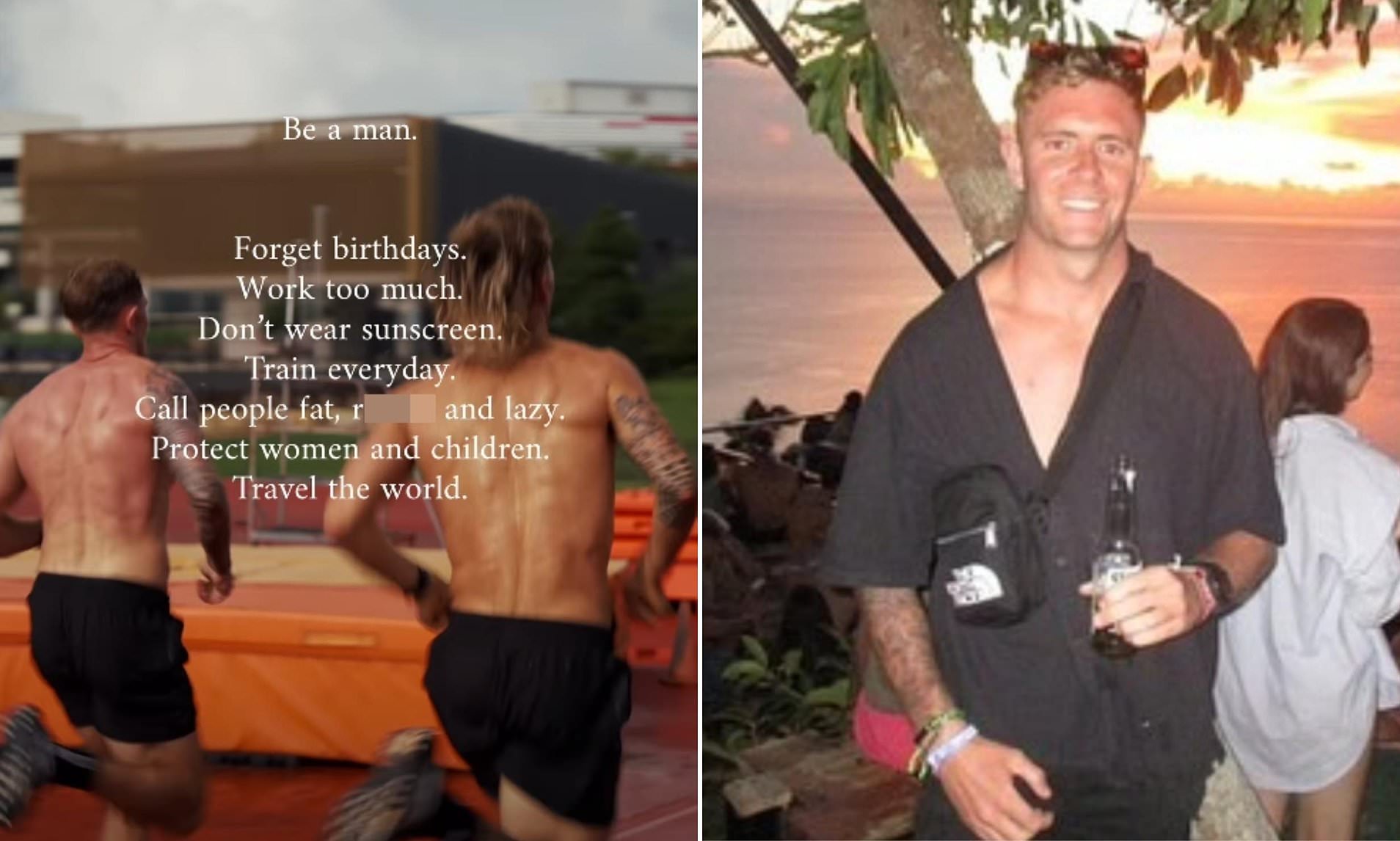
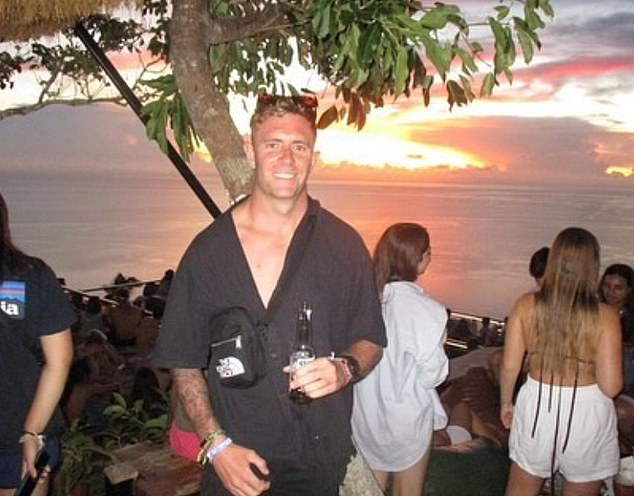
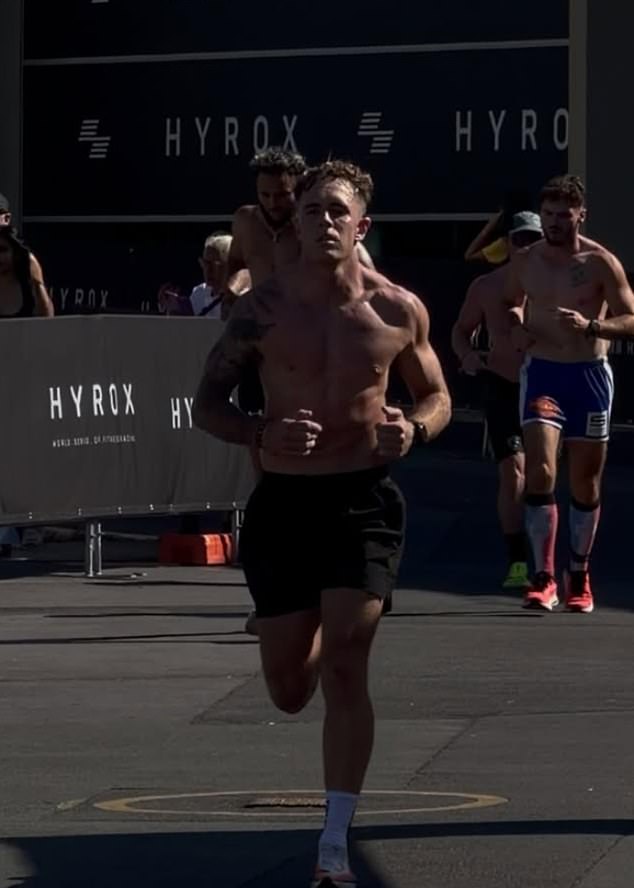
In this landscape, one Australian Hyrox athlete has sparked controversy with his unconventional take on what it means to be a man. Cam Butler, known for his impressive fitness achievements, recently took to Instagram to share his views on masculinity. His post, which included a video of himself and his Hyrox partner training, was captioned “Be a man” and featured a list of suggestions that many found problematic.
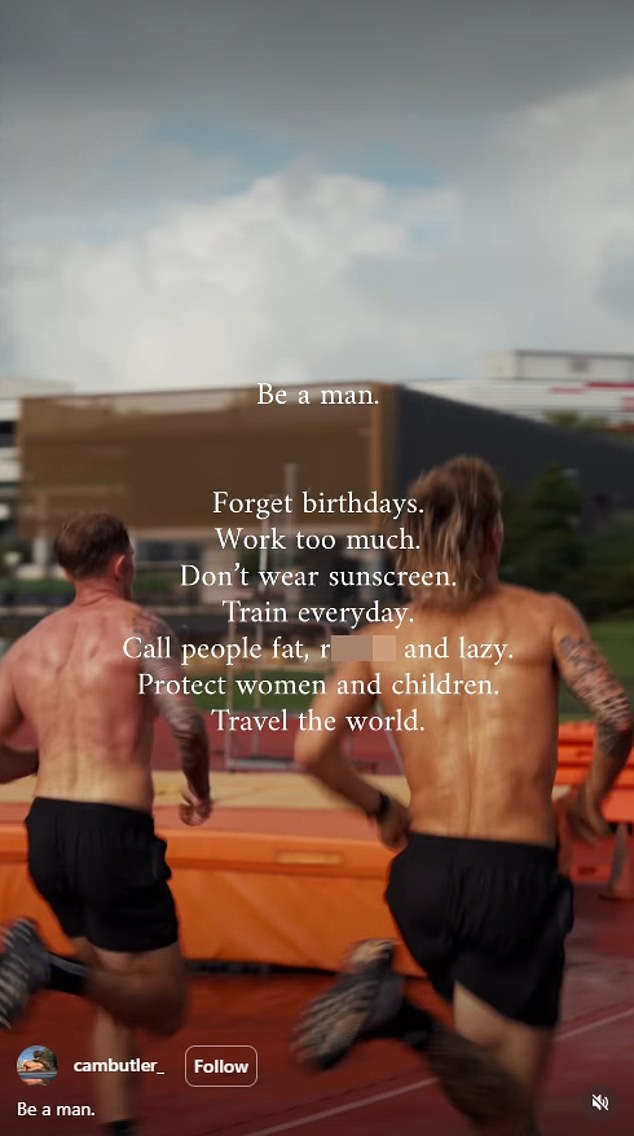
Butler’s list included ideas such as “Forget birthdays,” “Work too much,” “Don’t wear sunscreen,” “Train everyday,” “Call people fat, r*d and lazy,” “Protect women and children,” and “Travel the world.” While some might find elements of this list relatable, many in the comment section pushed back against his approach.
One commenter questioned the logic behind protecting women and children if someone he trains cheats on them. This highlights the complexity of Butler’s message, which many argue lacks depth and consideration for real-world implications.
Another point of contention was his suggestion that men should not wear sunscreen. Several users criticized this advice, with one urging Meta, the parent company of Instagram, to remove what they described as “problematic misinformation.” Another user noted that not wearing sunscreen could lead to sunburn and long-term skin damage, emphasizing that this is not a sign of strength or masculinity.
The dangers of prolonged sun exposure are well-documented. According to Cancer Council Australia, two in three Australians will be diagnosed with skin cancer in their lifetime, and 2,000 Aussies die from the disease each year. The organization strongly advocates for the use of sunscreen as an essential part of sun safety.
Their guidelines state that whenever UV levels are 3 or above, it is recommended to use a sunscreen with SPF50 or SPF50+, broad-spectrum, and water-resistant for maximum protection. This advice aligns with the “Slip, Slop, Slap, Seek, Slide” campaign, which promotes five key strategies to reduce the risk of skin cancer.
Key Recommendations for Sun Protection
- Slip on a shirt to cover your skin.
- Slop on sunscreen with at least SPF30.
- Slap on a hat to protect your face, neck, and ears.
- Seek shade, especially between 10 am and 4 pm.
- Slide on sunglasses to protect your eyes.
These steps are crucial for anyone looking to minimize their risk of skin cancer. As the evidence shows, sunscreen is not just a cosmetic product but a vital tool in maintaining health and well-being.
Butler’s post serves as a reminder of the importance of critical thinking when evaluating advice online. While fitness and health are important topics, the way they are presented can have significant impacts on public perception and behavior. It is essential to seek out credible sources and consider the broader implications of any advice offered.
In conclusion, while Butler’s approach to masculinity may resonate with some, it is clear that his suggestions lack the nuance and responsibility required for meaningful guidance. As the conversation around health and fitness continues to evolve, it is crucial to prioritize informed, respectful, and evidence-based practices.