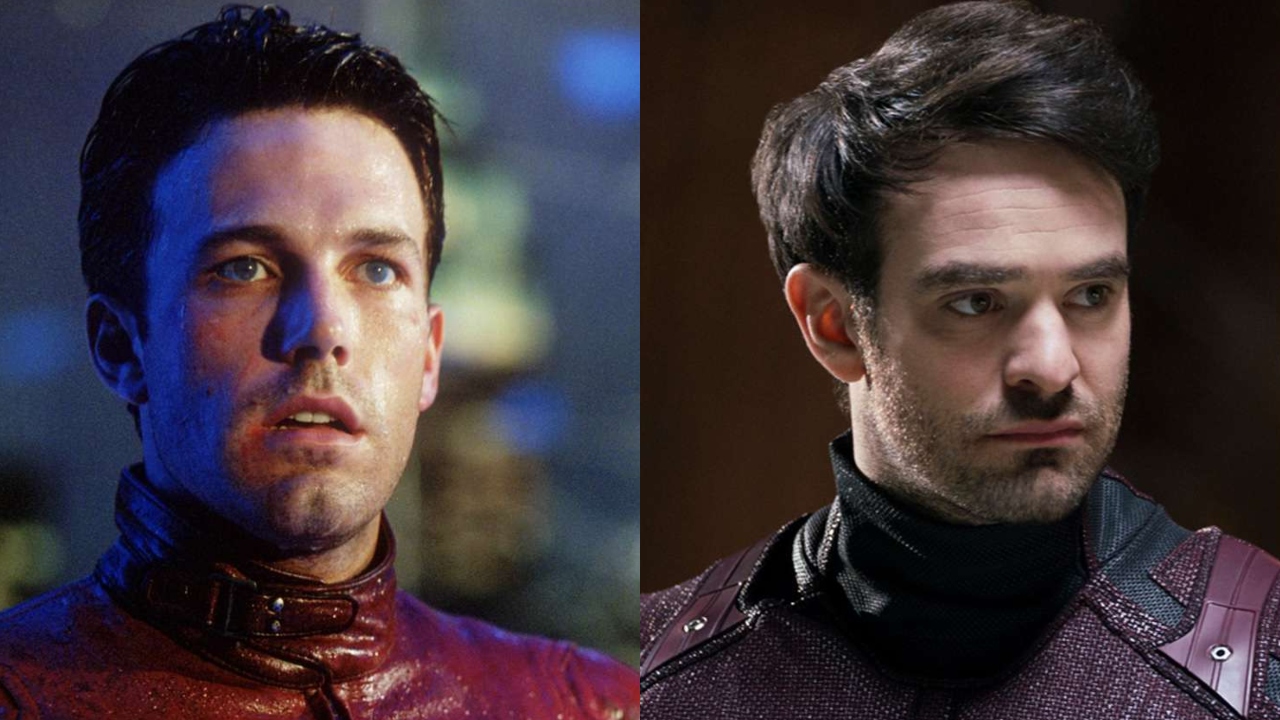
The Man without Fear
Charlie Cox, known for his portrayal of Daredevil, isn’t typically one to throw shade. However, when he does, it’s a mix of honesty and humor. His recent comments on the 2003 Daredevil movie and what Ben Affleck did with the character don’t come across as a takedown. Instead, they are a straightforward evaluation of what worked, what didn’t, and why his version of Daredevil was a more effective experience for viewers.
Why Charlie Cox Thinks His Daredevil Works Better
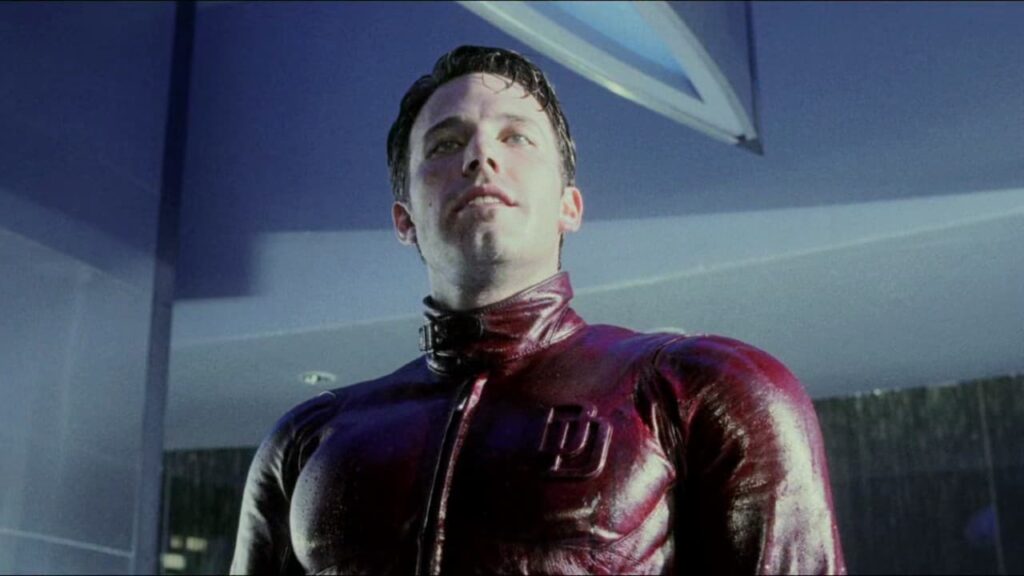
Cox’s critique boils down to one key point: timing and restraint matter. According to him, the film from the early 2000s was too much, too soon. At that time, CGI was still in its infancy, and the film relied heavily on it. As a result, the effects look outdated and sometimes grating.
“CGI was invented, and the next day they were like, ‘Let’s make a movie with it.’ And so they’re a little premature with the CGI, and also they tried to get the entire Daredevil anthology into a two-hour movie,” he explained. The larger issue, though, was overcrowding. The film tried to cram in almost all of Daredevil’s major characters in a two-hour runtime, leaving little time for emotional depth or character development. It turned into a highlight reel rather than a story.
“They had everyone in that movie, they had Kingpin, they had Bullseye, they had Elektra, they had Karen Page, they had Foggy.”
Cox’s version took its time, and that’s why it works. His ‘Daredevil’ was slow and ramped up tension so that Matt Murdock’s internal conflict could breathe and develop. And yes, Cox didn’t hold back on one detail fans have joked about for years: the suit.
“The suit sucks,” he said bluntly.
Cox Gave Ben Affleck’s Hero The Respect Where It’s Due
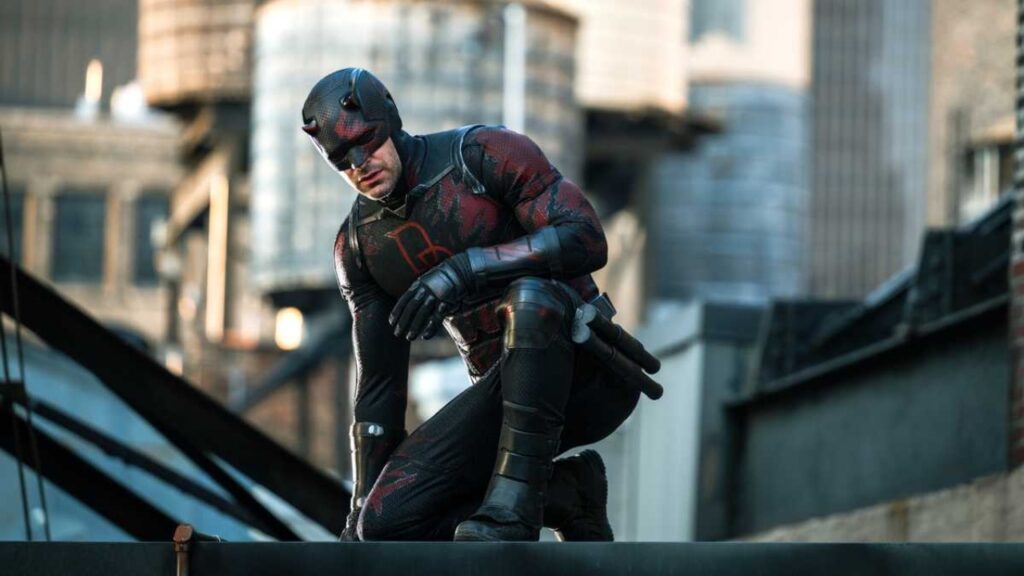
Cox did not completely rule out Affleck, but rather the opposite. He highlighted Affleck’s Matt Murdock as a positive aspect, saying that the performance under the mask was good.
“I think the only thing Ben Affleck does really well is Matt Murdock, I like his Matt Murdock.”
This balance in Cox’s perspective is a testament to his character approach. He has an understanding that Daredevil is not about the mask or the action, but the man. The helplessness, the moral dilemma, the tug-of-war between justice and revenge. It was in that area that his version resonated with viewers.
Key Differences and Perspectives
There can be likable things even in a bad film. Cox’s comments reflect a deep understanding of the character and the role. He acknowledges that while the 2003 film may have had its flaws, it also had elements worth appreciating.
Ultimately, Cox’s comments are not about being arrogant, but rather rooted in experience. He took over a role that had already been attempted, and with patience and a more character-driven approach, helped redefine it for a new generation. If there’s one thing to take away from this, it’s that sometimes, less is more.
Understanding the Character
The essence of Daredevil lies in the internal struggle of Matt Murdock. Cox’s portrayal emphasizes this, focusing on the emotional and moral complexities of the character. This approach allows the audience to connect with the character on a deeper level, beyond the surface-level action and special effects.
Fans have long appreciated the nuances of the character, and Cox’s performance brings those aspects to the forefront. By taking the time to develop the character’s internal conflicts, the series creates a more engaging and immersive experience for viewers.
Conclusion
In summary, Charlie Cox’s insights into the 2003 Daredevil film and his own portrayal of the character highlight the importance of timing, restraint, and character development. While the original film had its shortcomings, Cox’s approach offers a fresh perspective that resonates with audiences. His respect for the character and the role he plays in the story sets a new standard for future interpretations of Daredevil.